admin
admin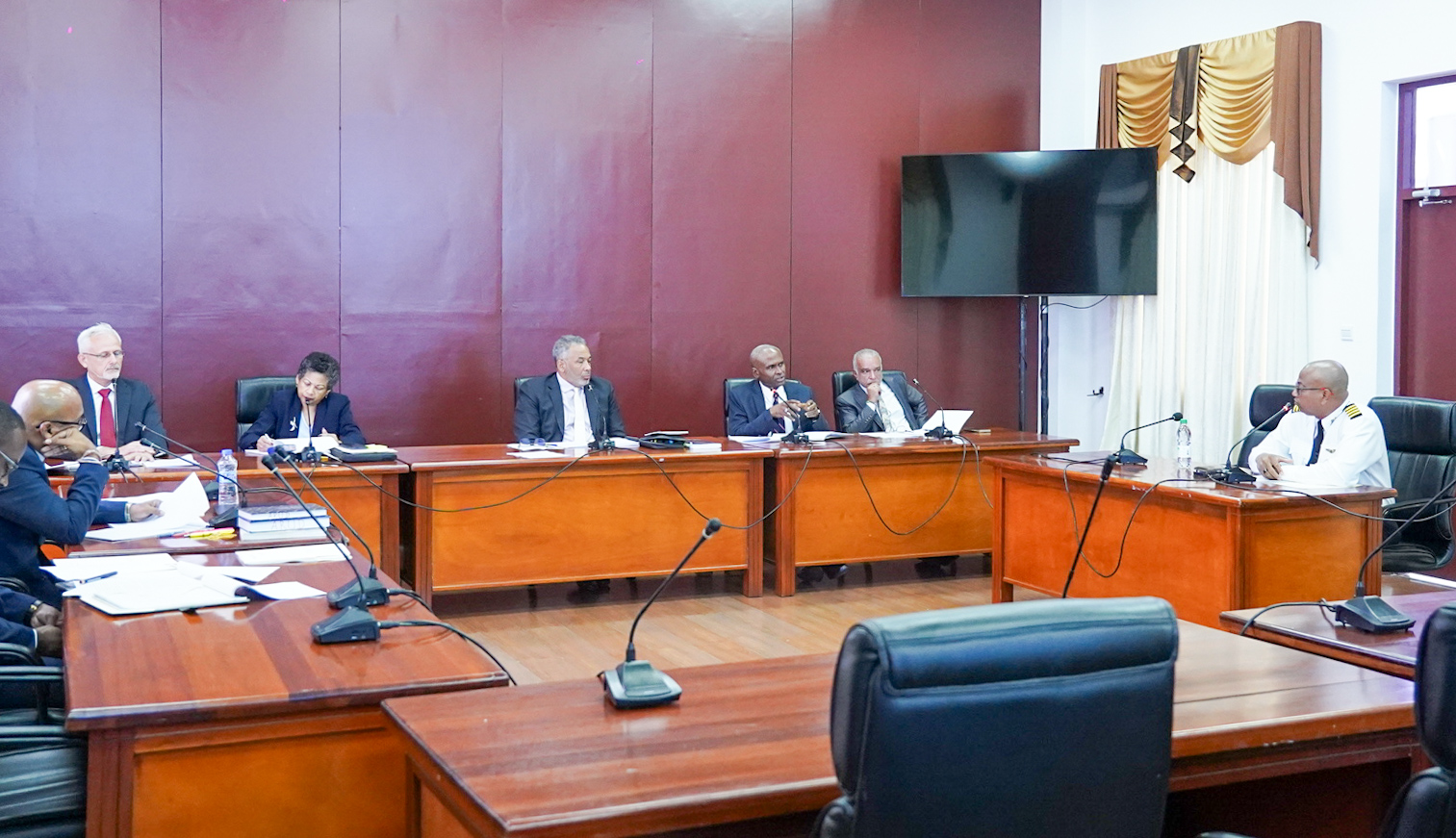
-by Kimberly Giddings
The Commission of Inquiry into the MV Barima tragedy heard today how military and civilian resources were mobilised in the early hours following the vessel’s sinking on July 18.
Five witnesses testified about the emergency response, including how an aircraft pinpointed the distress location, while the Coast Guard and Guyana Defence Force deployed personnel and equipment to search for survivors.
The testimonies provided new details of the extensive search-and-rescue operation launched following the MV Barima tragedy.
Coast Guard Lieutenant Roslyn Haywood told the Commission that personnel began analysing distress coordinates shortly after receiving an alert at 11:10 p.m. on July 18.
He disclosed that six Coast Guard vessels and twelve civilian boats participated in the wider search operation, demonstrating the scale of the maritime mobilisation.
“At that time there were 6 coast guard vessels. When you arrived on seen there were 6 or 5? There was 5 plus us. For us communication with the coast guard vessel, we contacted them via radio, some cellphone signals were working here and there and for the fishing vessel we were using channel 16,” he said.
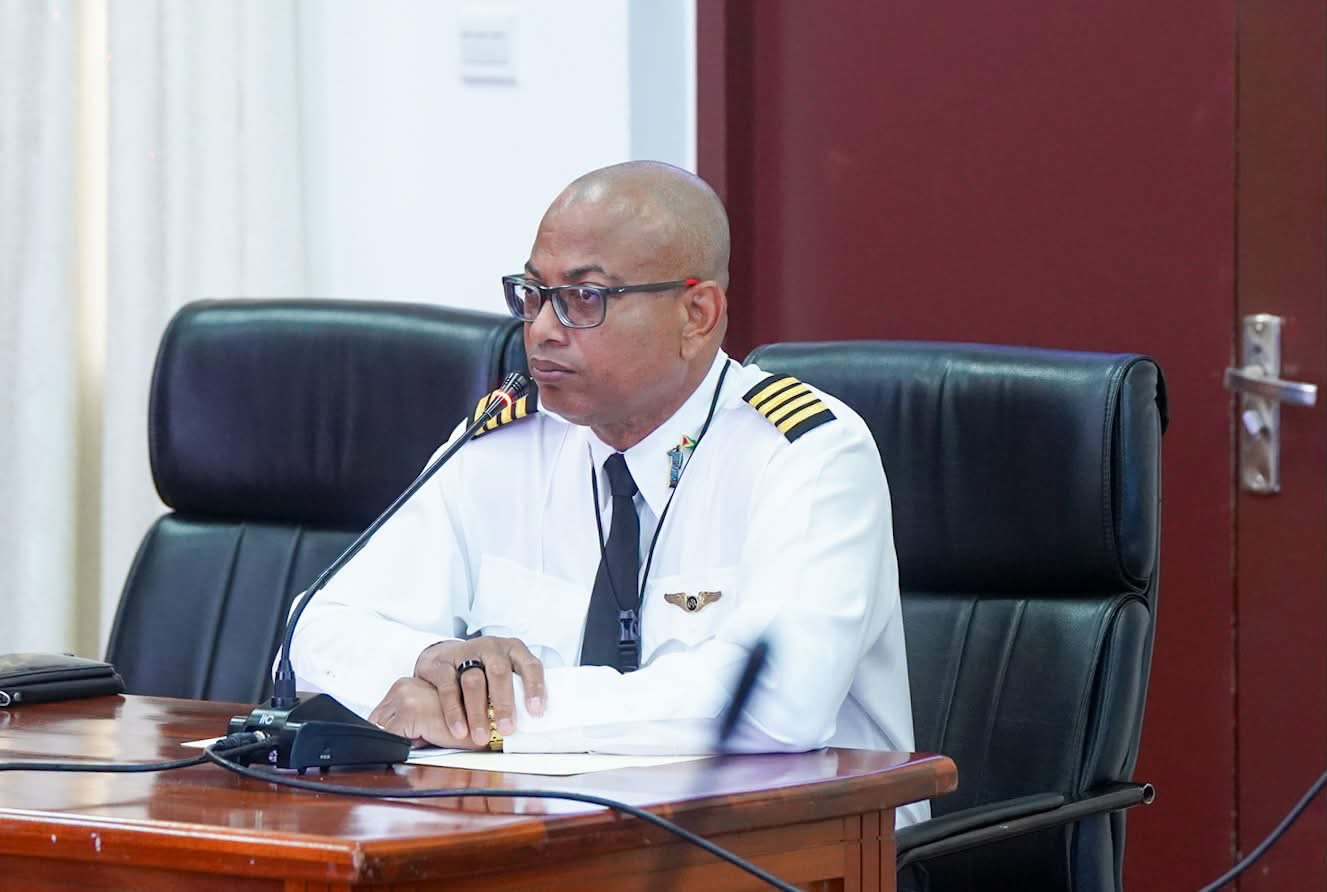
Meanwhile, Roraima Airways pilot Captain Learie Barclay detailed how he responded to an emergency call shortly after midnight, taking off from Ogle Airport at 1:36 a.m.
Following an emergency locator signal, Barclay spotted three bright distress flares at approximately 2:09 a.m.
He immediately transmitted the coordinates to air traffic control, with maritime authorities also notified.
Barclay subsequently received reports that survivors had been rescued and later briefed President Irfaan Ali on the operation.
“We saw something like someone flashing a light, but that didn’t go on for very long so we thought that maybe this could be it but we really weren’t sure so we then turned and flew outbound into the ocean in a direction we thought the tide would shift. Shortly after, Christopher chung shouted flare and at the same time we saw it we immediately circled and then a second flare and then a third flare,” he said.
The Guyana Defence Force also deployed aviation resources during the overnight response.
Lieutenant Colonel Anson Weekes testified that a Bell 407 helicopter departed Ogle around 1:45 a.m., carrying personnel and equipment to support the search.
Although nighttime restrictions prevented the single-engine helicopter from operating over open water, the crew continued searching along the coastline towards the Pomeroon River, using available infrared technology.
Weekes also outlined efforts to coordinate additional aircraft as the operation continued.
The COI also heard on Wednesday how Guyana Defence Force Coast Guard ranks braved rough seas to rescue survivors, with six additional vessels joining the operation throughout the night.
Petty Officer Deon Smith testified that his team rescued men, women and children, while Senior Petty Officer Lynden Phillips detailed subsequent recovery efforts, including the retrieval of six bodies on July 20. Phillips said operations continued until July 31, with local personnel and international diving teams supporting the coordinated search and recovery efforts. The testimonies highlighted the mobilisation of military and civilian resources, the identification of critical distress coordinates and the challenges confronting rescuers in darkness and poor visibility. The Commission continues to examine the circumstances surrounding the tragedy and the effectiveness of the emergency response and will meet again tomorrow Friday for more testimonies.