admin
admin
The Government has defended the consultation process behind the Sexual Offences (Amendment) Bill 2026, saying the legislation was shaped by more than a year of engagement with legal experts, government agencies, civil society groups and members of the public before being tabled in the National Assembly last week.
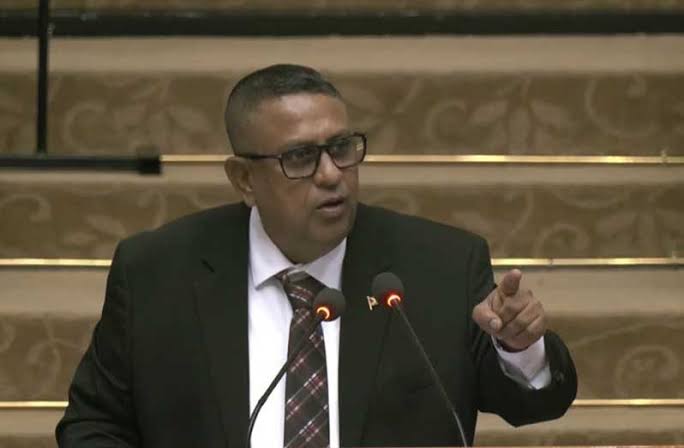
In a statement issued amid public debate over the proposed amendments, Minister of Parliamentary Affairs and Governance, Gail Teixeira, said claims that the bill was not properly consulted on were inaccurate and failed to reflect the extensive review process undertaken between 2024 and 2025.
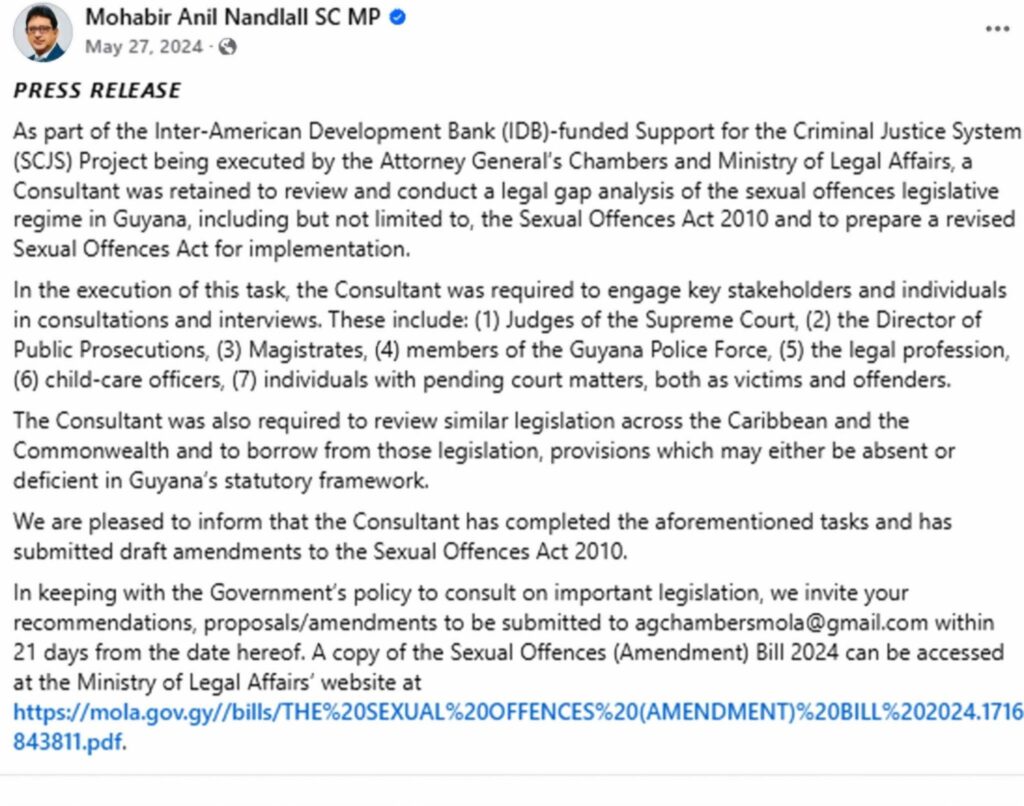
According to the minister, the review of the Sexual Offences Act formed part of the Support for the Criminal Justice System Programme, implemented by the Ministry of Legal Affairs with support from the Inter-American Development Bank. A consultant was engaged to examine the existing legislation, identify gaps and recommend reforms aimed at strengthening protections for victims and improving access to justice.
One of the major recommendations emerging from the review was the establishment of Guyana’s first National Sex Offender Database. Teixeira said consultations found broad support for the creation of the registry as a tool for monitoring and tracking convicted offenders.
“At the said consultation, some very important amendments were proposed. The establishment of the Sex Offenders Registry/Data Base was welcomed by all participants as a major step forward in monitoring and tracking convicted offenders,” she stated in the release.
The minister explained that discussions during consultations focused on whether the registry should be publicly accessible. Stakeholders ultimately recommended a closed system with provisions allowing applications for information on offenders rather than a fully open registry.
Teixeira noted that technical consultations included prosecutors, magistrates, members of the criminal bar and officials from the Director of Public Prosecutions’ Chambers. Additionally, the Ministries of Education and Human Services were also invited to review the proposed amendments.
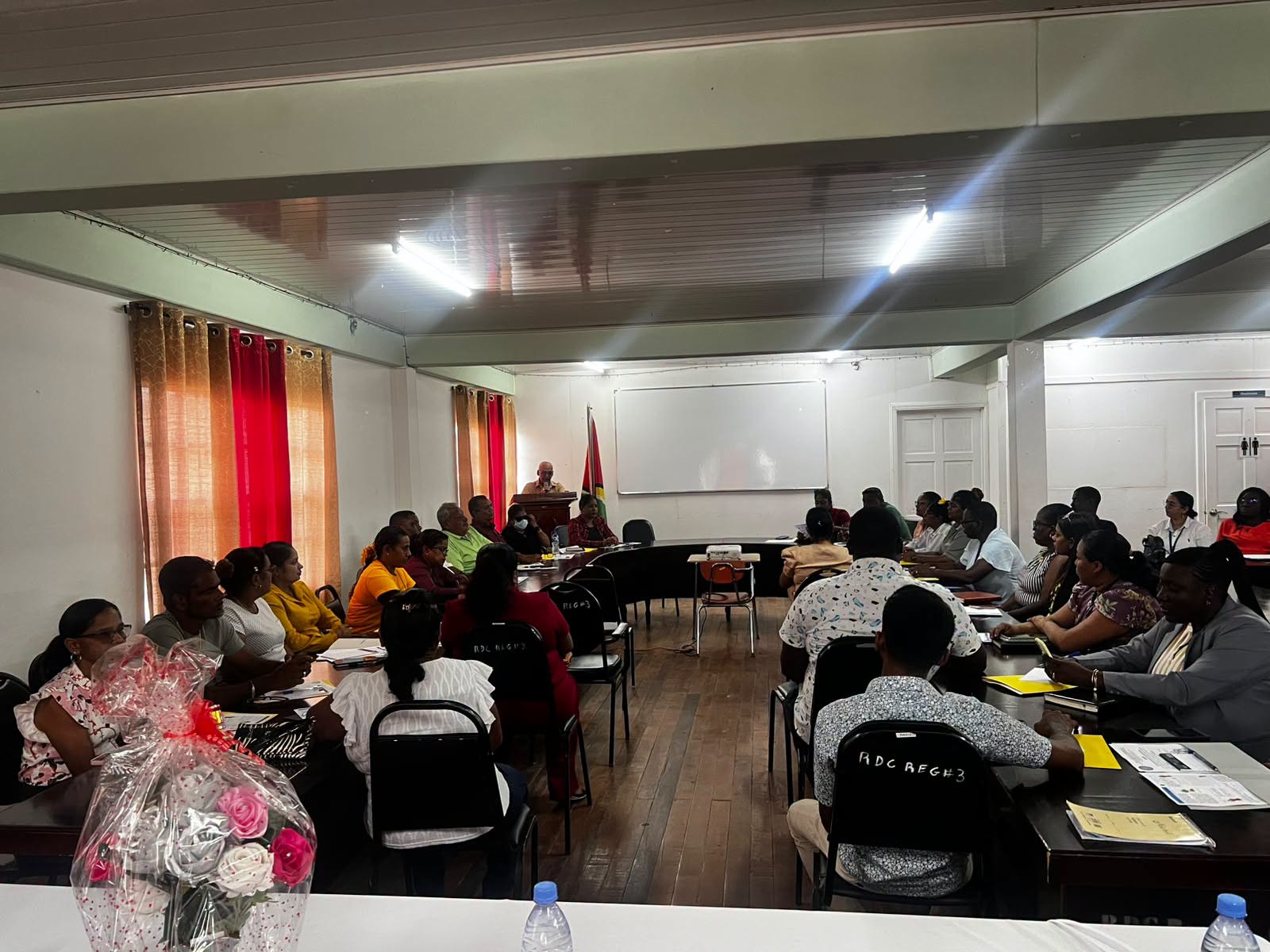
The consultation process was later expanded to include public participation. In July 2024, a National Stakeholders Forum brought together representatives from government agencies, regional administrations, faith-based organisations, indigenous groups, professional bodies, trade unions, non-governmental organisations and advocacy groups.
A total of 103 agencies and organisations were invited to participate, with 62 confirming attendance.
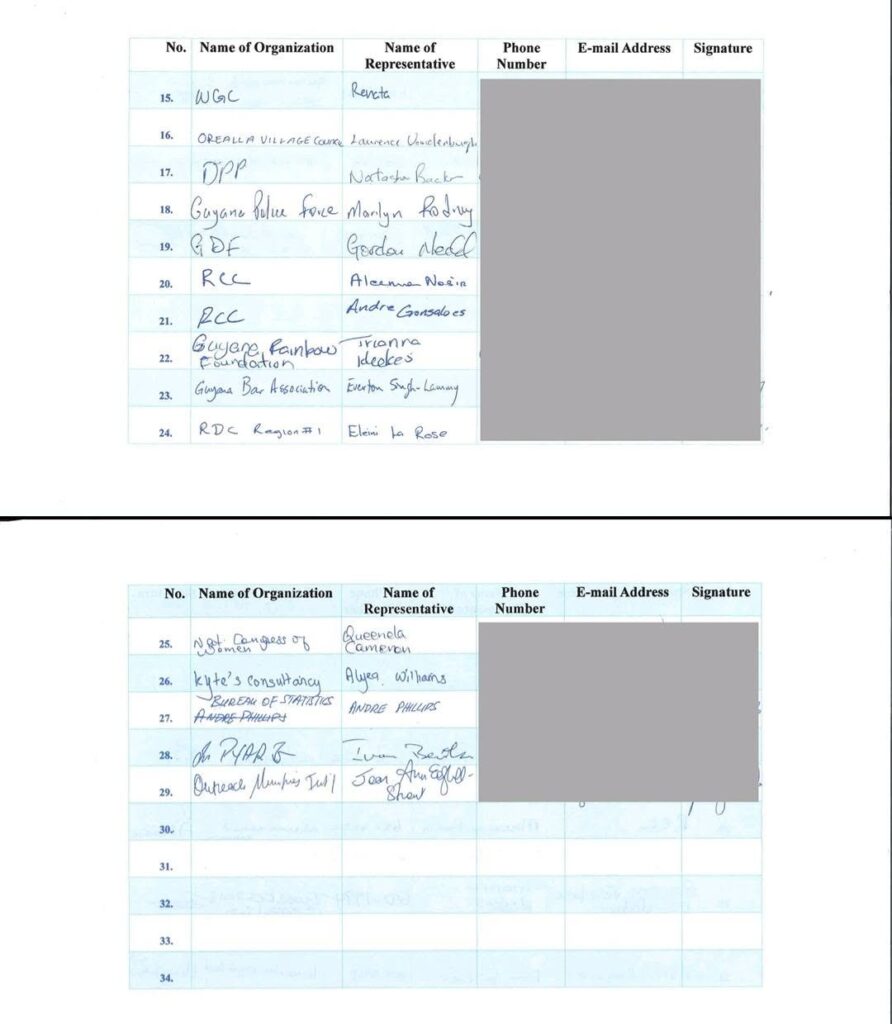
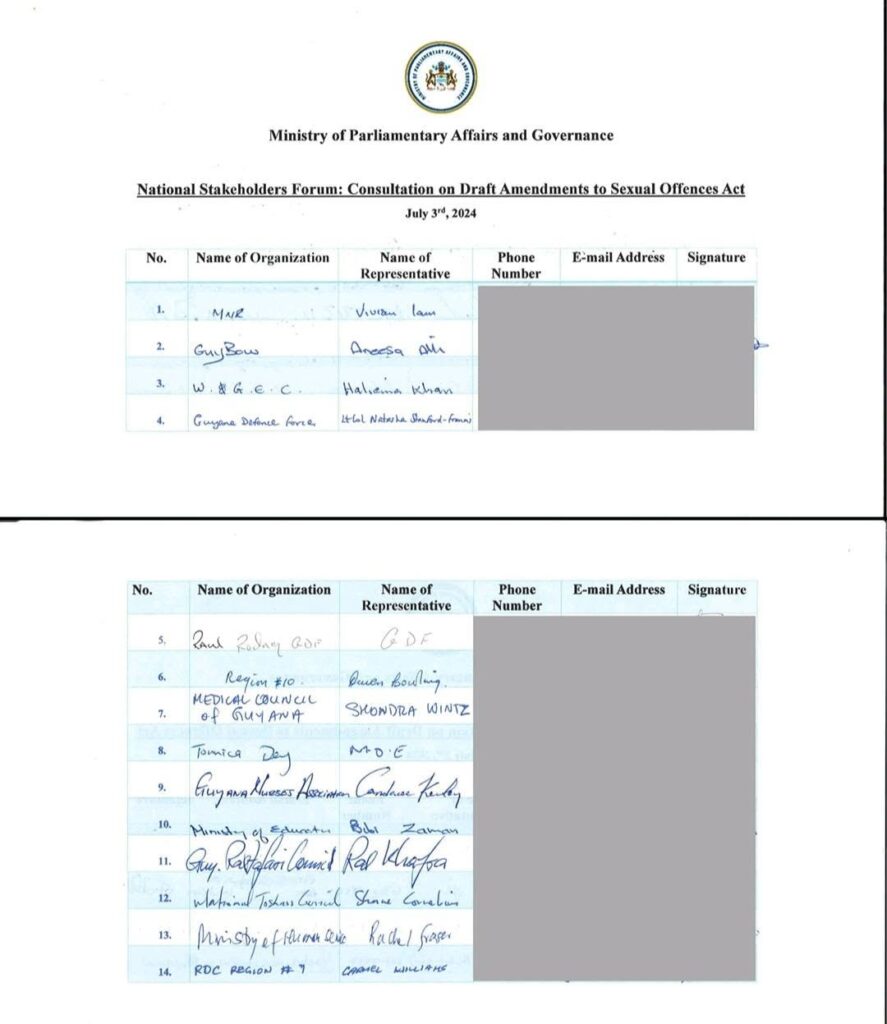
The minister also said the draft legislation was publicly advertised and remained open for comments for nearly a year. Several organisations and individuals submitted recommendations, while the parliamentary opposition was invited to provide feedback but did not respond.
“It would be grossly incorrect to state that this bill was not subjected to the rigour of consultation and participation of the widest possible views,” the release stated.
The proposed legislation seeks to strengthen victim protections, improve evidentiary procedures and increase accountability for sexual offenders. Among the measures included are expanded categories of persons considered to hold positions of trust, greater use of written and prerecorded evidence, mandatory reporting requirements for certain professionals and the establishment of a National Sex Offender Database.
The bill was placed on hold ahead of the 2025 General and Regional Elections after completing Cabinet review but has since been reintroduced and was tabled for its first reading in the National Assembly on June 5.