admin
admin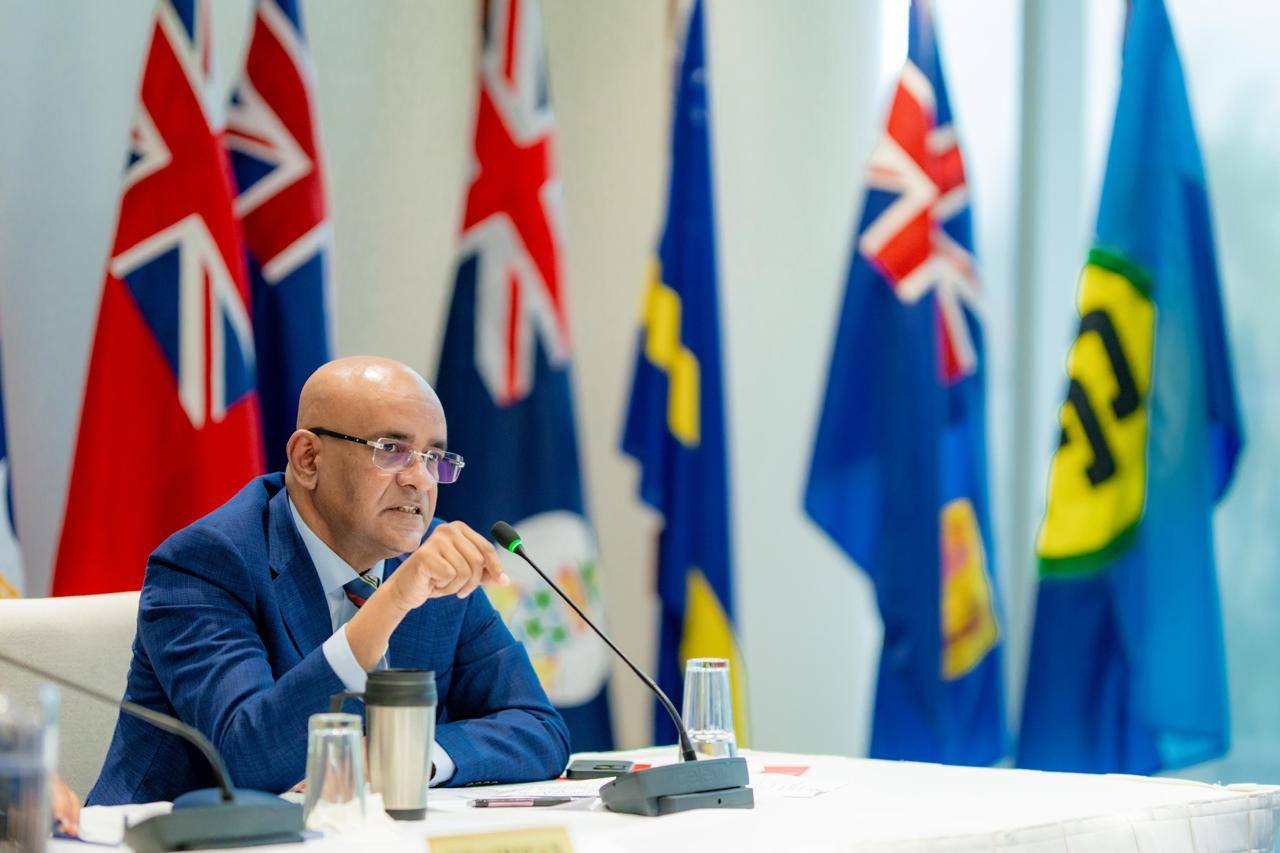
The government has signalled its readiness to provide targeted support to the rice industry as farmers grapple with falling market prices and sharply rising production costs driven by global challenges.
Addressing rice farmers during a recent engagement, Vice President Dr. Bharrat Jagdeo acknowledged that while Guyana may earn increased revenues due to higher global oil prices, those gains are outweighed by the immediate economic pressures facing key productive sectors.
“We have immediate problems,” Dr. Jagdeo said, pointing to declining rice prices on the international market and soaring input costs. Fertiliser prices, he noted, have risen by as much as 50 per cent globally, while fuel costs continue to climb amid geopolitical instability.
Jagdeo explained that conflicts abroad, including the war in Ukraine and tensions affecting the Strait of Hormuz, have disrupted global supply chains and pushed up the cost of crude oil and natural gas, both critical to agricultural production.
Despite suggestions that Guyana could benefit financially from higher oil prices, Dr. Jagdeo made it clear that the reality is more complex. “The country will earn a bit more. And it’s true for a period, but that will be for next year’s budget, not this year,” he said. “We’re getting a bigger hit than we’re earning more.”
He reminded farmers that the government had already taken significant measures to cushion the impact of rising fuel prices by removing taxes on imported fuel. According to Dr. Jagdeo, Guyana currently imports approximately US$800 million in diesel and gasoline annually, with tax relief amounting to roughly $80 billion that would otherwise have been collected.
The VP said the administration is examining further support mechanisms, including assistance with production costs and expanded investment in infrastructure to improve resilience in the rice sector. This includes new drying and storage facilities to give farmers greater bargaining power and reduce post-harvest losses.
He also highlighted major ongoing investments funded through Guyana’s forest carbon revenues, including drainage and irrigation works, farm-to-market roads and flood control infrastructure across Regions Five and Six. These projects are expected to open up some 100,000 additional acres for cultivation.
Dr. Jagdeo said the government’s approach extends beyond short-term relief and is focused on building long-term prosperity in rural communities through agricultural diversification, improved healthcare, expanded education access and job creation.
“So this is an ongoing thing,” he assured farmers. “Every single day, we work to make sure that our country is changing, wherever our people live.”