admin
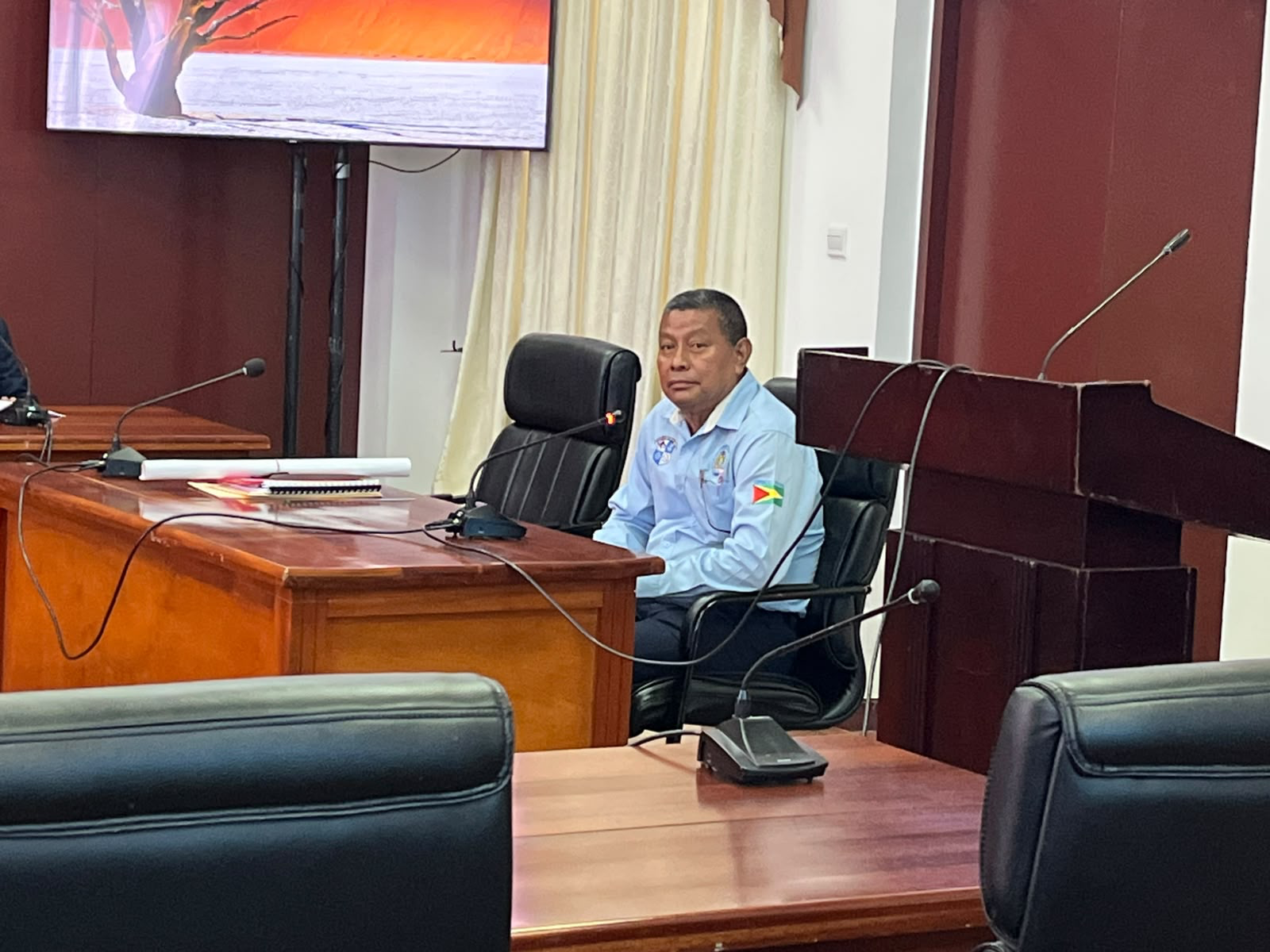
MARAD drew on Guyana’s maritime search-and-rescue arrangements to coordinate its response to the MV Barima tragedy, using a national plan backed by agreements with the Coast Guard, police and other partner agencies, the Presidential Commission of Inquiry heard on Thursday.
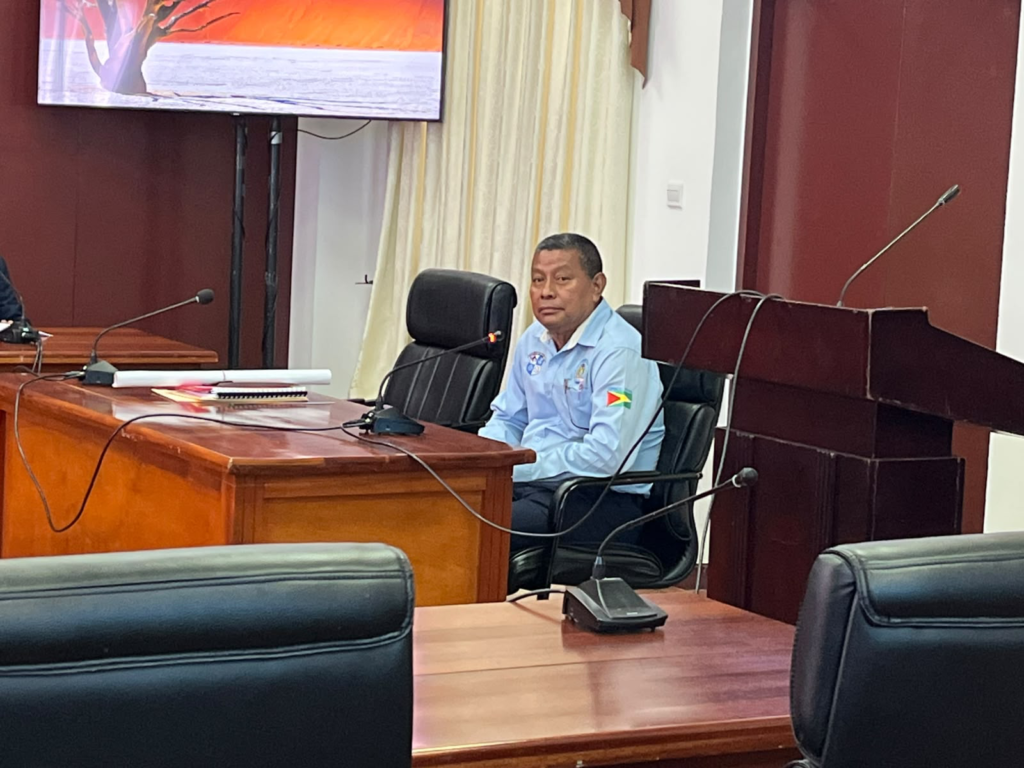
Captain John Flores, Coordinator of the Maritime Administration Department’s Emergency Operations Division, described the Guyana Maritime Search and Rescue Plan as “our main reference” for responding to maritime emergencies.
Flores told the Commission that the arrangements allowed vessels from other government agencies to join a rescue operation. When asked whether he used the plan during the Barima response, he said, “Yes, to an extent,” adding that it was always available to him.
Satellite distress alert received
Flores said he received a WhatsApp message from the Lighthouse at approximately 11:03 p.m. on July 18, 2026, carrying a distress alert from the international COSPAS-SARSAT satellite system.
The notification contained the transmitting beacon’s identification code, position and time of transmission.
He explained that responders initially had to establish the source of the alert. Flores said it was not immediately clear that the signal had come from a vessel.
“At that exact moment, we were not quite sure it was a vessel. It could have been an aircraft,” he told the Commission.
The beacon was registered in the United States. Flores said verification was necessary, noting that the team had received false alerts over the years.
National arrangements supported by partner agencies
Flores said the maritime search-and-rescue plan predated his employment at MARAD and had been in use during his earlier service with the Coast Guard.
The arrangements are supported by memoranda of understanding with agencies including the Guyana Defence Force Coast Guard and the Guyana Police Force. He explained that these agreements are normally renewed every few years as agency heads change.
The Commission also heard about emergency planning undertaken following a 2018 International Maritime Organisation (IMO) audit, which identified the absence of a national search-and-rescue plan for incidents involving passenger ships.
Flores said MARAD subsequently prepared an emergency plan built around a major collision between a cruise ship and an oil tanker. The scenario involved a passenger ship carrying 9,453 people.
Although no separate response plan had been prepared for the Transport and Harbours Department’s ferries, Flores said he considered the larger emergency plan adequate for an incident involving the Barima, which carried far fewer passengers.
He nevertheless acknowledged the limits of Guyana’s capacity to respond to a disaster on the scale of the cruise ship scenario.
“We were very stretched with the conclusion that we would have needed further help if such a collision should occur,” he said.
Rescue coordination centre planned
Flores told the Commission that MARAD’s Emergency Operations Division was established in October 2023.
Guyana does not yet have a formal Maritime Rescue Coordination Centre, he said, but one is expected to be activated by the end of October, 2026.
In the interim, the Lighthouse serves as the main alerting post, passing distress information by telephone to the coordination team approximately 200 metres away.
Flores brings decades of military and maritime experience to the role. He joined the Guyana Defence Force in 1981 and later became Commanding Officer of the Coast Guard.
He trained at the Royal Naval College in the United Kingdom and in Canada, and qualified as a certified search-and-rescue planner in the United States in 1993. Before leading the Emergency Operations Division, he served for four years as MARAD’s Director of Maritime Safety.