-by Jordan Alkins
As Guyana observes 16 Days of Activism against Gender-Based Violence, women are being reminded that many of the rights they enjoy today were won through decades of advocacy and must not be taken for granted.
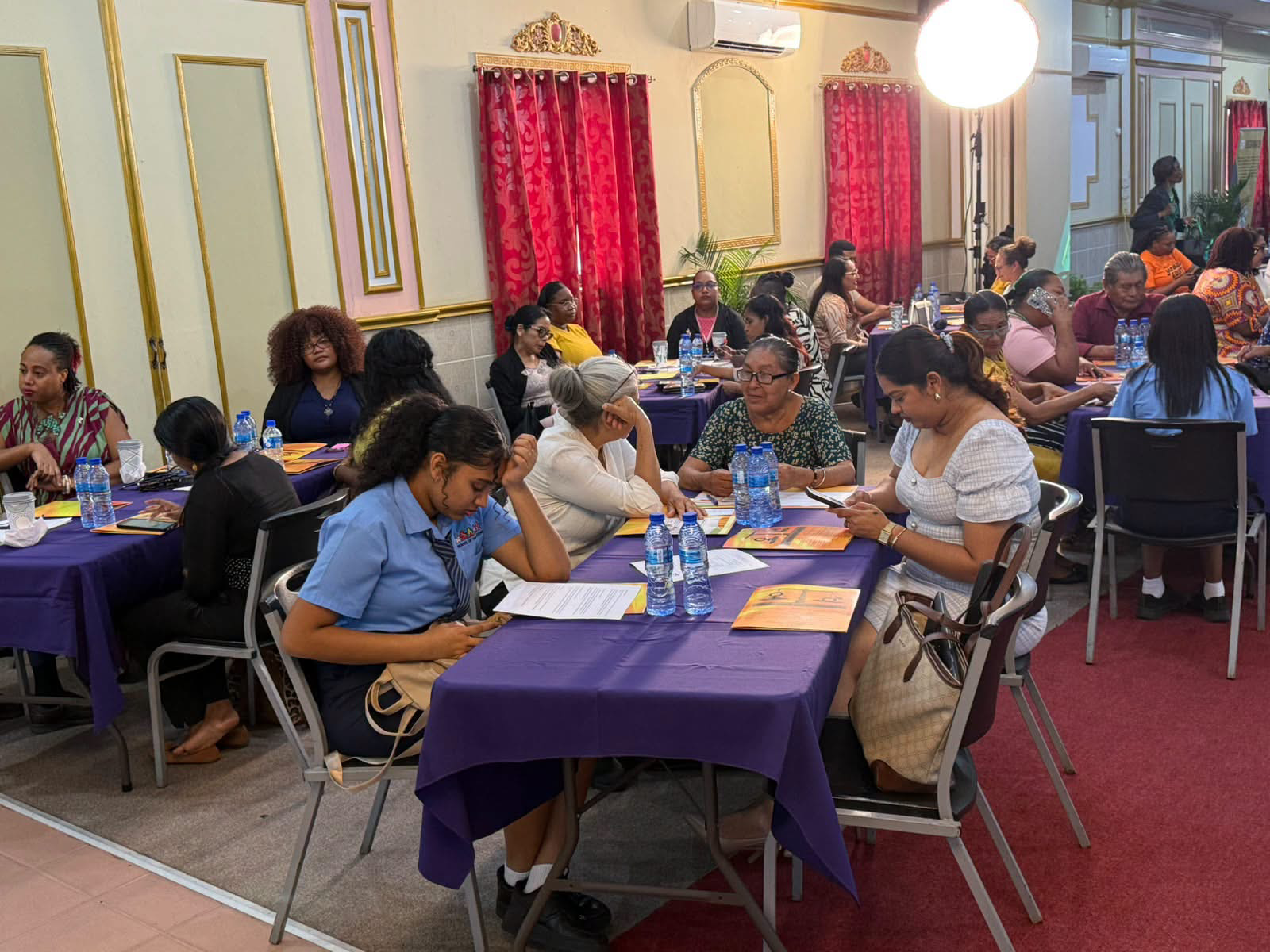
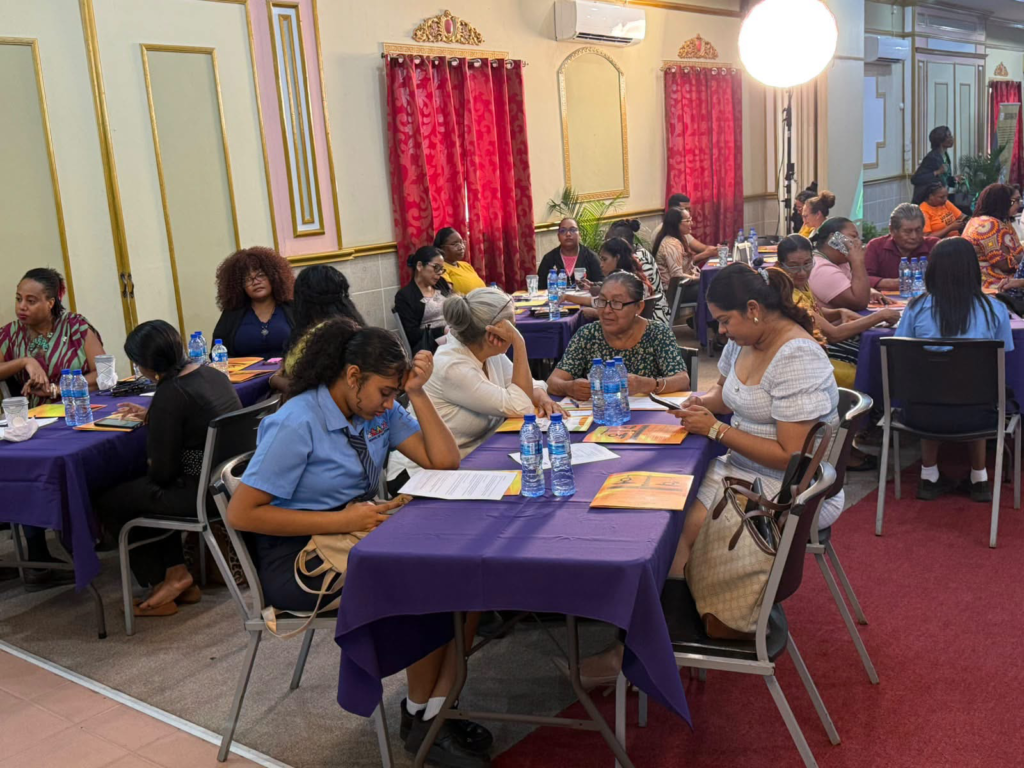
Professor Emeritus Rhoda Reddock delivered that message at the Women & Gender Equality Commission/ Convention on the Elimination of all form of Discrimination Against Women Conference at the Regency Suites today.

When the United Nations was founded in 1945, equal rights for men and women became a fundamental principle of its Charter.
Professor Reddock recalled how Hansa Mehta of India and Minerva Bernardino of the Dominican Republic helped ensure the Universal Declaration of Human Rights affirmed equality for all people and explicitly recognised the rights of women.
She also reflected on women’s participation in civil rights, Black Power, anti-apartheid and anti-war movements—and their efforts to have women’s issues heard within those movements.
“Many of these women who were part of these social movements found that they were not given the space to deal with women’s issues. They were supposed to prepare the coffee, serve the food, but they weren’t satisfied with this,” she said.
Professor Reddock says dissatisfaction helped fuel a new feminist movement.
The United Nations declared 1975 International Women’s Year, held its first world conference on women in Mexico City, and later proclaimed the UN Decade for Women.
In 1979, the UN General Assembly adopted, the Convention on the Elimination of All Forms of Violence against Women UN Conference on the Elimination a landmark treaty addressing discrimination against women.
But Reddock warns that progress is not guaranteed. Pointing to opposition by some countries to a recent UN resolution on violence against women.
“It just goes to show how things in a way have regressed and how we have to be eternally vigilant to ensure that gains that were made are not lost. And especially for you young women who take many of these things for granted, you have to know that they weren’t always there, but we have to work to ensure that they will be there and that more things will actually improve,” Reddock explained.
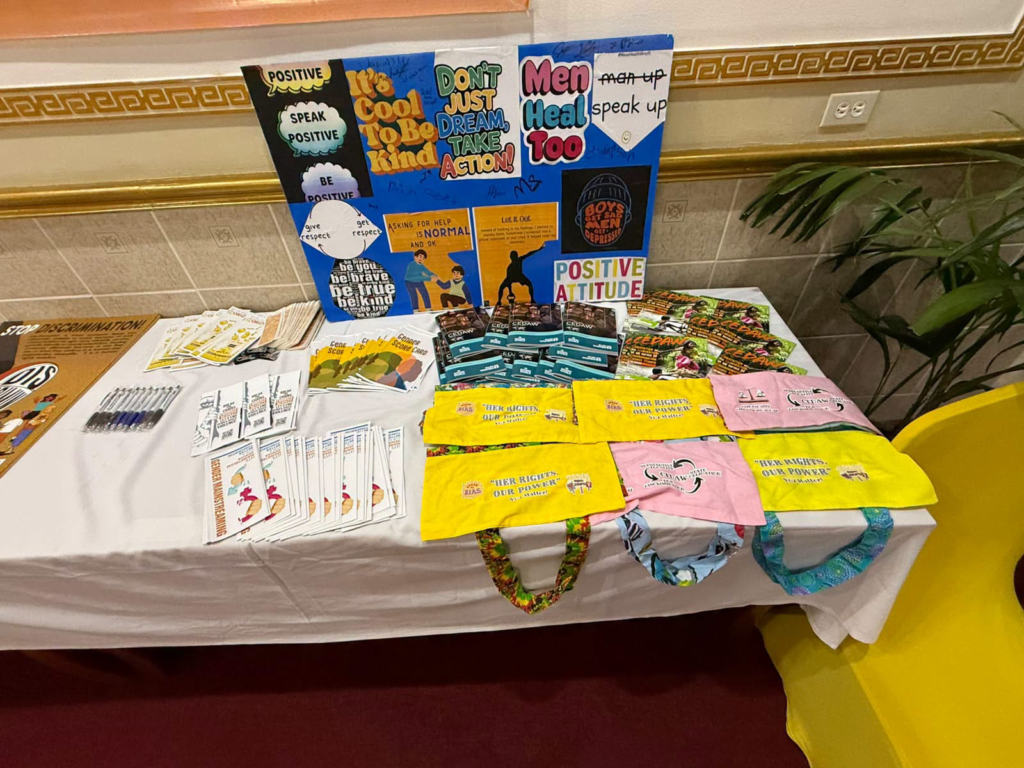
The conference organized by the Women & Gender Equality Commission
brought together students, teachers, councillors and representatives from various sectors for discussions on equity, inclusion, women’s representation and challenging stereotypes and unequal power relations.