admin
admin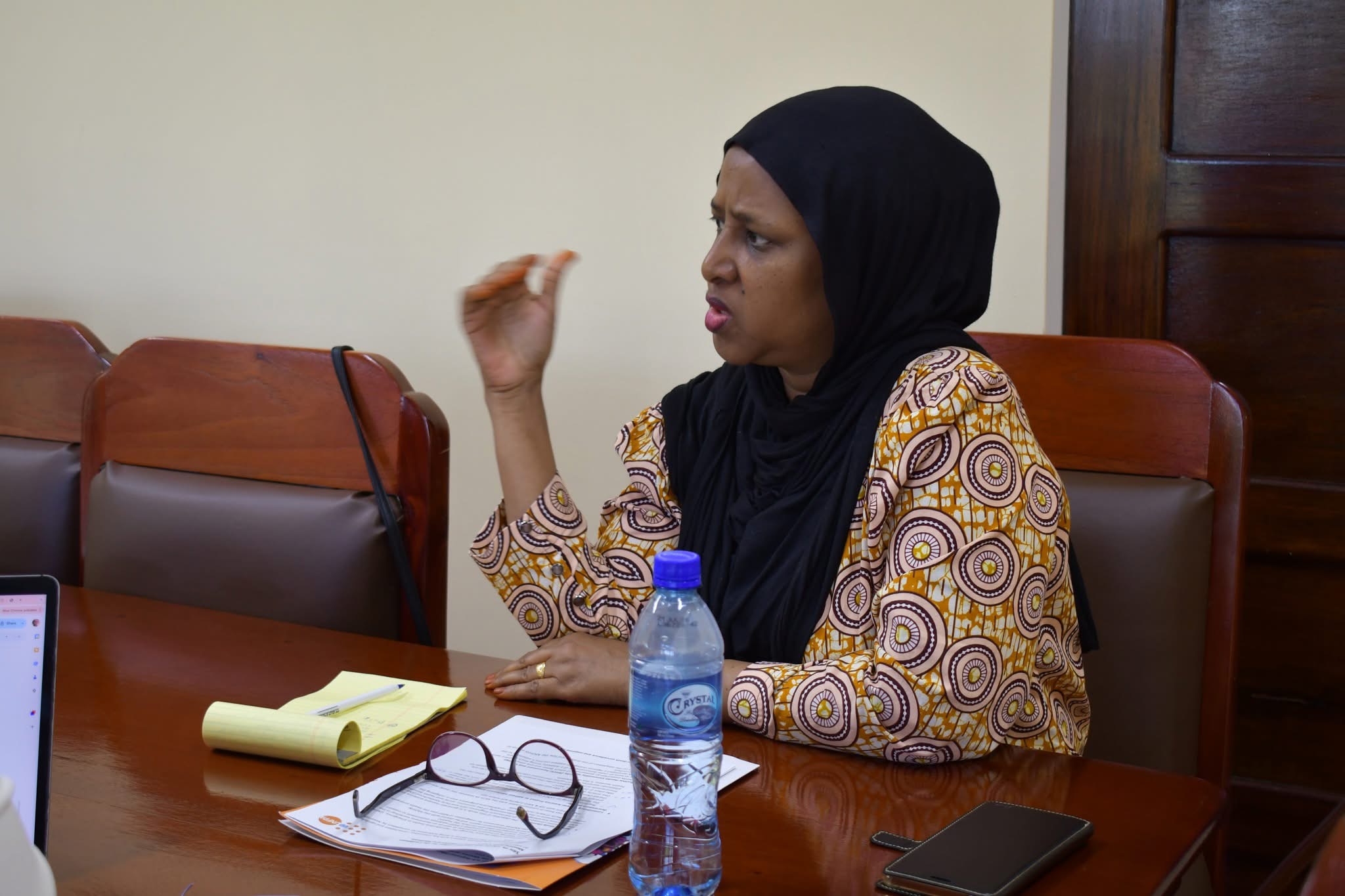
– Calls for zero tolerance on child marriage
-by Kimberly Giddings
Women’s right to make informed decisions about their reproductive health, and the protection of girls from harmful practices such as child marriage, are among the issues being highlighted by the United Nations Population Fund.
The agency says women must be able to make reproductive health choices free from coercion, while children must be protected from practices that can affect their education, safety and future.
The United Nations Population Fund, UNFPA, says women need access to reliable information and supportive health services to make informed decisions about their reproductive health.
That includes understanding the different contraceptive methods available and having the opportunity to discuss those options with a healthcare provider.
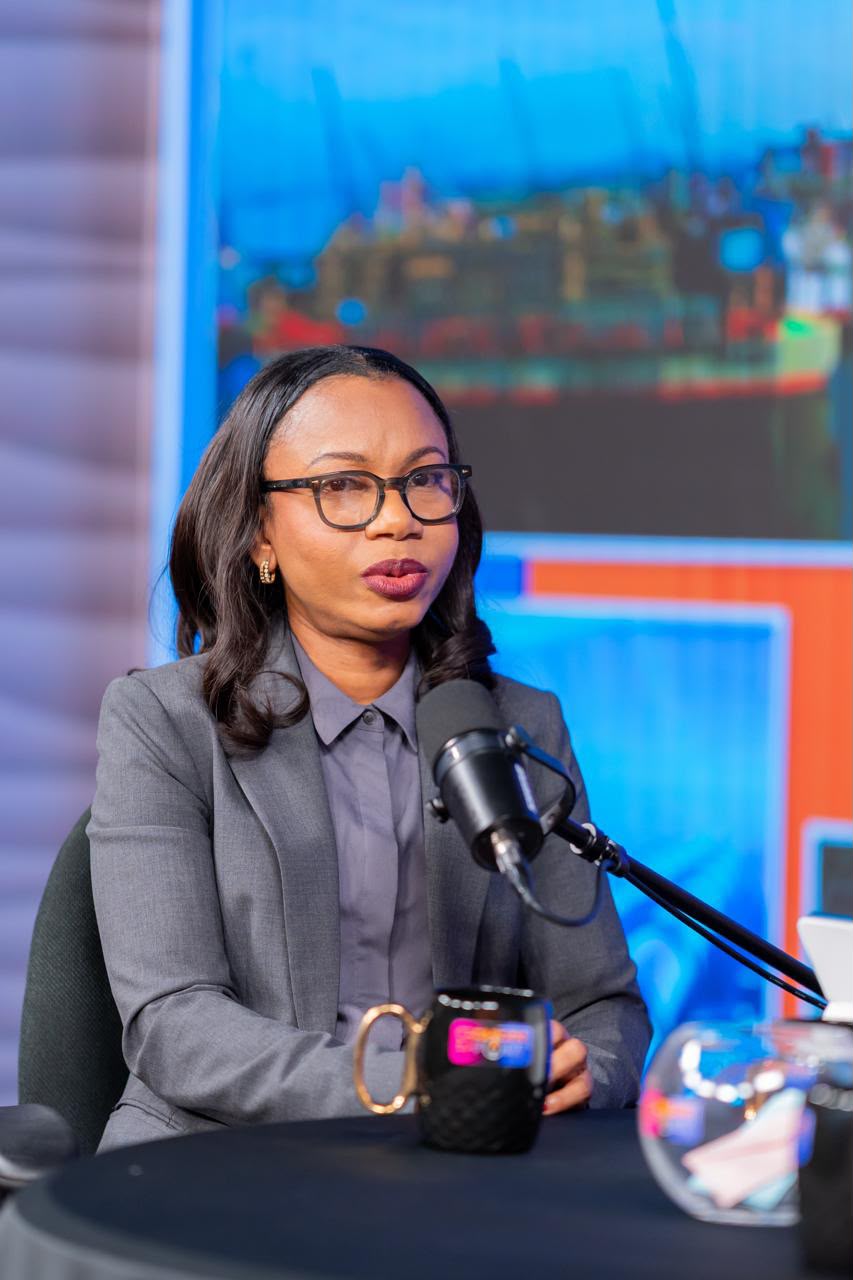
Sexual and Reproductive Health Advisor, Dr. Batula Abdi, said, “It’s about a woman having a choice of the contraceptive she would like to have without coercion. What does choice mean? It means that I go to the health facility and I have a menu to choose from and I’m thinking through that menu and I understand it.”
The UNFPA representative says informed decision-making is an important part of reproductive healthcare, particularly when women are faced with different contraceptive options.
The discussion also looked at the pressures surrounding fertility and reproductive decisions, with the UNFPA emphasizing that women should not face coercion when making choices about their own reproductive lives.
Another major concern raised was the protection of girls from child marriage.
Dr. Abdi added, “Our stand is very clear, zero tolerance for child marriage and we also engage the communities to understand the harmful effect of this harmful practices and why it is important to retain girls in school to ensure they are attained in education and they are free from violence and child marriage is a form of violence. I think Guyana has very explicit policies on that.”
The representative says addressing child marriage also means working with communities to understand why the practice occurs and the consequences for girls.
The UNFPA also points to education as an important protective factor, saying girls should be supported to remain in school and have opportunities to complete their education.
The discussion further stressed the importance of children and young people receiving information about their bodies and reproductive health that is appropriate for their age and development.
The UNFPA says parents, teachers and healthcare providers all have a role to play in helping young people access accurate information as they grow.
The agency says creating an environment where women can make informed reproductive choices, while girls are protected from harmful practices, remains an important part of advancing sexual and reproductive health and rights.