admin
admin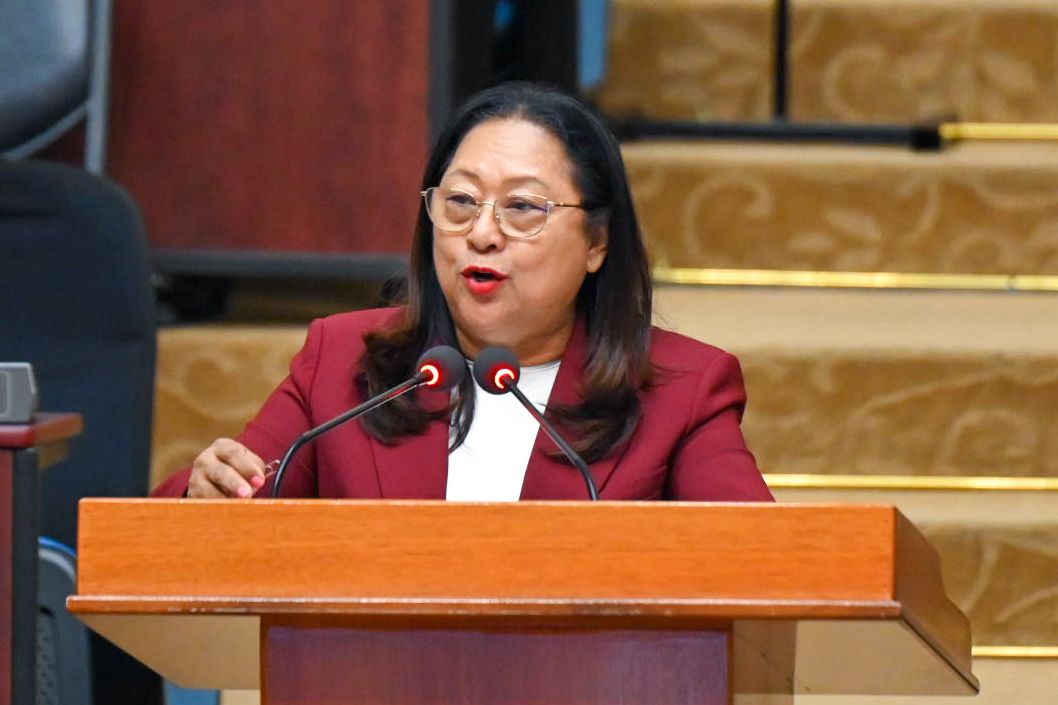
Budget 2026 has allocated some $2 billion to upgrade the historical Stabroek and Bourda markets in a move to rescue Georgetown’s iconic commercial hubs from what has been described as a “sad state of deterioration and neglect.”
Minister within the Ministry of Local Government and Regional Development, Pauline Sukhai, said that this investment will ensure these landmarks evolve into safe, organised spaces that restore Georgetown’s image as the garden city.
For the Stabroek Market, the government plans to integrate the reconstruction into a larger waterfront development project while preserving the sentimental value of the iconic clock tower.
At Bourda Market, the vision includes a modern building to accommodate vendors, with organized stalls and better patron facilities.
“We have already achieved the rehabilitation of City Hall, beautifully done, along with further investment for city enhancement projects throughout the year and beyond. A revitalized and beautifully maintained city will in turn complement the targeted support being extended to the orange economy,” the minister said on Tuesday during Day two of the 2026 budget debates.
Furthermore, a shift toward a modern “circular economy” is being backed by a $7.9 billion allocation for solid waste management, which includes the construction of new landfill facilities and access roads across several regions.
“Consultation has begun for an integrated solid waste management bill aimed at strengthening standards, improving regulation and modernizing the framework within which waste collection, disposal and site management will operate. This is how the People’s Progressive Party/Civic Government operates. We manage the present while modernising for the future,” Minister Sukhai affirmed.
She reminded that the budget provides significant financial injections to strengthen the local government sector. Key allocations include $6 billion for the establishment of 10 additional mini-grids to power unserved communities and an incremental increase in subventions for local organs, with Municipalities receiving $50 million and Neighborhood Democratic Councils (NDCs) allocated $30 million each to execute community-level projects.