admin
admin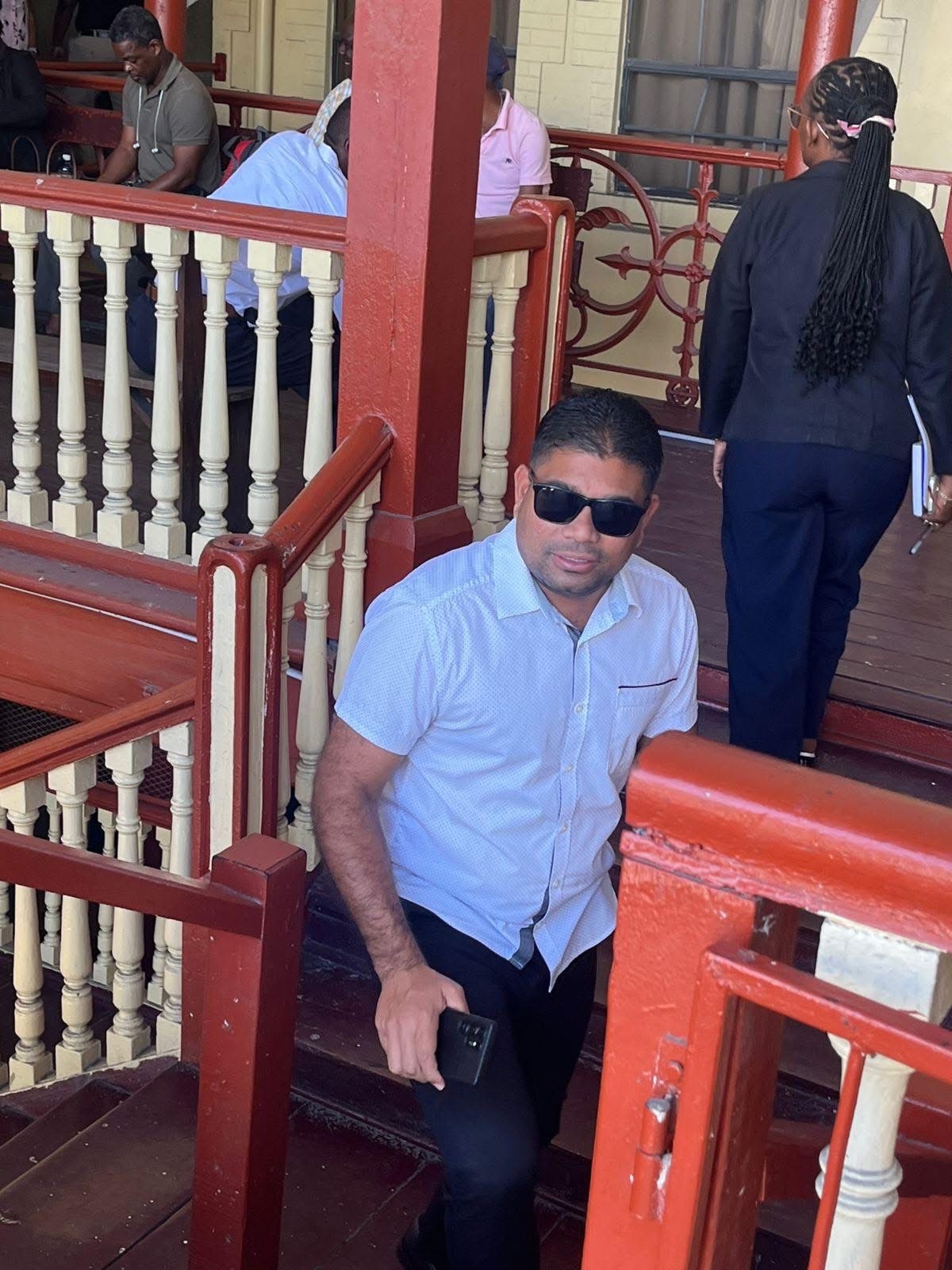
-by Kimberly Giddings
The already prolonged extradition case involving the Mohameds has been delayed once again, this time to early April. The adjournment came after Azruddin Mohamed failed to appear in court today, with his attorney, Roysdale Forde, telling the court his client has been diagnosed with dengue fever.
Attorney Forde said that said Azruddin Mohammed is experiencing fever, headaches and drowsiness and is unfit to attend court either in person or virtually. Documentation, he added, would be provided, but the medical explanation quickly came under scrutiny. The court summoned the attending physician, Dr. Kowal Dilip, who faced intense questioning from Prosecutor Glenn Hanoman.
Hanoman raised concerns, including discrepancies in the medical report, specifically a 20- minute gap between the stated diagnosis and the time the blood sample was logged. He also pointed to a lab result suggesting sickle cell anemia, which was not included in the report. The doctor dismissed that as a false positive.
Questions were raised about the prescribed treatment, maxillan, doxycycline, cough syrup and panadol, as well as the recommended 12-day recovery period. Hanoman argued that the dengue cases typically require about five days of rest.
However, Dr. Dilip maintained that he advises up to 14 days, depending on the patient’s condition.
When asked whether Mohammed could appear via Zoom, the doctor said the medication could
cause drowsiness, making virtual participation difficult.
Despite the concerns, the magistrate granted the 12 days and adjourned the matter to April 7. While the court appeared largely satisfied with the explanation, Prosecutor Hanoman later expressed doubt.
“I had fears that they probably used the blood work from a different patient. That was my fear. And they just put his name and so on it. I would have liked to question the person from the lab. I would have liked to see the books that record the sample numbers and things like that,” he told reporters.
This is just the latest in a series of delays in the high-profile case. Earlier adjournments were caused by
illness, late court appearances and scheduled conflicts, including arguments over the national
budget and observance of Eid.
With repeated interruptions, the case continues to face setbacks. The matter will resume on April 7 at the Georgetown Magistrate Court