admin
admin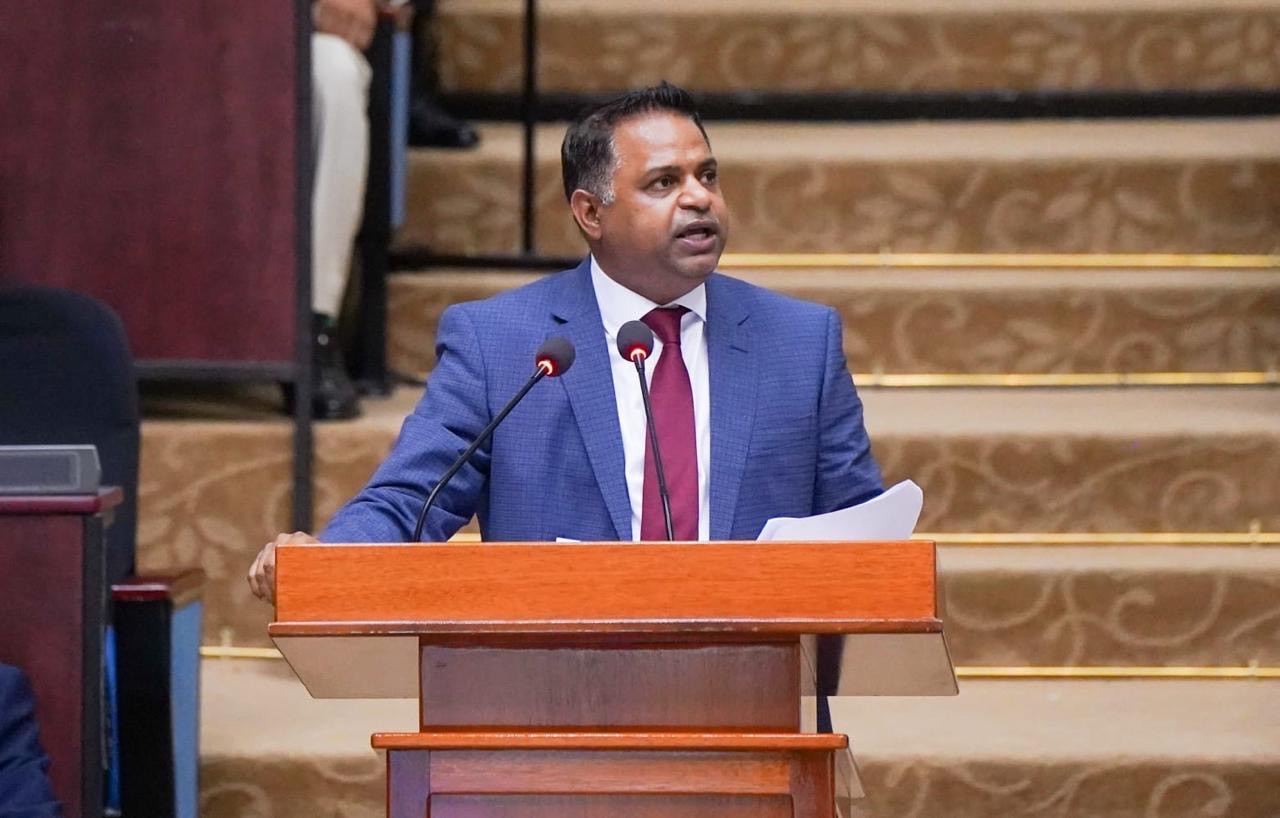
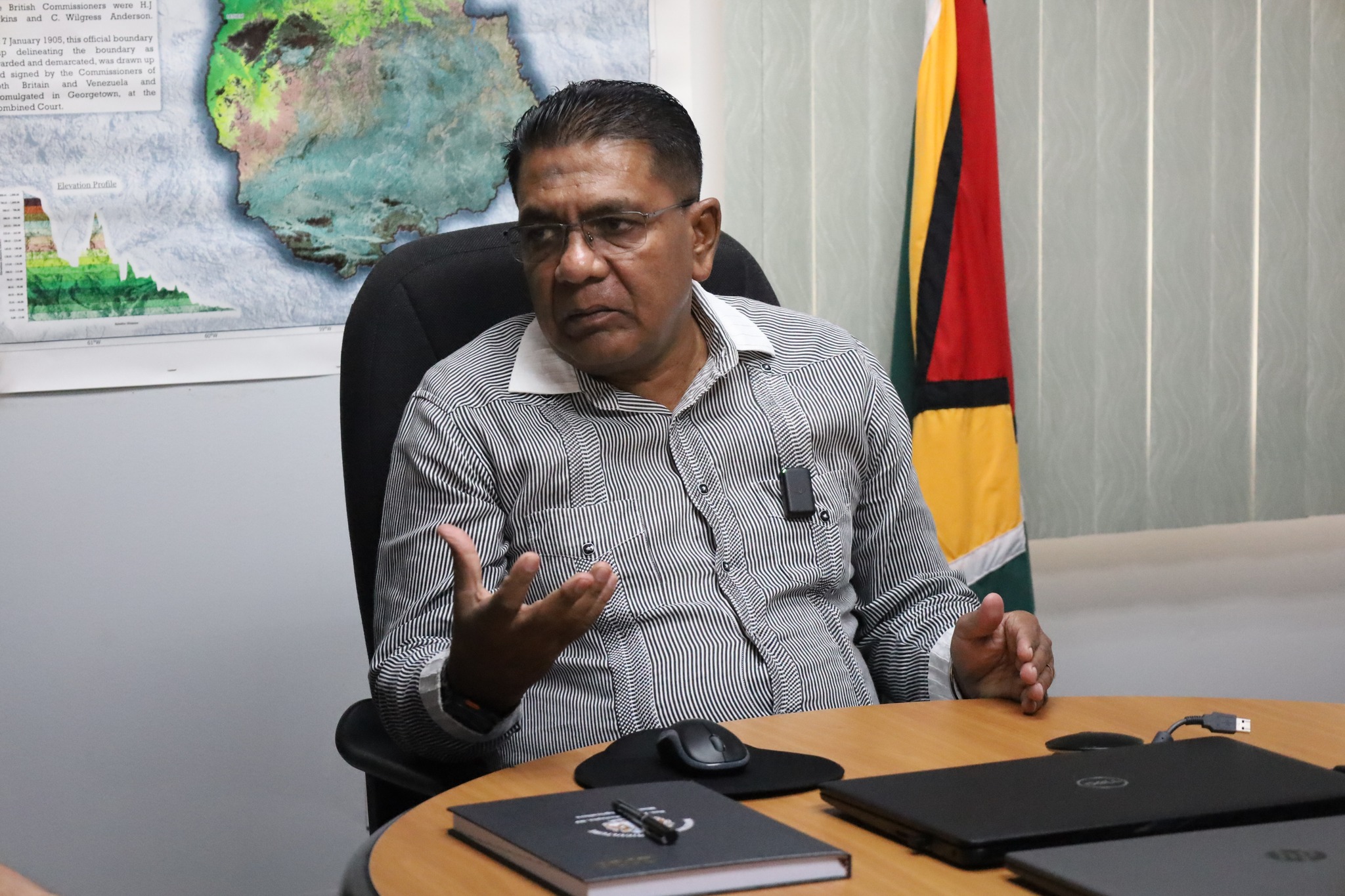
Minister of Public Utilities and Aviation, Deodat Indar, strongly defended the 2026 budget against opposition claims that 58 per cent of the population remains trapped in poverty.
Clashing with members of the A Partnership for National Unity (APNU) and the We Invest in Nationhood (WIN) party, the minister dismissed the cited poverty figures as outdated and misleading, arguing that they do not reflect the current economic reality or the government’s massive social spending.
Addressing the 58 per cent figure cited by opposition members Ganesh Mahipaul and Vinceroy Jordan, the minister asserted that the report being referenced was published in November 2024 but relied on data gathered between 2016 and 2018.
He argued that it is disingenuous to use figures from a previous administration’s era to judge the current government’s performance, especially given the global economic shifts following the pandemic.
Minister Indar contended that the $1.558 trillion budget is specifically designed to lift the vulnerable through a strategy he compared to a traditional business model where one third is spent on cash, one third on capital work, and one third on assets.
He highlighted that 31.7 per cent of the total budget, amounting to $495 billion, is funded by the Natural Resource Fund to ensure the country’s oil wealth reaches the ground level.
“The PPP manifesto came from the ground. We went on the ground. People told us what they want, and what they want is what we put in the budget,” he said.
In underscoring this point, the public utilities minister pointed to a range of social safety nets and subsidies geared at supporting vulnerable groups and easing financial burdens on the ordinary Guyanese.
He spoke of the $4.7 billion for electricity subsidies in Linden and $7.5 billion for power in hinterland regions like Mabaruma and Port Kaituma to keep utility costs low for residents.
“Don’t tell the people of Linden that the budget has $4.7 billion for cheap electricity that you come here and say you don’t want to approve. They pay $12 for power, and we pay for the rest!” he exclaimed.
He also highlighted $192 million in direct support for organisations including the Society for the Blind, various orphanages, the Red Cross, and homes for the elderly, arguing that these are the very institutions that serve the impoverished groups the opposition claims are being ignored.