admin
admin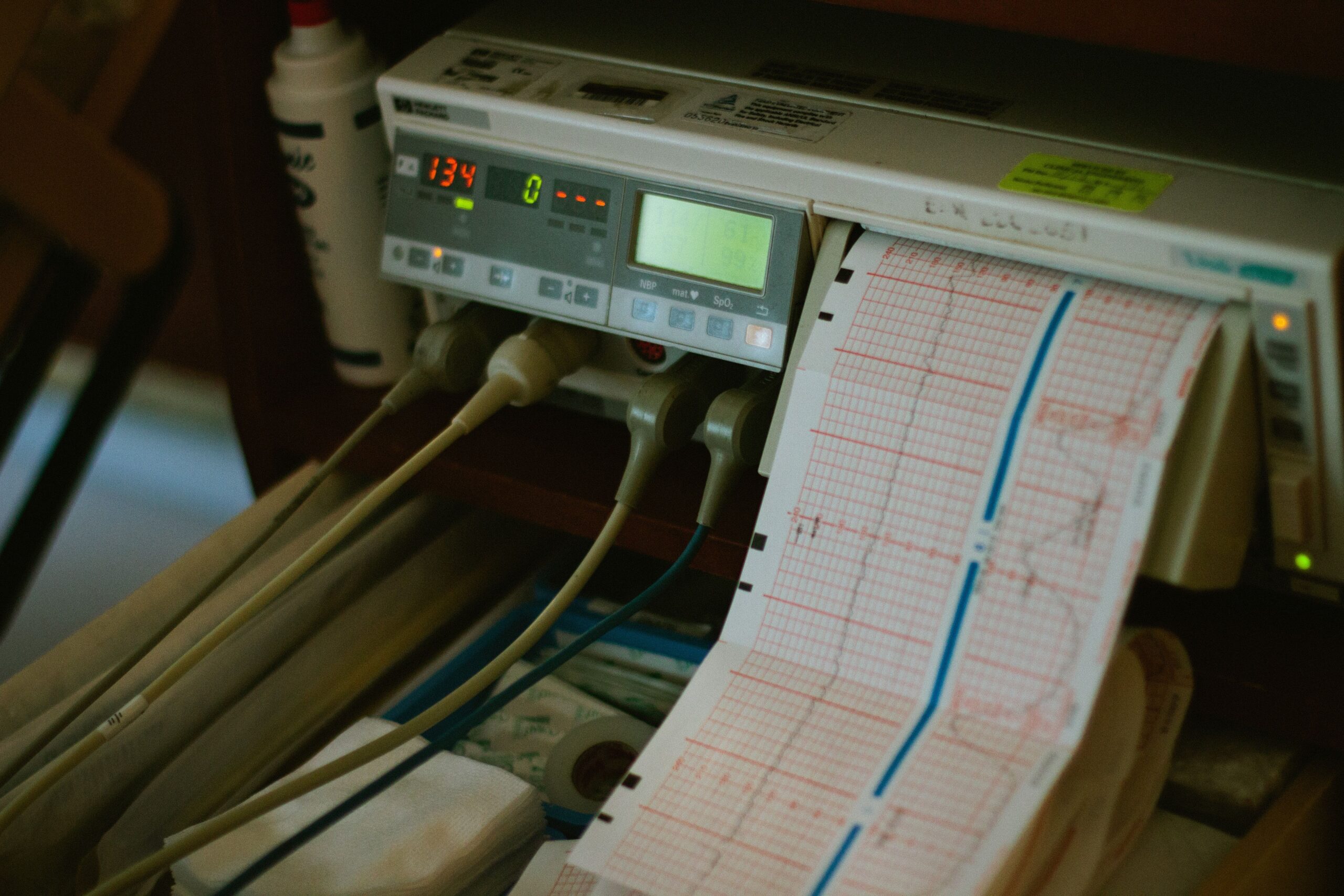
-by Kimberly Giddings
Exercise stress testing is proving to be an important tool for diagnosing coronary artery disease and detecting heart-related issues.
Cardiology Registrar at the Georgetown Public Hospital, Dr. Mirta Perez Yanez explains that a heart stress test evaluates the heart’s function and capacity, while assessing a patient’s tolerance to exercise.
Dr. Yanez notes that the test is instrumental not only in identifying coronary artery disease, but also in assessing arrhythmias, hypertension, and guiding cardiac rehabilitation.
It is used widely before non-cardiac surgeries and helps tailor exercise programmes for patients recovering from heart conditions.
“It’s a very important testing the prognosis and they are guided the medical, treatment too for the patients its not the same for every patient. That depend on the patient and what the patient do this test allow to do the assessment of clinical, behavior, electrical behavior and a high number of behavior during the exercise,” she said.
The duration of the test varies for each patient, based on their clinical and electrical response.
While some patients require only a few minutes on the treadmill, others may need a longer assessment.
Throughout the test and recovery stage, doctors closely monitor heart rate, blood pressure, and electrical changes in the heart.
“That’s very important to keep your eyes on the machine because in the machine you can see all the electrical behavior during the exercise and in the recovery stage. It also gives you hydrodynamic information like behavior of the heartrate, blood pressure, competence,” she added.
Dr. Yanez emphasises that the stress test allows for a comprehensive assessment of cardiac health, including the detection of new arrhythmias or abnormal heart rhythms.
The results help physicians determine the patient’s coronary risk level, guide further treatment, and assess the effectiveness of ongoing therapies.