


Space technology may seem far removed from the everyday experiences of many young Guyanese, but Mission ShakthiSAT is bringing the country into a global initiative designed to give girls direct exposure to the science, technology and engineering behind space exploration.
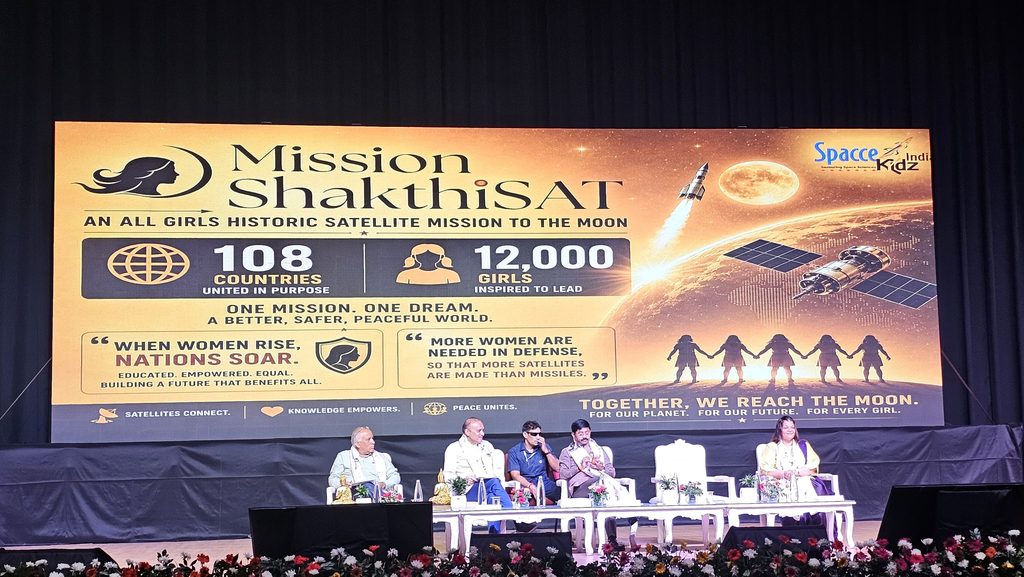
Led by Chennai-based Space Kidz India and founded by Dr. Srimathy Kesan, Mission ShakthiSAT brings together 12,000 girls between the ages of 14 and 18 from 108 countries in what is described as a pioneering all-female global space technology initiative.
The programme is being implemented in two phases. The first, which concluded in mid-2026, provided participants with 120 hours of online theoretical training across 21 modules and more than 365 lessons, covering mathematics, physics, coding, ham radio technology, PCB designing and payload development.
The second phase now takes the participants beyond the virtual classroom, with one girl selected from each participating country to travel to India for hands-on training in satellite design, fabrication, testing, coding and integration. Two satellites will be developed and launched into lunar orbit.
Guyana’s participation in that global undertaking has been coordinated by Devica Uditram, the country’s appointed Mission ShakthiSAT Ambassador.
Uditram’s own involvement began in June 2025 when she travelled to Washington, D.C., to receive the 2023 Changemaker Award from Ignite Caribbean. There, she met Dr. Claire Nelson, an advisor to Mission ShakthiSAT, who was seeking someone from Guyana to become involved.
Although Uditram did not have a STEM background, she was drawn to the possibility of creating an opportunity for young Guyanese girls.
“I wanted to understand how I could become involved, represent Guyana, and, more importantly, create an opportunity for young Guyanese girls to participate in an initiative of this nature,” she said.
Dr. Nelson subsequently connected her with Dr. Kesan, and Uditram took on the responsibility of coordinating Guyana’s participation, recruiting girls and supporting them throughout the programme.
Over the past year and a half, 30 young Guyanese girls have been exposed to the programme’s curriculum.
For Uditram, their participation has demonstrated the value of providing access to areas that many young people may never otherwise encounter.
“What has stood out to me most is the level of curiosity and willingness to learn that the Guyanese girls have demonstrated throughout the programme,” she said. “For many of them, space technology was not necessarily an area they had previously considered pursuing, so watching their interest develop has been particularly rewarding.”
She said the girls have also demonstrated resilience despite the challenges of the programme.
“Most importantly, I think the programme has allowed them to see themselves differently. They are beginning to understand that space technology is not something that is only for people from major space-faring nations. Young Guyanese can also participate and potentially build careers in these fields,” she said.
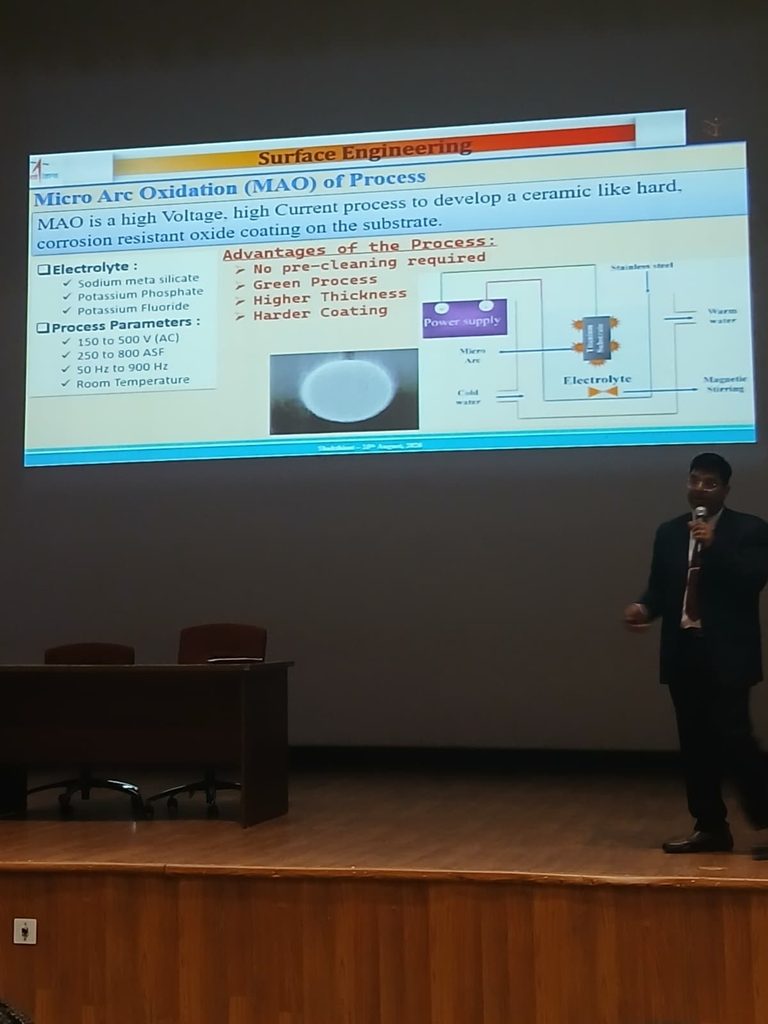
Phase Two of the programme allows participants to apply the theoretical knowledge they have gained in a practical environment.
One of the girls selected for that opportunity is Nareeta Devi Nandkumar, who is representing Guyana in India.

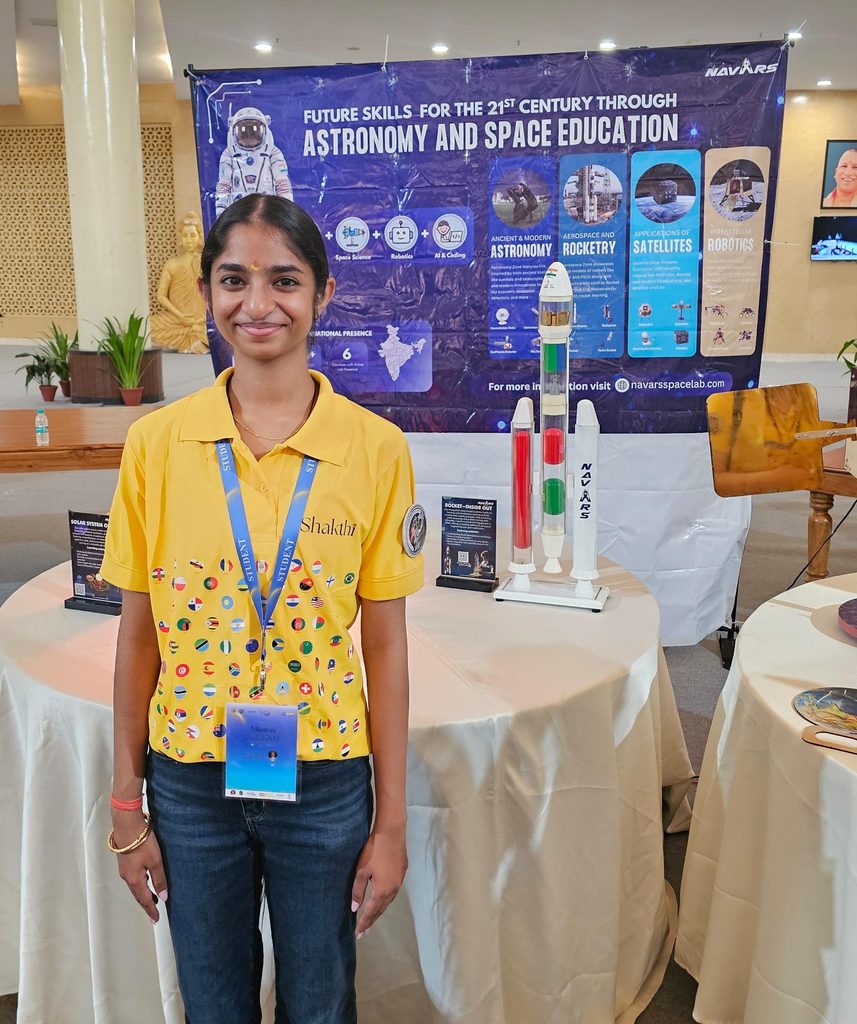
For Uditram, seeing the participants make that transition is one of the most exciting aspects of the mission.
“As we move into the practical phase, I am most excited to see the girls transition from learning the theory behind space technology to actually applying that knowledge in a real-world environment. I am looking forward to seeing them get hands-on experience with the design, fabrication, testing, coding and integration involved in developing the satellites. I am excited for them to realise that they do not need to confine themselves…they are capable of contributing to something as complex and ambitious as a space mission,” Uditram shared.
But the mission’s impact, she believes, extends beyond the technical skills the girls will acquire.
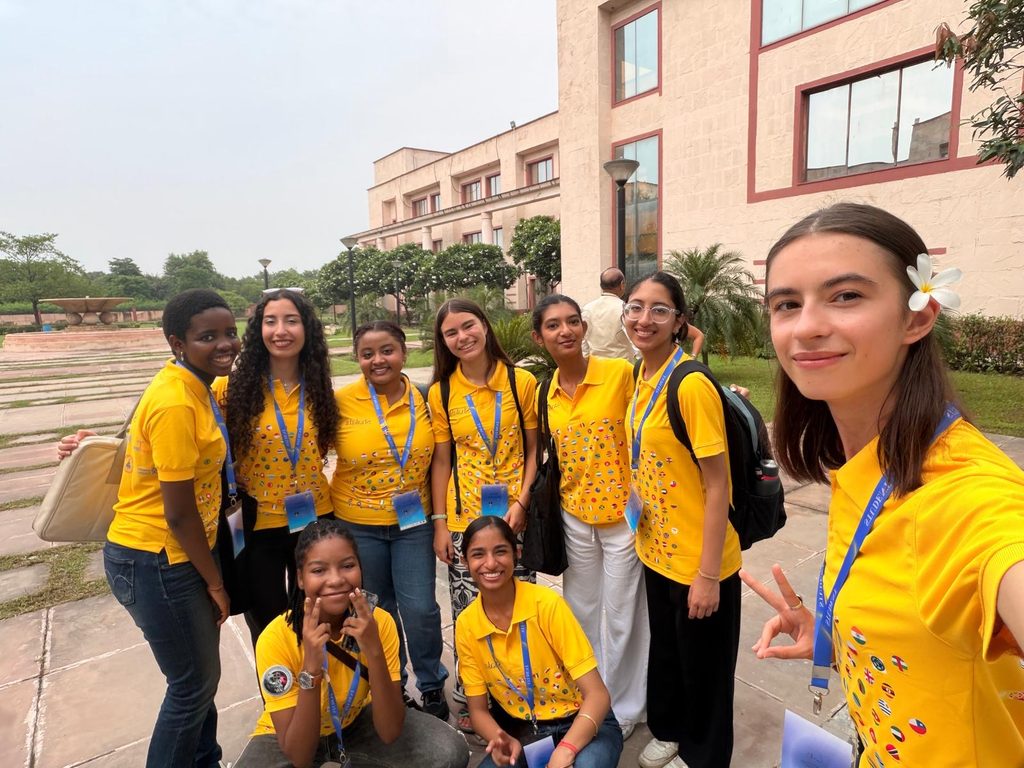
She sees international collaboration as another defining element, with participants from different countries and cultures coming together to work towards the development of the satellites.
“For the girls, coming together in India creates an opportunity for genuine cultural exchange. They are not only learning about space technology from one another, but also learning about each other’s traditions, perspectives and experiences,” Uditram said. “They get to work alongside girls they may never have otherwise had the opportunity to meet, and together they are contributing to the development of two satellites. So, beyond the technical knowledge, they are learning what it means to collaborate as a truly international team.”
What it could mean for Guyana
For Guyana, the programme offers exposure to a sector that Uditram believes can otherwise seem distant or unattainable.
“For a young Guyanese girl, participating in a programme like this can open doors to opportunities in STEM education, engineering, technology and innovation…which are traditionally male dominated,” she said.
She explained that beyond the technical skills, the programme empowers them with opportunities to connect with a diverse international network comprising of their peers, educators, scientists and professionals. That exposure, she believes, can influence the career ambitions of young Guyanese.
“When you are growing up in Guyana, a career in space technology can seem very distant or almost unattainable. Being part of an actual international space programme changes that perception,” Uditram said.
“It allows a young person to say, ‘If I can participate in this, perhaps I can pursue a career in aerospace engineering, satellite technology, data science, astronomy or another area of the space sector.’”
Uditram’s role in the initiative has also received regional recognition. She was featured in CARICOM’s HERizon Campaign as one of the Caribbean’s women shaping STEM.
Yet she sees Mission ShakthiSAT as requiring a commitment that extends beyond the programme itself.
She believes Guyana must be prepared to invest in young people even when the opportunities being pursued are unconventional.
“Sometimes creating opportunities for young people means being willing to step outside of what has traditionally been done and say, ‘Why not Guyana? Why not our girls?’” she said. “Mission ShakthiSAT is revolutionary. It is using space not only to explore what is beyond Earth, but to change who gets to participate in that exploration.”
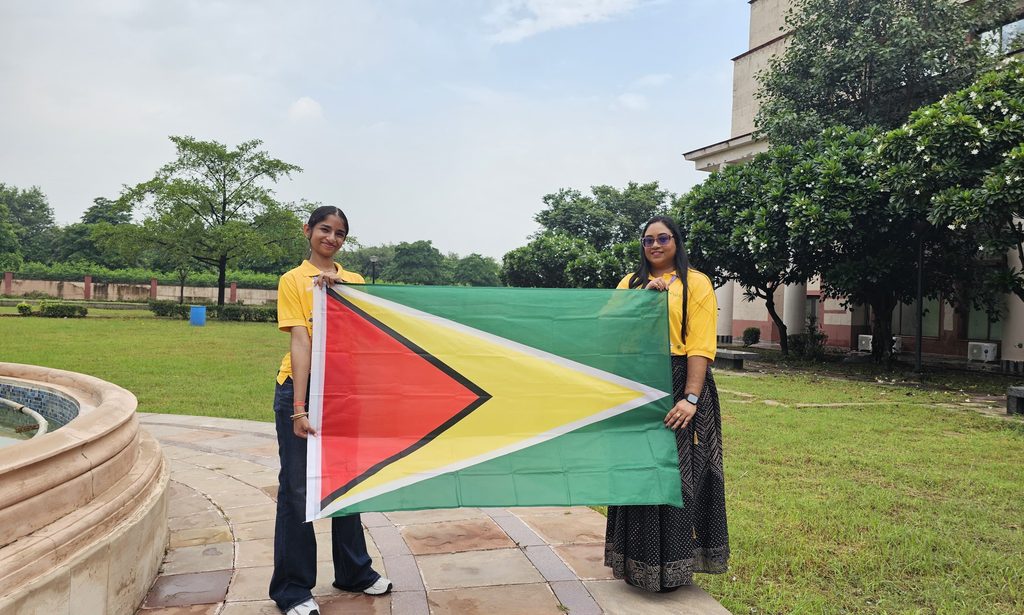
And while two satellites may eventually make their way into lunar orbit, the programme is already creating another kind of legacy on Earth: giving young Guyanese girls the knowledge, exposure and confidence to consider themselves potential contributors to the global space and technology community.