admin
admin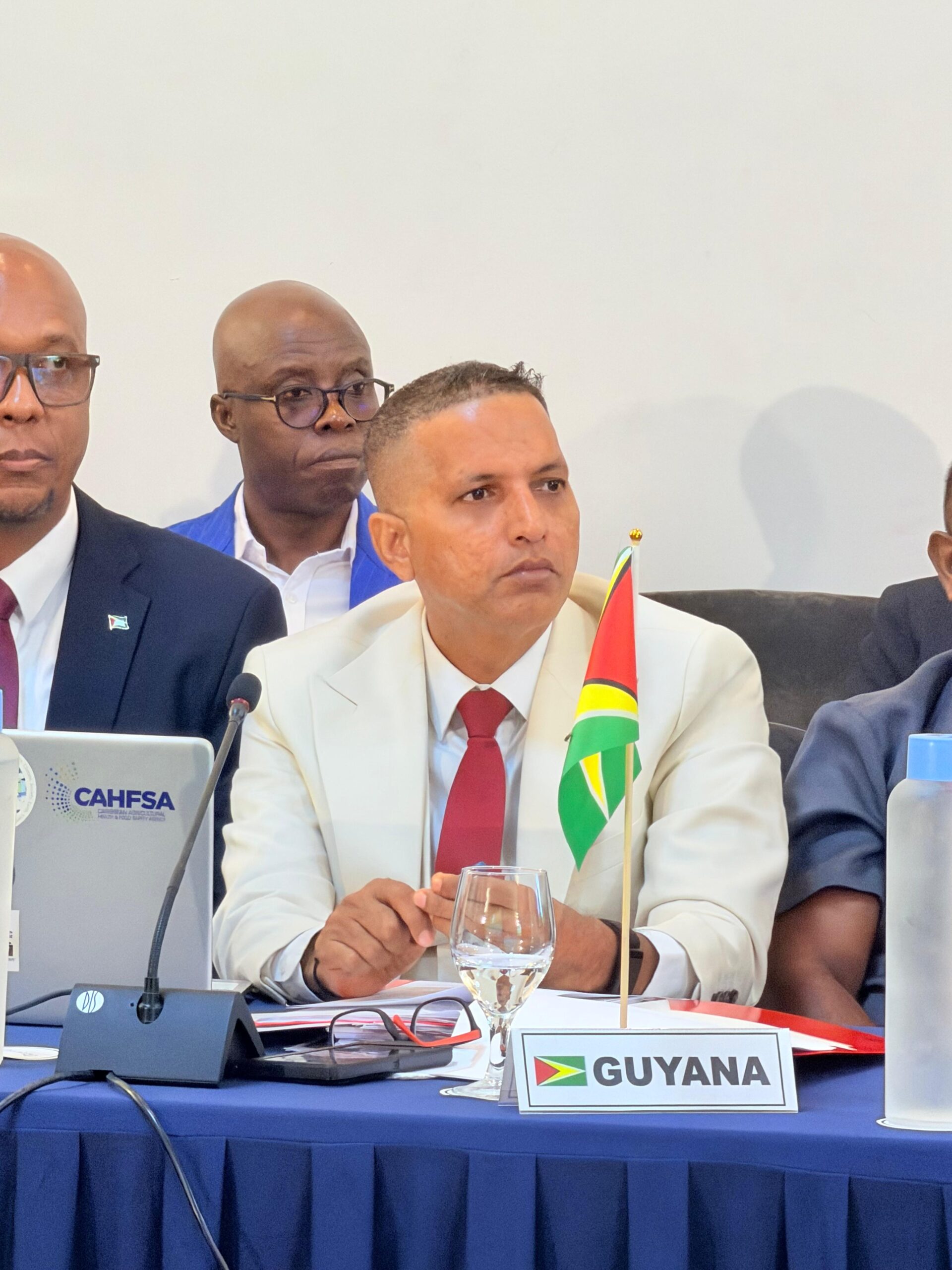
Guyana has produced more than half of the agricultural output reported by participating CARICOM states during the first six months of 2026, further strengthening the country’s push to establish itself as a major food-producing hub for the Caribbean.
Figures presented at the 127th Special Meeting of the Council for Trade and Economic Development (COTED) in Kingston, Jamaica, show that Guyana produced 792,012 tonnes of agricultural commodities between January and June. The data was presented by Minister within the Ministry of Agriculture, Vikash Ramkissoon.
Collectively, Member States that submitted data recorded approximately 1.4 million tonnes of production during the period.
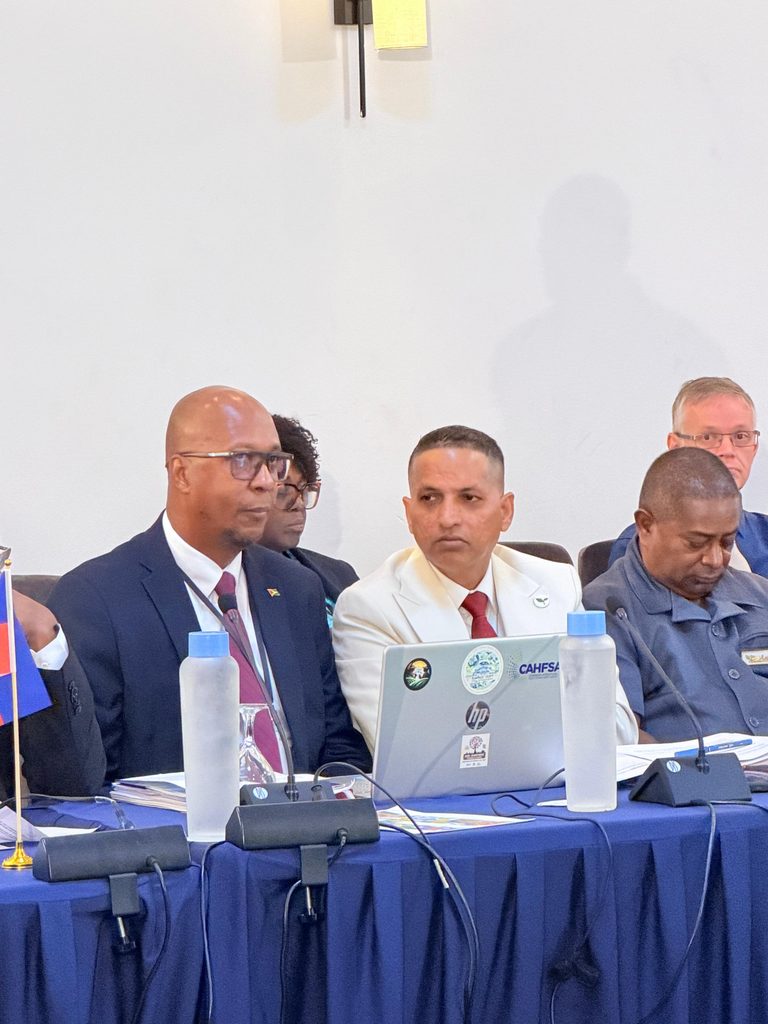
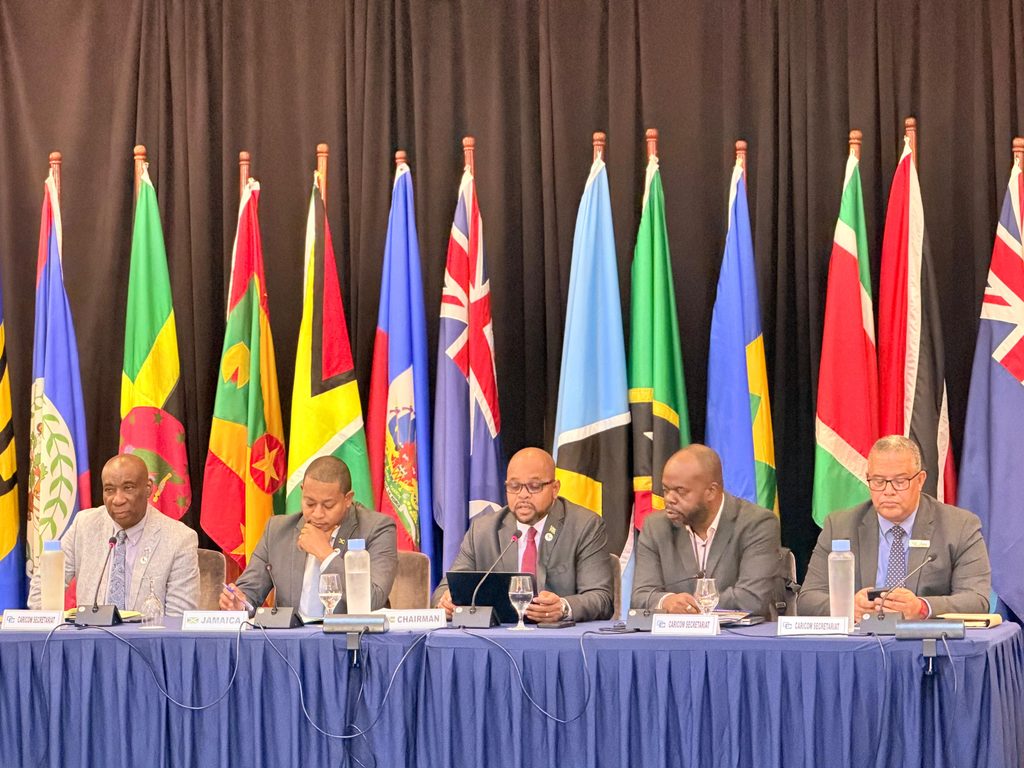
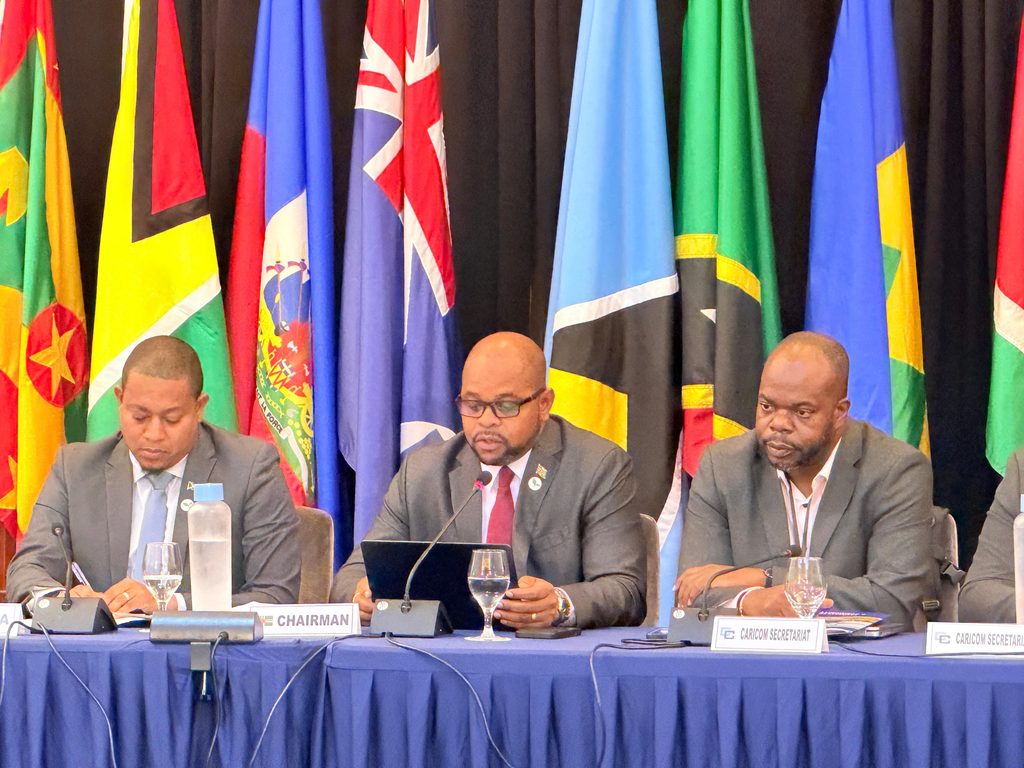
The figures form part of the latest report of the Special Ministerial Task Force on Food Production and Food Security, chaired by Minister of Agriculture, Zulfikar Mustapha.
Guyana’s agricultural trade has also expanded as the country increases production and seeks larger markets within the Caribbean.
Agricultural exports increased from US$375.4 million in 2023 to US$402.3 million in 2024, while Guyana’s exports to other CARICOM markets climbed from US$89.8 million to US$120.1 million.
Across the Region, intra-regional agricultural exports increased from US$748.4 million in 2023 to US$870.3 million in 2024. The growth comes amid CARICOM’s continued drive to increase regional food production, strengthen intra-regional trade and reduce the Caribbean’s dependence on food imported from outside the Region.
Under Mustapha’s chairmanship of the Task Force, Guyana has been at the forefront of that agenda, advocating increased agricultural investment and greater movement of food between Member States.
However, the latest report indicates that more work is required to meet the Region’s food import reduction targets. Climate-related threats, shipping and supply-chain disruptions, high input and transportation costs, and shortages of labour and technical skills remain among the major challenges affecting regional production.
CARICOM is also advancing several initiatives aimed at addressing constraints within the sector, including the Regional Electronic Agricultural Market Information System and a regional strategy for planting material and genetic resources. A proposed US$1.2 million initiative with the Republic of Korea is also expected to support climate resilience, ocean governance and fisheries modernisation.
The latest COTED discussions come as CARICOM Member States assess progress under the Vision 25 by 2025+5 initiative and consider further measures to increase production and build a more resilient regional food system.