


-by Shamiah Grant
The Government is transforming its healthcare approach to combat a growing regional crisis in neurological health, shifting focus from merely saving lives to protecting long-term quality of life.
According to The Lancet Regional Health Americas, neurological disorders affect half a billion people and are among the leading causes of disability and mortality in the region.
Since conditions like stroke and dementia are heavily tied to manageable risk factors such as hypertension, diabetes, high cholesterol, smoking, and poor diet, the public health strategy is now centering on lifestyle and clinical prevention.
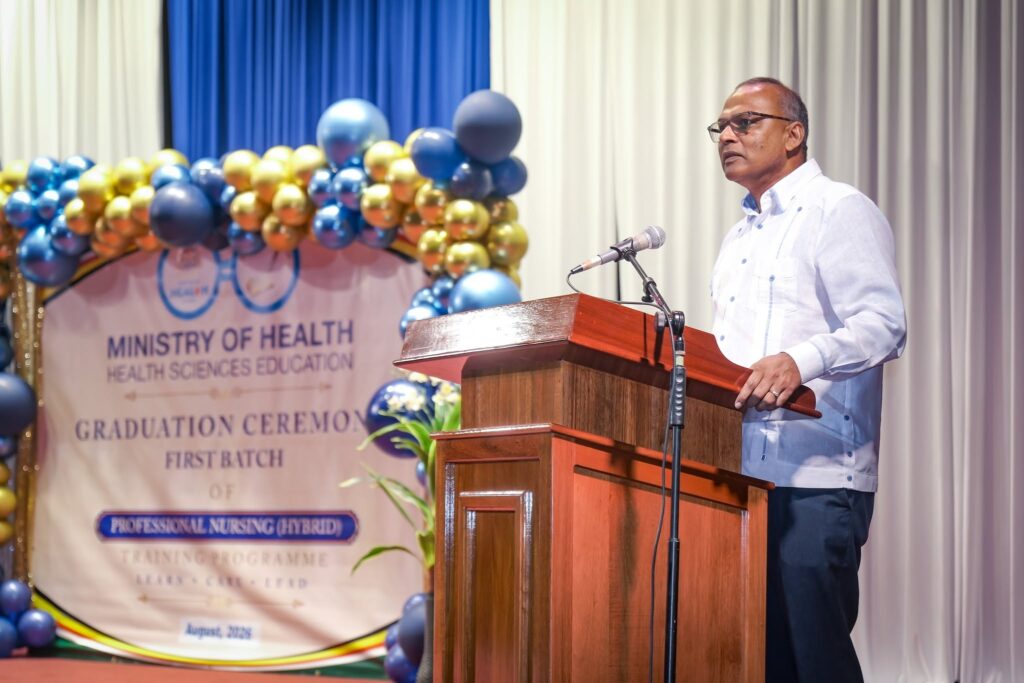
“Stroke is a major threat to healthy ageing, and preventing strokes can spare families emotional and financial burdens. The evidence shows that controlling blood pressure, diabetes, cholesterol, tobacco, and unhealthy diets can significantly reduce stroke and dementia. Prevention is our most powerful medicine,” health minister, Dr Frank Anthony said.
Guyana has partnered with McMaster University to establish an Acute Stroke Unit at Georgetown public Hospital, training a multidisciplinary team for comprehensive stroke care.
In addition to training, new protocols will be developed and deployed.
The Ministry of Health is also building a neuro-rehabilitation center, with the design completed and construction set to begin soon.
“The findings in The Lancet are more than a warning; they act as a call to action. They show that a modern health system’s success isn’t just about saving lives but also about enabling healthy, productive, and dignified lives,” the minister said.
Dr. Anthony says Guyana has demonstrated that bold investments in healthcare can yield remarkable results. He says the ministry has expanded access to services, strengthened disease prevention, and modernize infrastructure, adding that the next chapter must include a deliberate focus on neurological health.