admin
admin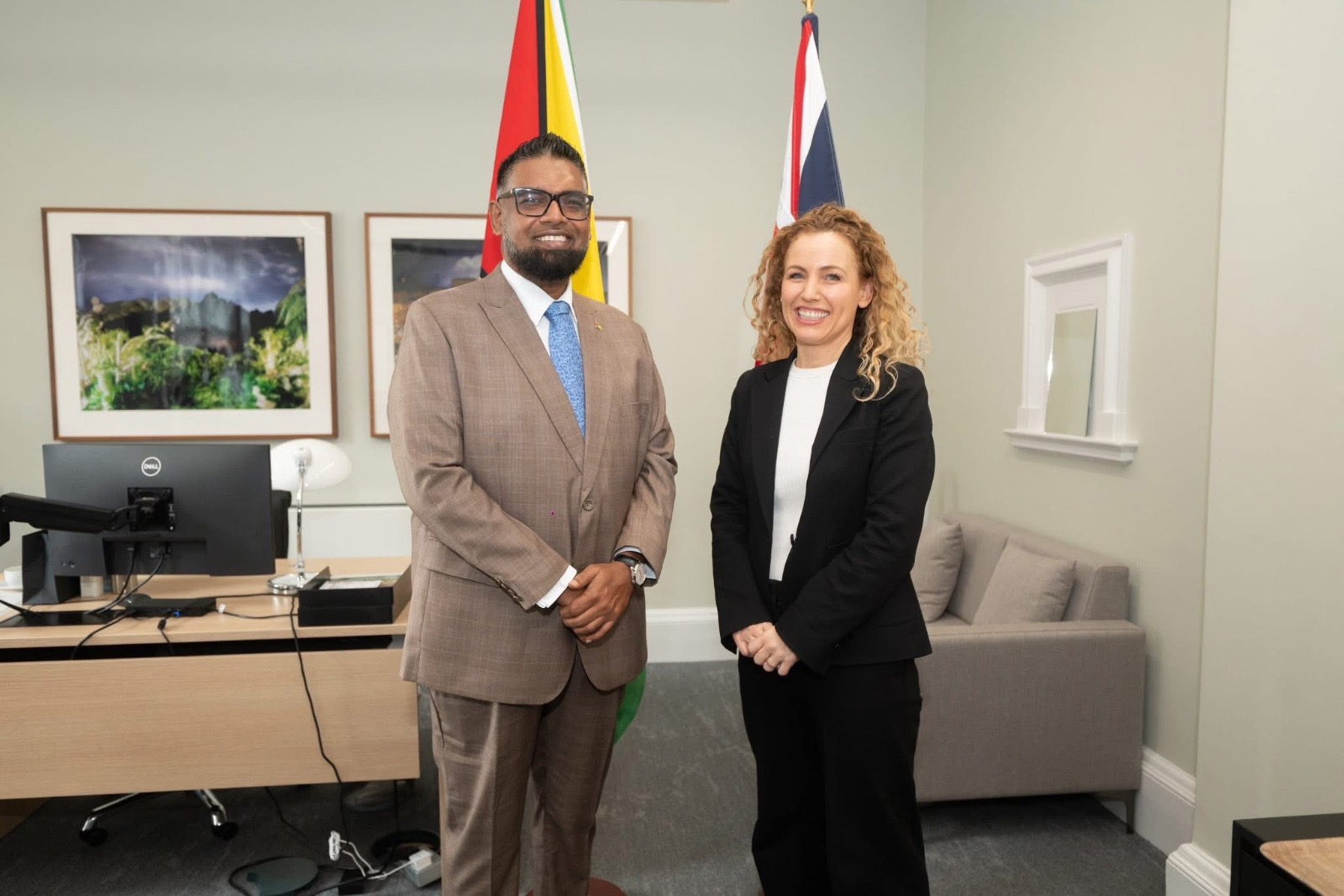
President Dr Mohamed Irfaan Ali has once again showcased Guyana as a global model on empowering indigenous people, forest preservation and eco-tourism as alternative revenue.
During a podcast discussion with the United Kingdom’s Climate Minister Katie White on forests, climate change, and biodiversity, the president referenced Guyana’s efforts to generate revenue by avoided deforestation.
Not only is biodiversity preserved to grow Guyana’s global reputation for eco-tourism, but carbon credits are also sold.
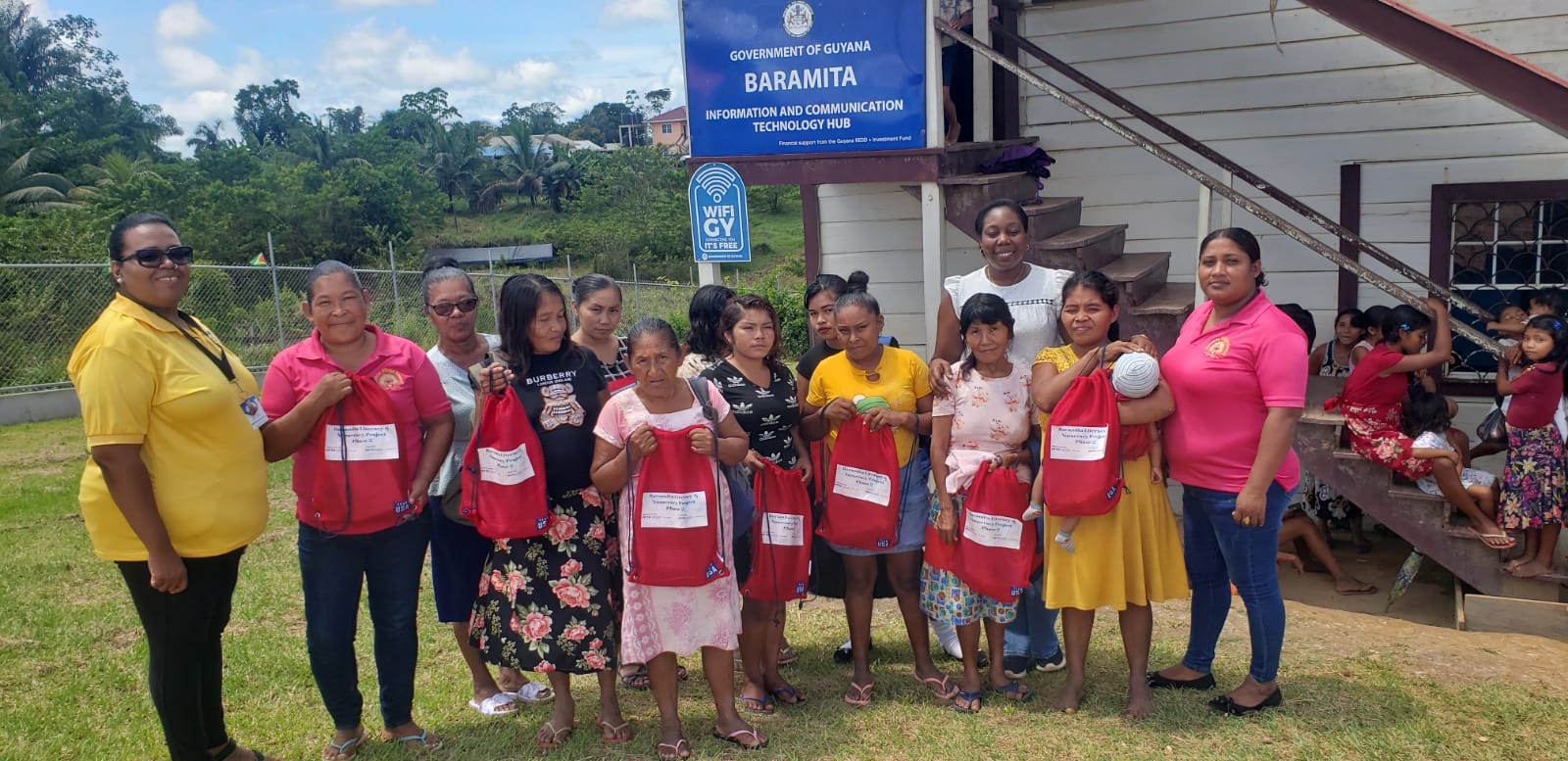
A significant percentage of the money earned from carbon credits, under the Architecture for REDD+ Transactions (ART) framework, is given to indigenous communities with their own, self-determined plans for investing the money into long term, income generating projects.
President Ali explained that it comes down to finding sustainable ways to support biodiversity, while ensuring loggers can survive, eco-tourism can grow and indigenous people can self-determine their own futures.
“So you show them a model where they’re involved, where they’re taking the leadership. Sometimes scientists, researchers, we at the policy level, believe that we always have to take the leadership. It is how we translate great policies and ideas into empowering people to take the leadership,” he said.
The Guyanese leader further outlined how his nation is maintaining 85 per cent forest coverage while simultaneously expanding its economy.
“We are future-proofing humanity by keeping that forest alive and standing,” he said. “We have decided a long time ago, in 2006, the former president, Dr Bharrat Jagdeo, decided that our development trajectory would be a low-carbon development trajectory. When we found oil, everybody thought we were going to abandon this trajectory. But we showed the world that we were going to double down on it.”
Back in 2020, the government crafted the Low Carbon Development Strategy 2030 to serve as the foundation for this growth. This refined strategy included a focus on biodiversity and marine life, with the aim of merging environmental sustainability with economic growth.
President Ali also pointed to the collaboration between Guyana and the UK, who co-chair the Forest and Climate Leaders’ Partnership, which focuses on creating scalable models for the rest of the world.
According to the president, the goal is to transform intact nature into an economic powerhouse by stimulating jobs in sectors like ecotourism and sustainable forest products. He argued that for conservation to be sustainable, it must be profitable for the people living within those ecosystems.
“You can have the greatest contributor to humanity, but if it does not make economic sense, if it does not contribute to the livelihood of people, if it does not contribute to the building of an economy or a country, then it’s very difficult to justify that. And together, we are going to show the world – and we have started that process – of how… in a world where 60 percent of the biodiversity has already been lost in the last 50 to 60 years, we’ve kept ours intact,” the head of state explained.