


In a bid to improve Guyana’s public health landscape, the government will launch a massive primary healthcare program that will integrate medical services directly into the nation’s religious institutions.
This was disclosed by President Dr Mohamed Irfaan Ali at the opening of the National Ramadan Village on Sunday evening.

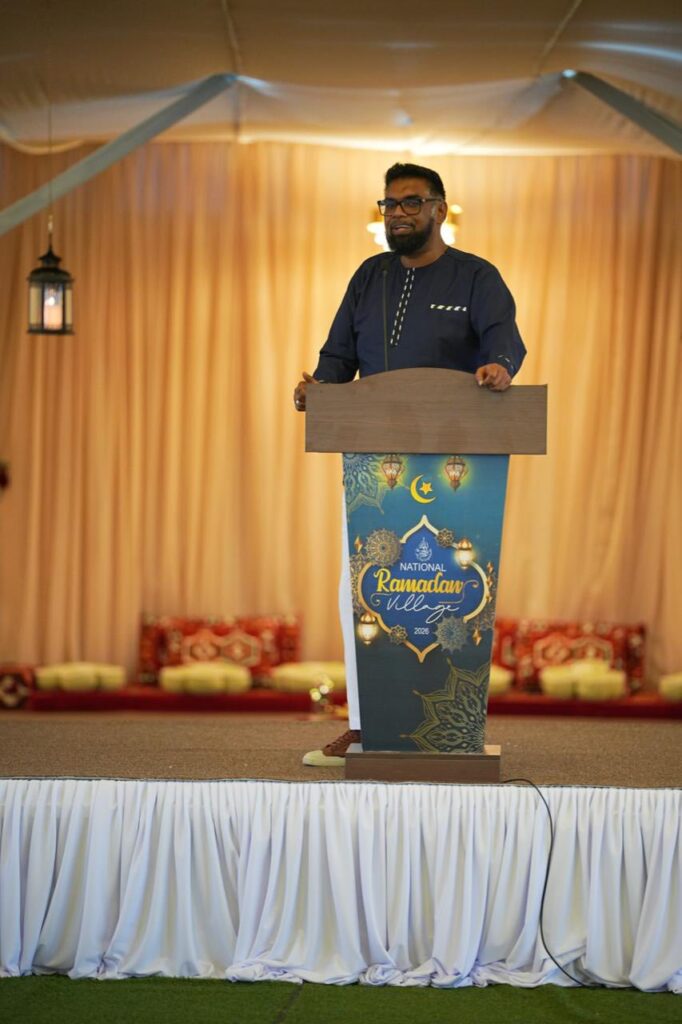
He said that the government plans to establish primary healthcare facilities within mosques, mandirs, and churches across the country, aiming to tackle chronic diseases.
“We will create in every single area with these villages, institutions, primary health care facility where we can do checks, where we can do collective healing, where we can do counseling, and where we can change living style and living habits from the ground up,” the president told the gathering.
Through this initiative the government aims to pilot a revolution in public health education that treats physical wellness as a communal responsibility.
The President pointed to recent community-led health outreaches as a successful blueprint for this national rollout, emphasising that the mission of religious institutions must now include being “each other’s keeper” in a literal, physical sense.
“We must lead a revolution in public health education, against diabetes, against all the primary health care challenges and issues that we have. Too many persons are going on dialysis. I know when I go to the fields now, a lot of persons are going on dialysis because the government is supporting it, but we do not want you to go on dialysis. We want you to prevent dialysis,” he stressed.
This year’s budget has earmarked a total of $161.1 billion, with significant resources dedicated for the modernisation of medical infrastructure and training of community-based health personnel.