admin
–Report highlighted massive transformation achieved under the PPP/C Government
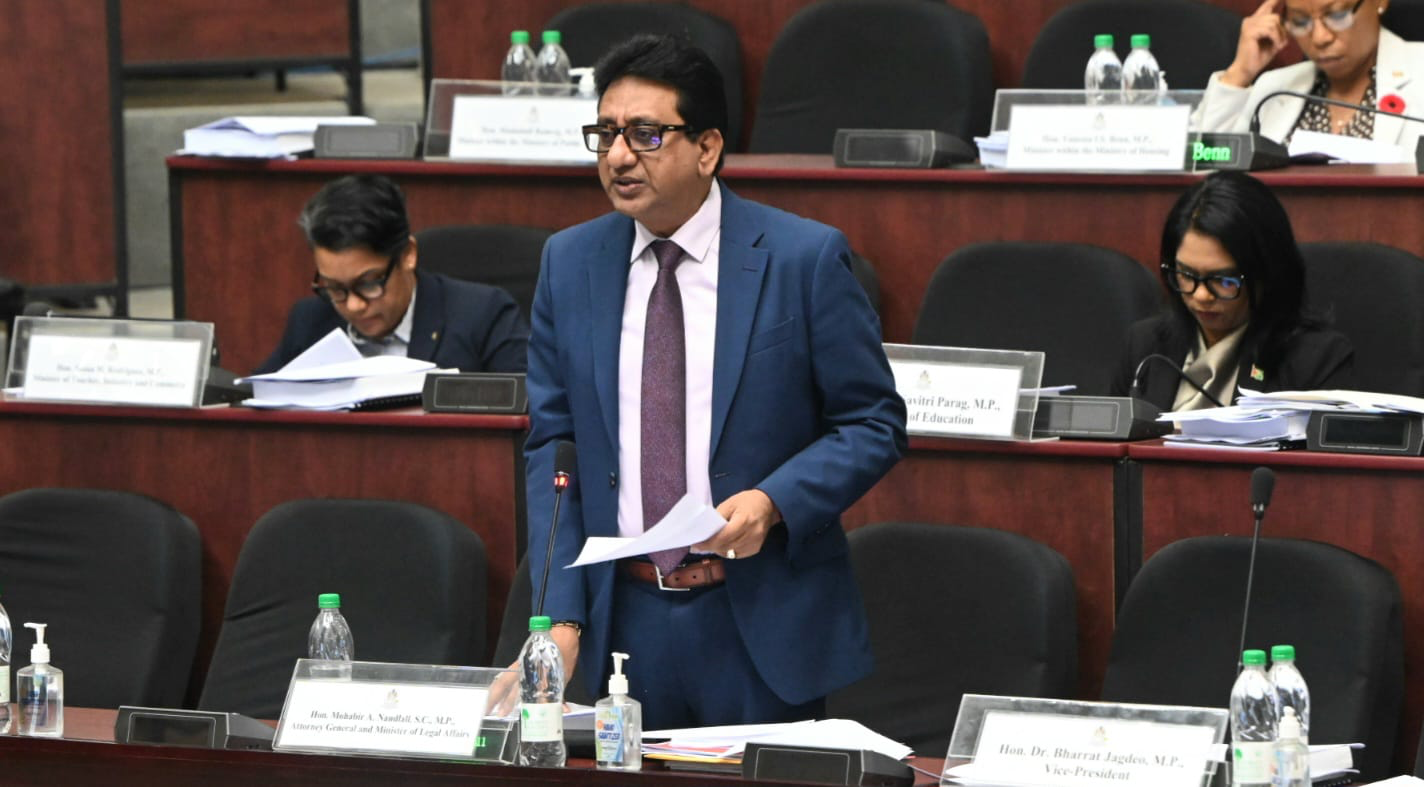
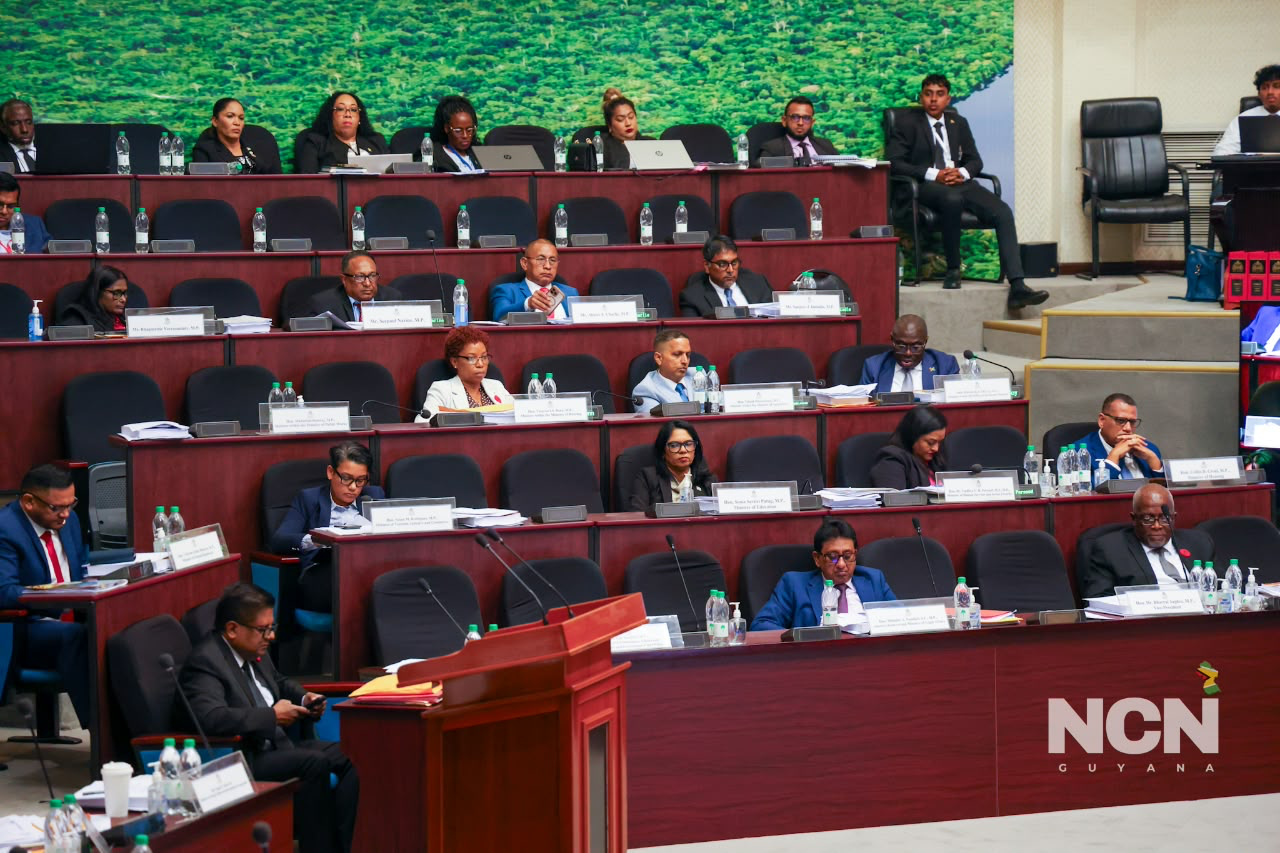
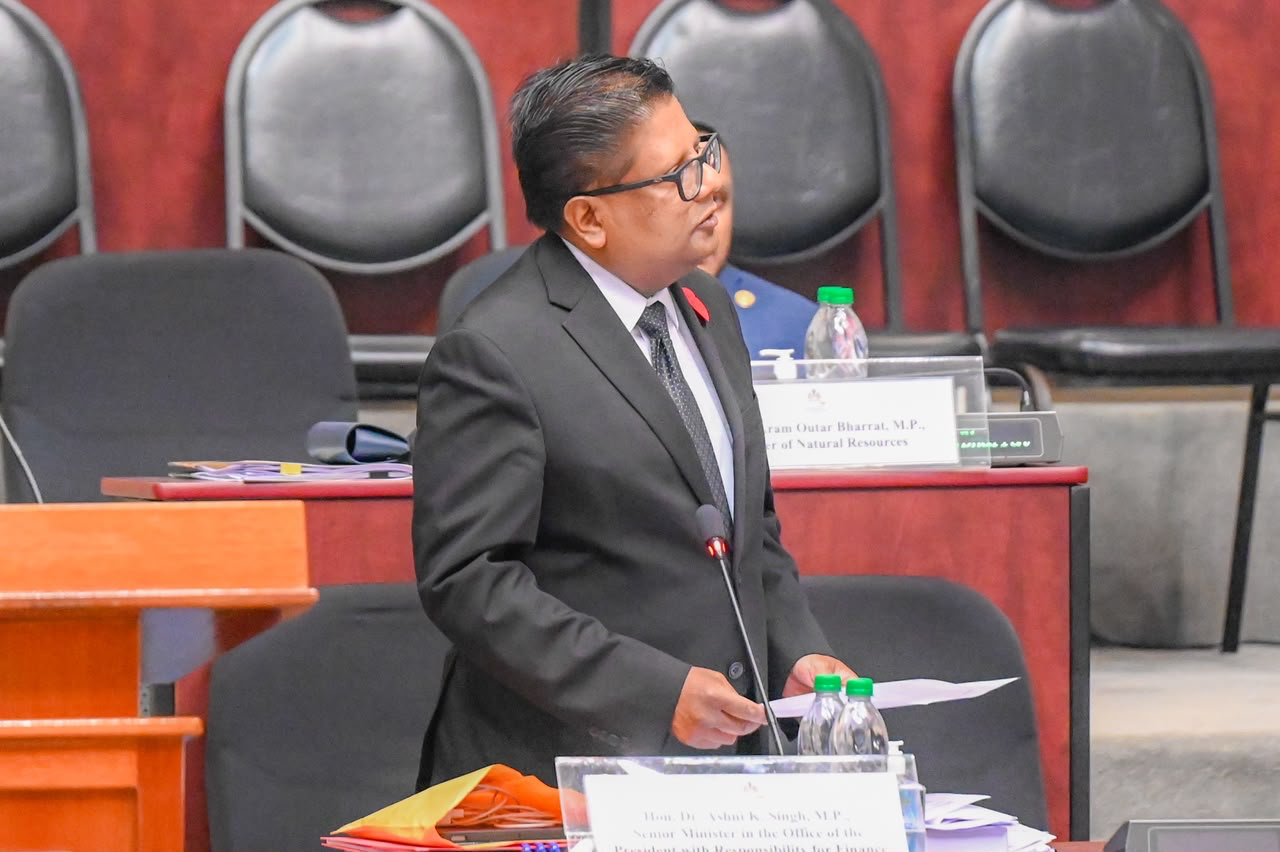
Senior Minister in the Office of the President with Responsibility for Finance Dr. Ashni Singh today tabled the 2026 Mid-Year Report which had highlighted that for the first half of this year Guyana’s economy maintained strong, broad-based growth with the real economy estimated to have recorded 33.3 percent growth and the non-oil economy 10.1 percent growth. According to the 2026 Mid-Year Report, investment continued to climb in the first half of the year, driven by both public and private sector activity whileGovernment’s capital expenditure reached nearly $250 billion,and private sector credit grew by 11.5 percent over the reviewperiod. The Report reflected Government’s deliberate strategy of converting oil and gas revenue into lasting national development.
Further, based on the developments in the first half of this year, real GDP growth for 2026 has been revised upward to 20.8percent and non-oil growth is now projected at 10.2 percent. The Report also highlighted once again the People’s Progressive Party/Civic’s (PPP/C’s) commitment to sustaining high economic growth, while maintaining fiscal discipline and safeguardingGuyana’s long-term stability. Additionally, the Government continues to emphasise sustainability in the management of Guyana’s public debt, even as the implementation of ambitious policies and programmes continue.
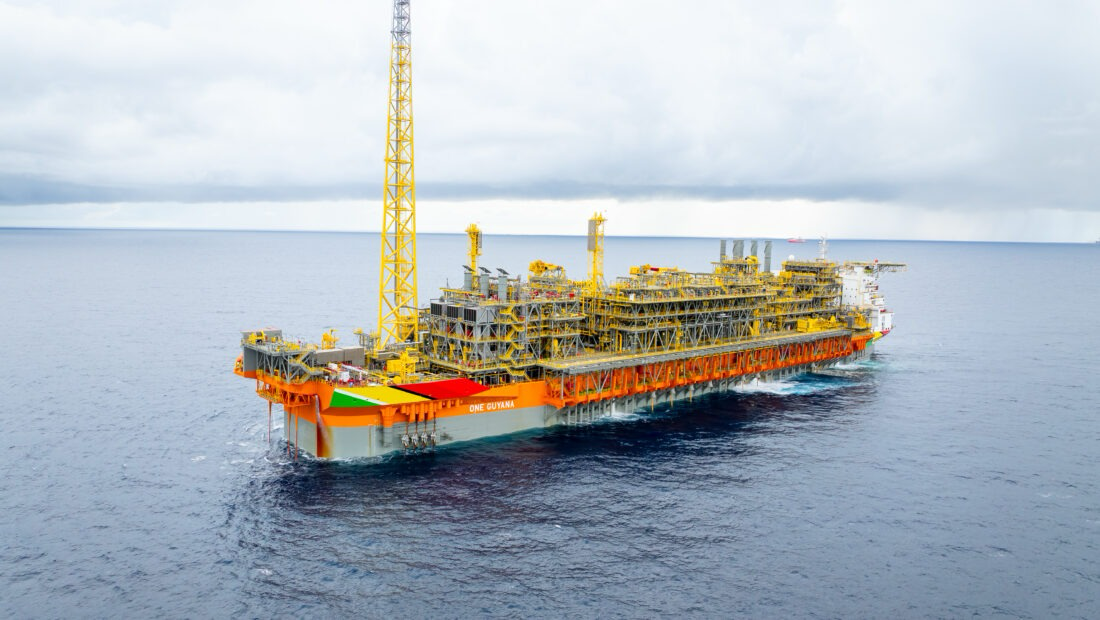
The recent International Monetary Fund (IMF) 2026 Article IV Mission Staff concluding statement released at the end of Julypointed out that ‘Guyana’s economy continues to expand at a very rapid pace, supported by robust oil and non-oil activity. Real GDP grew by over 19 percent in 2025, following average growth of nearly 40 percent during 2023–24’ it added that ‘Oil production exceeded expectations and surpassed 900,000 barrels per day by the end of 2025—an impressive 35 percent increase over one year, with similar volumes recorded in the first half of 2026’. The report noted that ‘encouragingly, broad-based growth in the non-oil economy continued at about 14 percent, with construction remaining the largest driver, and agriculture, mining, and manufacturing also contributing meaningfully’. The IMF Article IV Report further added that ‘Prudent macroeconomic policies continue to support growth. Building on the Low Carbon Development Strategy 2030, the government’s five-year development plan maintains a welcome focus on economic diversification, resilience, and sustainability. Continued accumulation of oil revenue in the Natural Resource Fund (NRF) is helping build external and fiscal buffers, while large investments in physical and human capital are supporting non-oil growth and improving outcomes, especially in health and education’.
It can be recalled that Dr. Singh in his Budget 2026 presentation had noted that Government continues to prioritise “investments that directly promote economic growth, accelerates the transformation of our country, enhances human capital and improves social well-being”. It supports an education and training system that equips our children and young people with relevant skills for a modern, diversified economy; a health system that is more accessible, resilient, and responsive; and social protection mechanisms that provide dignity, security, and support for the most vulnerable among us. These are not expenditures of convenience, they are investments in productivity, resilience, and a better Guyana, a Guyana where all can prosper, and a Guyana where ability and effort are rewarded. This is the Guyana we arebuilding”.
(MINISTRY OF FINANCE PRESS RELEASE)