admin
-by NaAsia Bristol
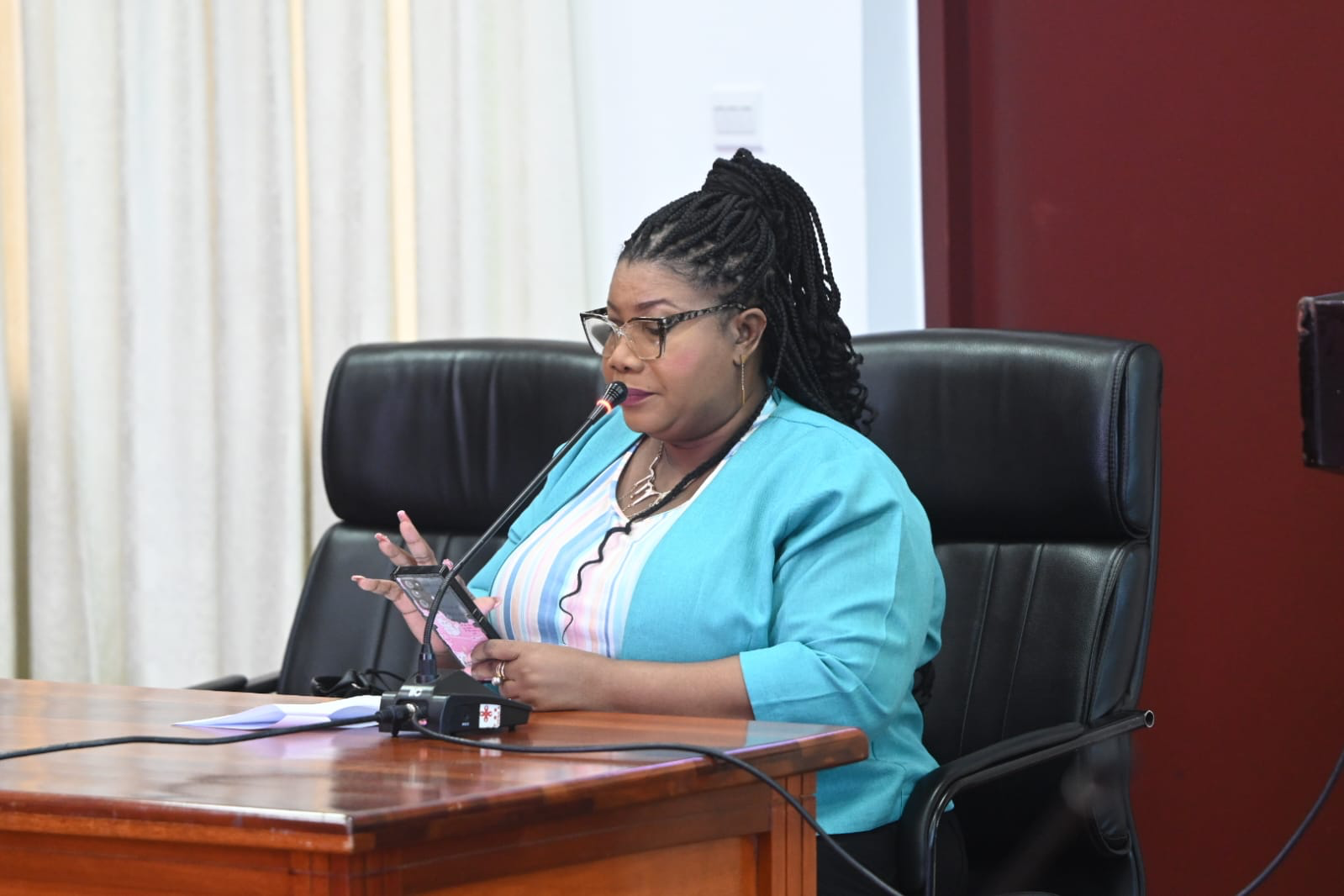
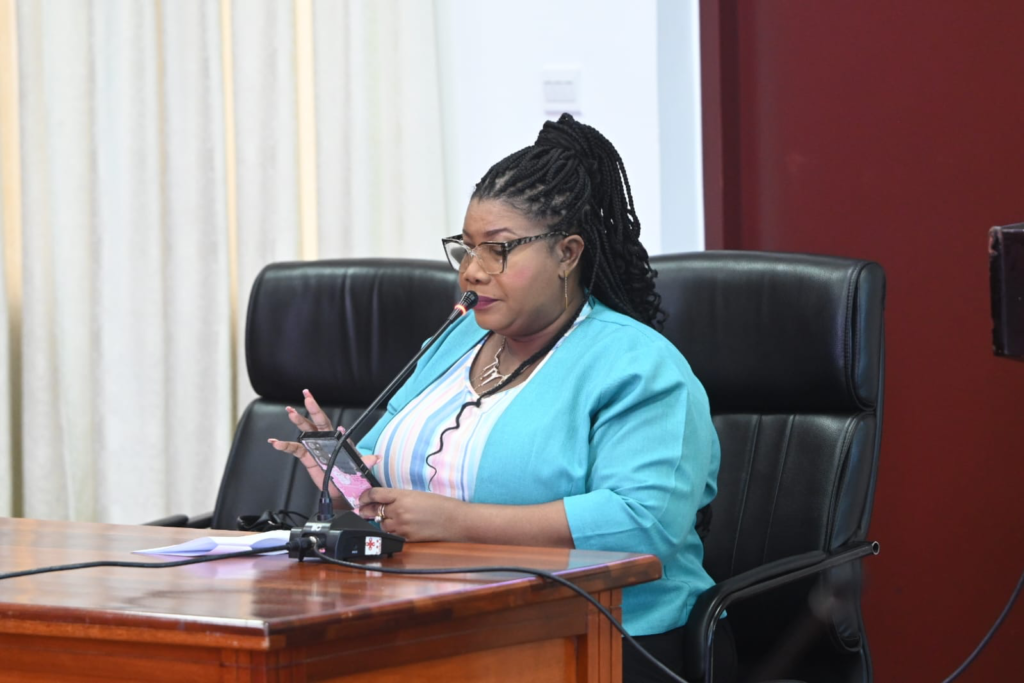
Assistant Traffic Superintendent with the Transport and Harbours Department (TH&D), Michelle Reid, has told the Commission of Inquiry into the sinking of the MV Barima that while established procedures were in place to regulate passenger boarding and cargo loading, their effectiveness depended on proper enforcement by employees.
Reid, who previously served as Goods Superintendent for approximately 15 years, explained that a vessel’s load line was an important guide in determining its loading capacity. However, she acknowledged that she did not specifically check the MV Barima’s load line on July 18, noting that it was not visible because of the low tide.
She testified that upon arriving at the wharf, she observed several vehicles positioned on top of the vessel’s hatch but could not confirm whether they had been properly secured.
Reid also recalled questioning Captain Price about bags of fertilizer positioned on the upper deck. According to her, the captain explained that additional weight was needed at the rear of the vessel.
She subsequently instructed a superintendent to monitor loading operations but acknowledged that she took no further action, assuming that the captain and personnel responsible for loading were properly managing the operation.
Reid also highlighted the pressure employees sometimes faced from customers seeking to have additional cargo transported, including offers of money and appeals involving family emergencies.
She stressed that employees were required to resist such pressure. Her testimony on these practices related to her general experience within the department and was not an allegation that money was accepted to load additional cargo on July 18.
Meanwhile, Reid outlined improvements to the department’s passenger ticketing system, including identification checks, photographs and the scanning of identification cards into a database to strengthen accountability and security.
She further testified that during her inspection on the afternoon of July 18, she was able to move freely through the sections of the vessel she visited. However, she acknowledged that she did not inspect every section and could not determine whether other areas were overcrowded.
Reid maintained that the department had established procedures governing cargo management, passenger boarding and security, but emphasised that these safeguards could only be effective if employees consistently followed and enforced them.
Emotional testimony
Reid broke down in tears while recalling the colleagues who lost their lives in the tragedy, describing many of them as family rather than simply co-workers.
She recalled their dedication and willingness to assist during late-night loading operations, particularly during periods of rainfall.
She also expressed sadness over a colleague whom she regarded as a younger brother and whose body has not yet been recovered.
Reid said the department continues to mourn the loss of its employees, adding that the workplace no longer feels the same.
She said the tragedy continues to weigh heavily on her and her colleagues, leaving them reflecting on the victims’ families and questioning whether anything could have been done differently or whether the disaster could have been anticipated.