admin
-by Celestine Chacon
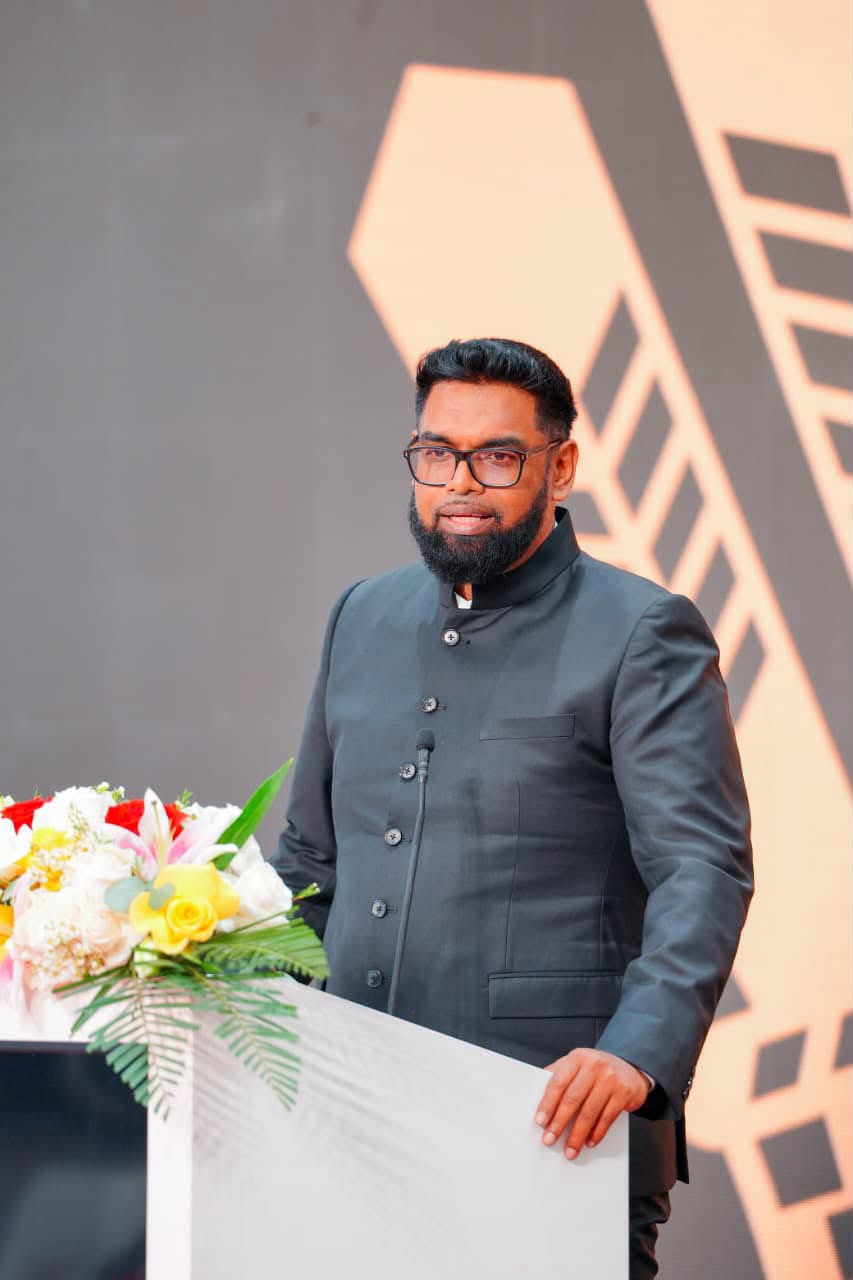
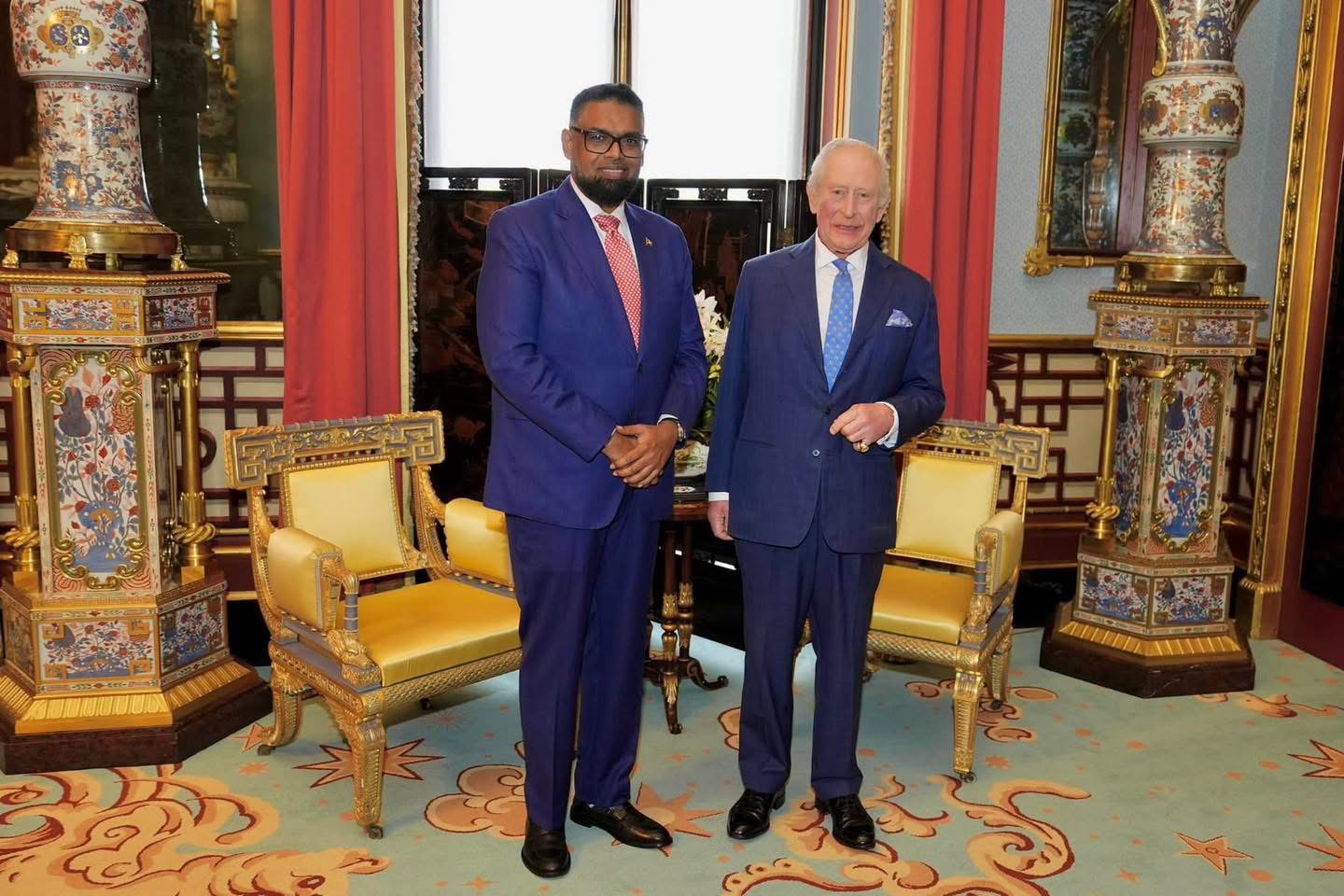
President Dr. Irfaan Ali says King Charles’ upcoming visit to Guyana will highlight the longstanding relationship between the two countries, particularly in environmental protection and climate change, while discussions on slavery reparations are expected to take place at the next Commonwealth Heads of Government Meeting.
In an interview with ITV News correspondent Robert Moore ahead of the royal visit, President Ali highlighted the King’s partnership with Guyana in rainforest conservation, climate action and international advocacy for the protection of tropical forests.
The Head of State said these longstanding ties, together with ongoing bilateral cooperation, remain central to the significance of the visit.
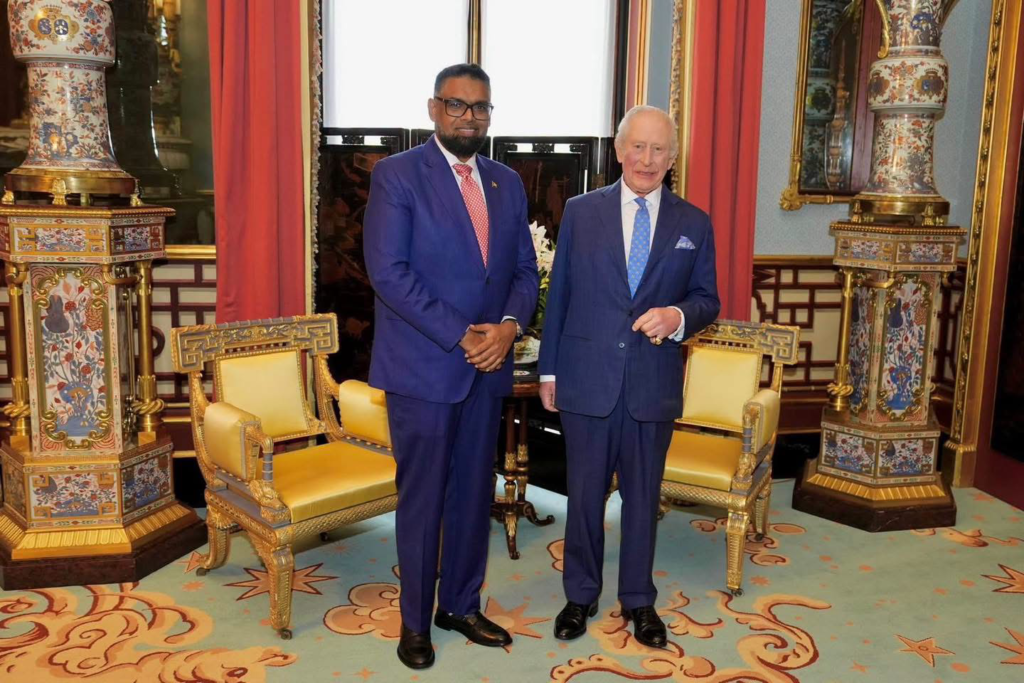
“The trip is defined by the King’s long-standing relationship with Guyana, his global activism for Guyana, his global leadership for Guyana, his partnership with Guyana, his strong voice in promoting Guyana in terms of our environment, in terms of what we’re doing in climate change, the protection of the forest, the evaluation of the forest, and so on,” he said.
Notwithstanding this visit, the head of state said Guyana would continue to pursue the issue of slavery reparation alongside other Caribbean nations, with the aim of securing meaningful discussions at the regional and international levels.
“As a country, we will continue to champion the issue of reparation because slavery was the worst indignity to humankind. And we are going to continue to work in the collective because we are part of the CARICOM region and we have agreed to work on this as a collective. And we are hoping that as a collective with CARICOM and the AU, the African Union, we can go to the Commonwealth and have a meaningful conversation on this matter,” he said.
President Ali argued that reparations should not be viewed solely in terms of financial compensation, maintaining that the suffering and injustices inflicted through slavery cannot be adequately measured in monetary terms.
Instead, he is advocating a development-focused approach that recognises the inequalities and economic disadvantages inherited by countries affected by slavery and colonial exploitation.
The President said possible measures could include debt relief, concessional financing and increased investment in education, healthcare, mental health services, and climate adaptation and mitigation.