admin
admin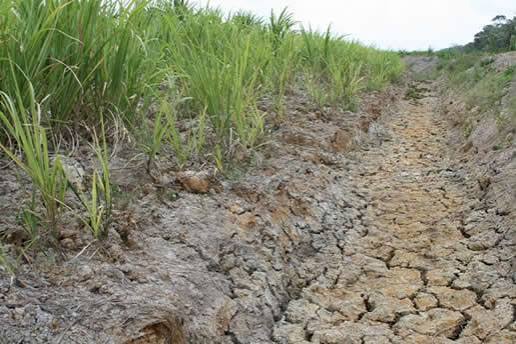
–Over the next few months
-by NaAsia Bristol
Guyana’s agriculture sector could face increased pressure from El Niño conditions, with lower rainfall and higher temperatures expected to affect farming conditions.
A climate assessment is warning of increased irrigation needs and heat stress for crops and livestock.
Farmers could be facing a tougher few months as El Niño brings the possibility of longer dry spells and higher temperatures.
The combination could dry out soils faster and increase the amount of water needed to maintain crops.
“When you combine rainfall deficits with higher temperatures you get increased evaporative demand now this dries soils faster when we’re looking for we’re looking at the agricultural sector it dries soils faster increasing irrigation and water needs for agriculture and posing direct heat stress risk to crops livestock and of course people,” Agro Meteorologist, Curtela Lewis said.
The assessment is looking at the risks across several areas of agriculture, including rice, sugar, livestock, vegetables and root crops.
Farmers are being encouraged to pay close attention to water availability, irrigation needs and planting schedules as conditions develop.
“For our rice sector the assessment involves overlaying the climate forecast with the crop calendar. We look at the risk of dry spells during critical growth periods and the state of our conservancy water levels. We then use this to predict potential impacts and calibrate our models using historical El Nino seasons. Now this allows us to provide targeted advice on irrigation planning and water conservation,” he said.
With El Niño expected to persist into early 2027, continued monitoring will be important to help farmers prepare for possible dry conditions.