admin
admin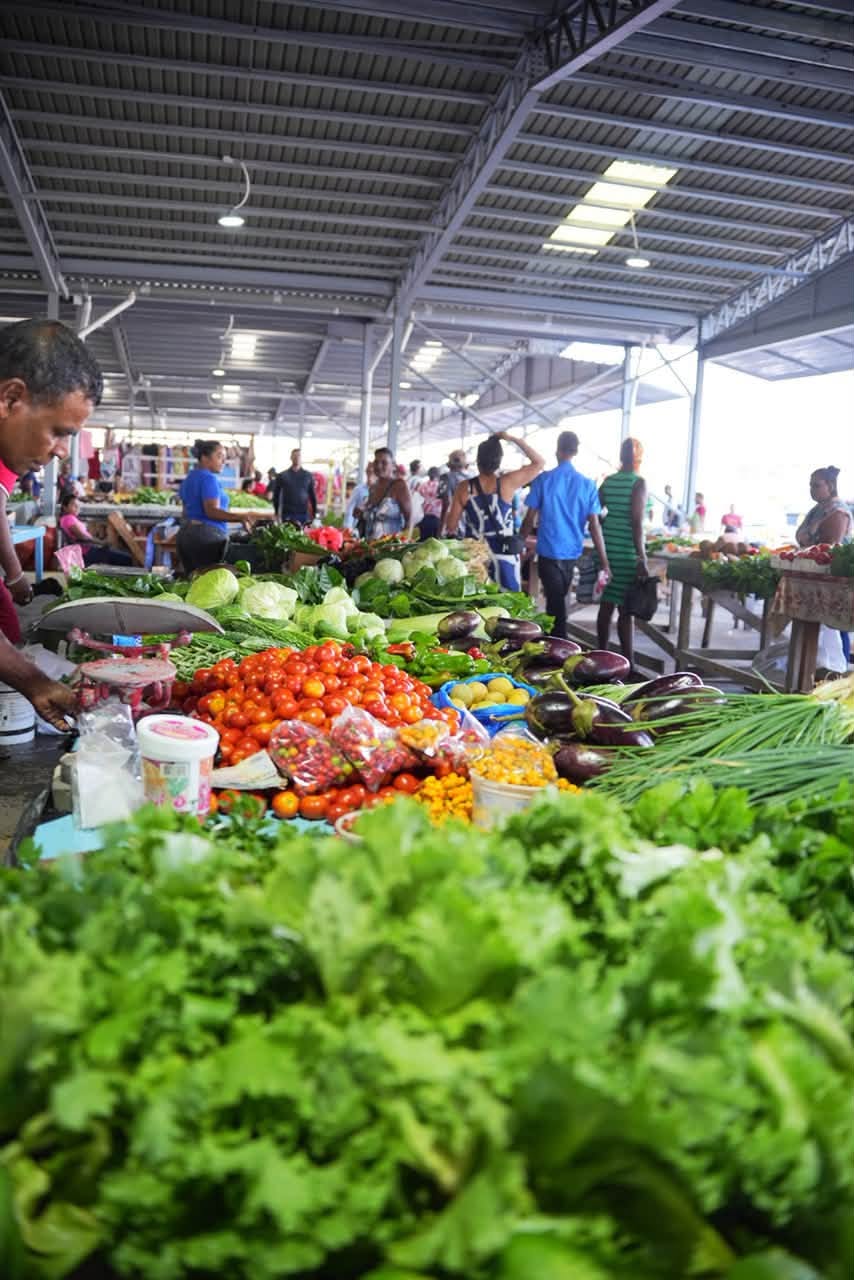
-by cutting production and market costs
President Irfaan Ali says Government is taking a broader approach to tackling the cost of living, by reducing the cost of producing food and getting farmers closer to consumers.
He pointed to measures including the removal of taxes and fees on agricultural inputs, investment in drainage and irrigation and plans for farmers’ markets nationwide.
President Ali says global shocks since 2020 have pushed up food prices and generally, the cost of living, with higher fuel and fertilizer prices adding to the pressure on farmers and consumers.
He says Government has been trying to absorb some of those costs while maintaining agricultural production.
“We have been one of the leading nations in adopting innovative measures to tame this rapid global increases, whilst at the same time maintain and sustain productivity and increase it at the same time. What we did, we reversed the 220% increase in drainage and irrigation fees, and a 600 per cent increase in land rental fees. We reversed that so that we can help farmers to be more productive. We can remove this cash burden on farmers,” he noted.
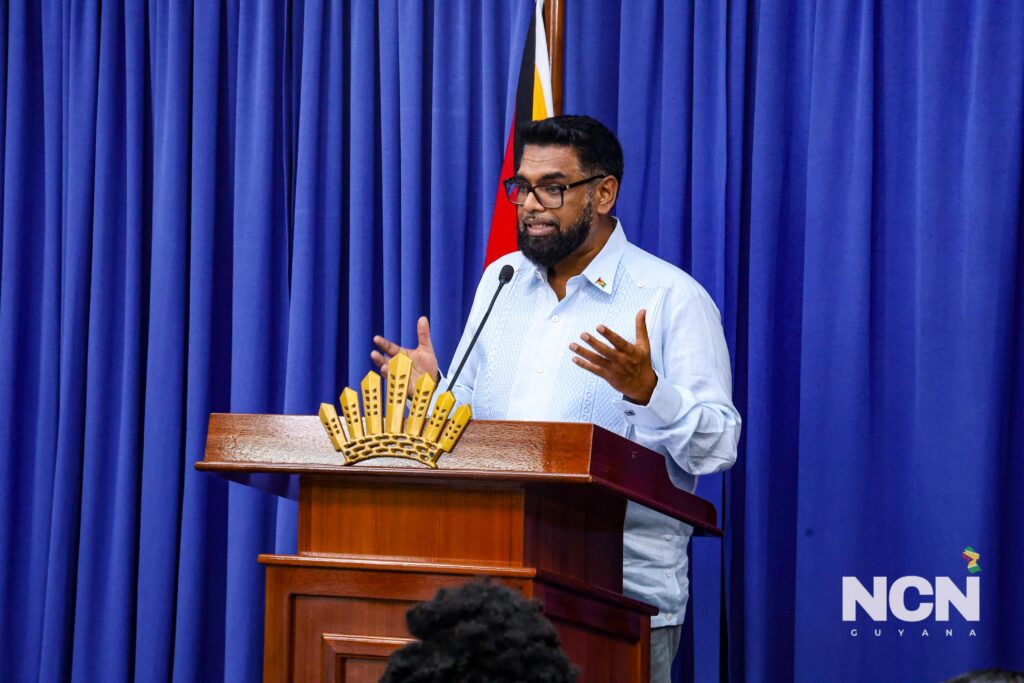
The government has reversed increases in drainage and irrigation fees and land rental fees, among other measures. Ali says these measures save farmers about one-point-four billion dollars each year.
Government also removed VAT on several agricultural inputs and restored zero-rated VAT on basic food items, including flour, bread and cooking oil. Focus is also being placed on reducing the cost of getting food from the farm to the consumer.
“We had chicken prices slashed by half almost in all of the markets. Eggs also slashed substantially. We are now working with farmers to bring their produce directly to the market so we can have that the elasticity in terms of the differential between the wholesale and retail price address in a structured way,” he explained.
The President says bringing farmers directly into the market is intended to narrow the gap between wholesale and retail prices, while longer-term investments are being pursued to reduce production costs and improve efficiency.