admin
admin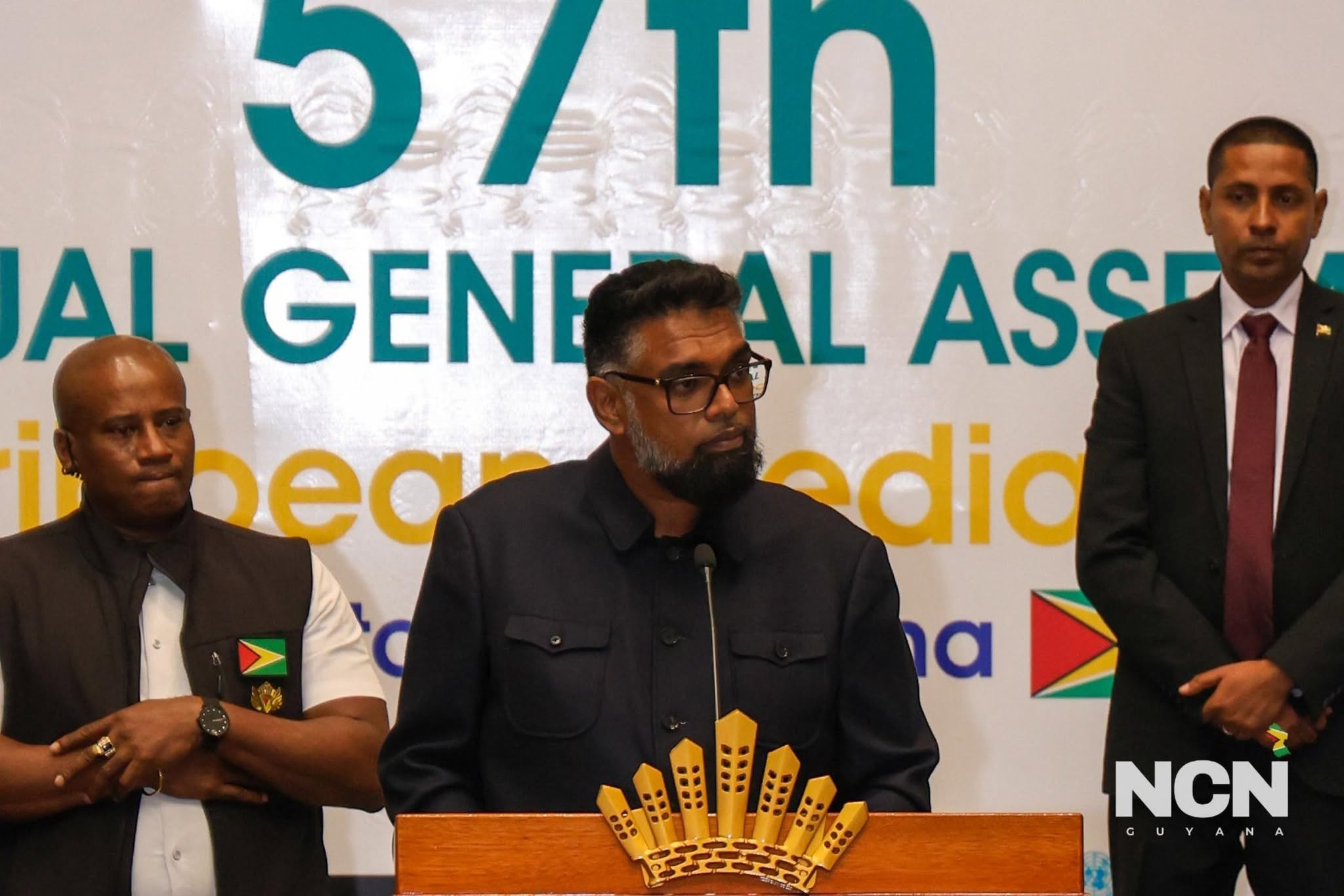
-by NaAsia Bristol
President Dr. Irfaan Ali is urging Caribbean media houses to embrace artificial intelligence but warns that technology must never replace the journalist.
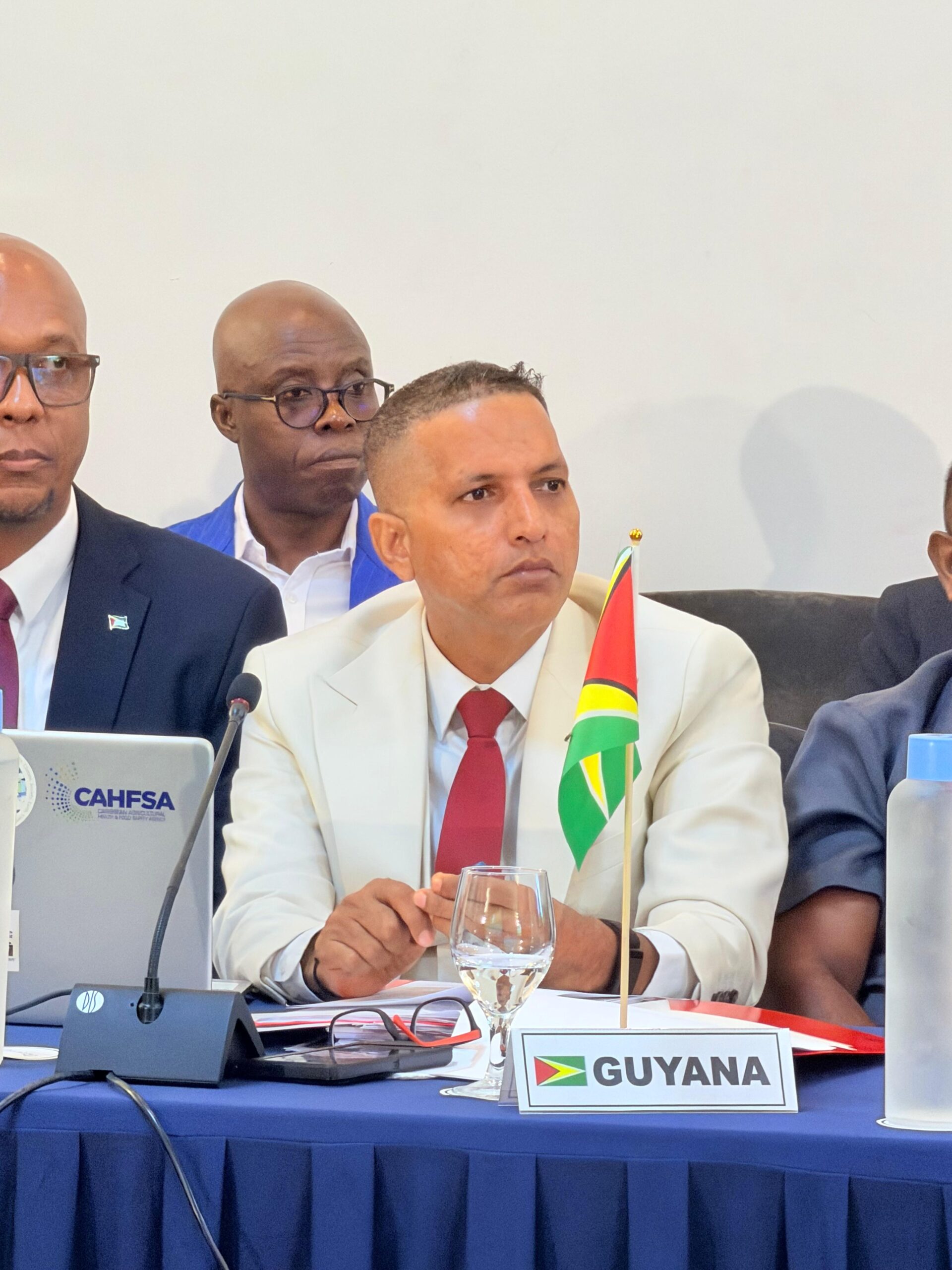
His message came as the Caribbean Broadcasting Union opened its 57th Annual General Assembly in Georgetown, amid growing concerns about AI, misinformation, changing audiences and the financial survival of traditional media.
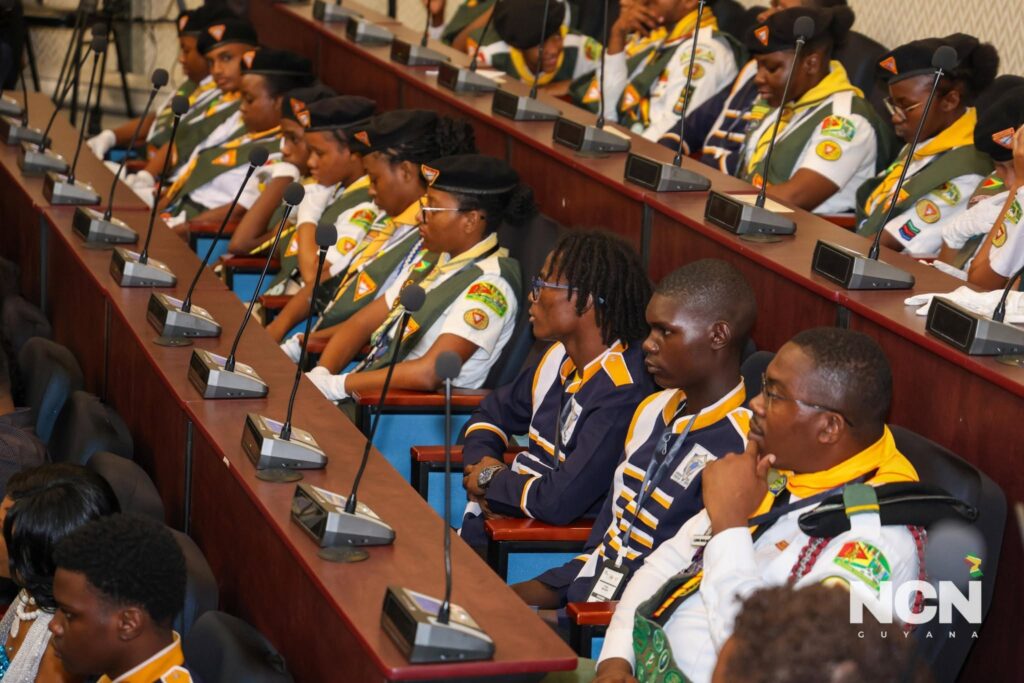
The three-day meeting is being held under the theme “Caribbean Media and AI,” with discussions centred on how the industry can adapt to rapidly changing technology without sacrificing credible journalism.
Delivering the feature address, President Dr. Irfaan Ali said artificial intelligence can make newsrooms more efficient, particularly in a region where many media organisations operate with limited resources. But he warned that editorial judgment and responsibility must remain firmly in human hands.
“Use AI, certainly. Use it to transcribe interviews. Use it to search enormous databases. Use it to analyze data. Use it to translate. Use it to identify patterns. Use it to help newsrooms that are under-resourced. But never allow the technology to become the journalist. Because the moment we surrender editorial judgment to the machine, we risk surrendering something more important than efficiency. We risk surrendering responsibility. And responsibility is at the heart of broadcasting,” he stressed.
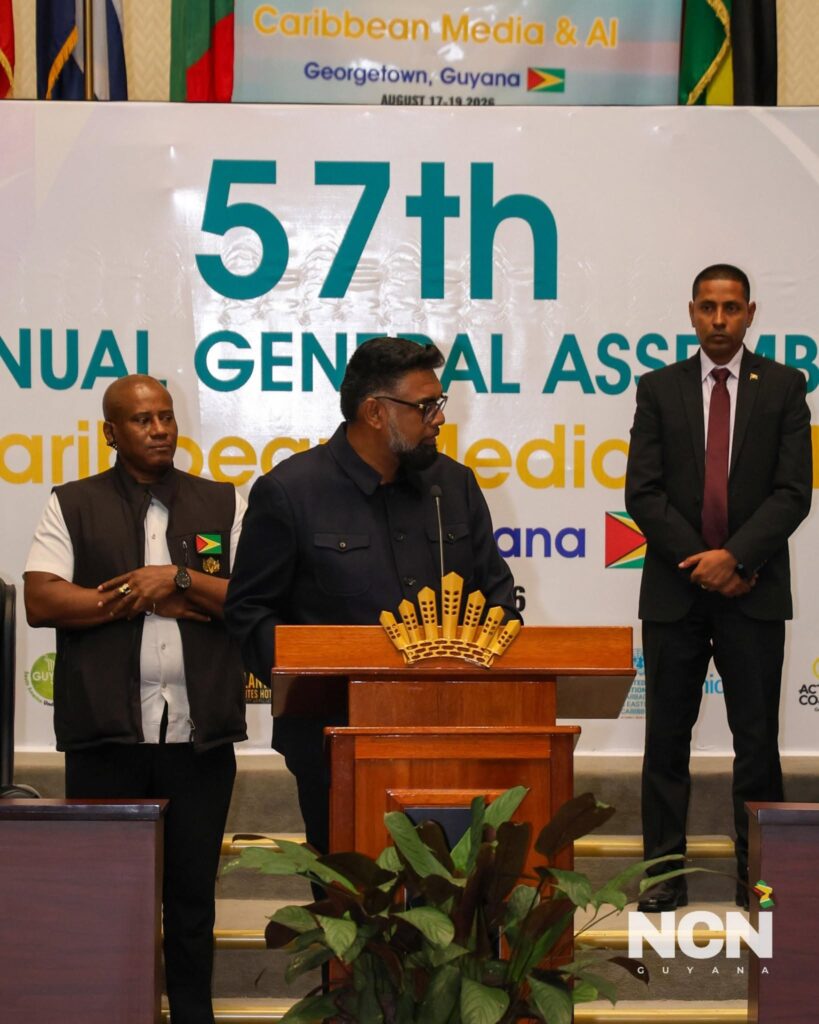
President Ali said the technological shift comes as Caribbean media also grapples with misinformation, changing audience habits and advertising revenue increasingly moving to global digital platforms.
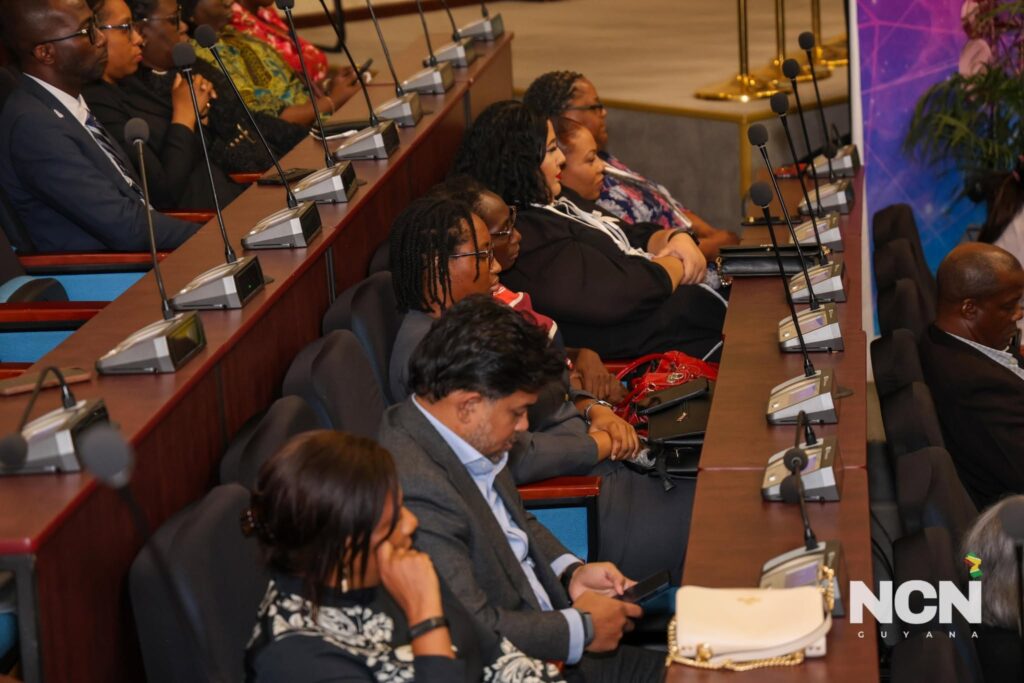
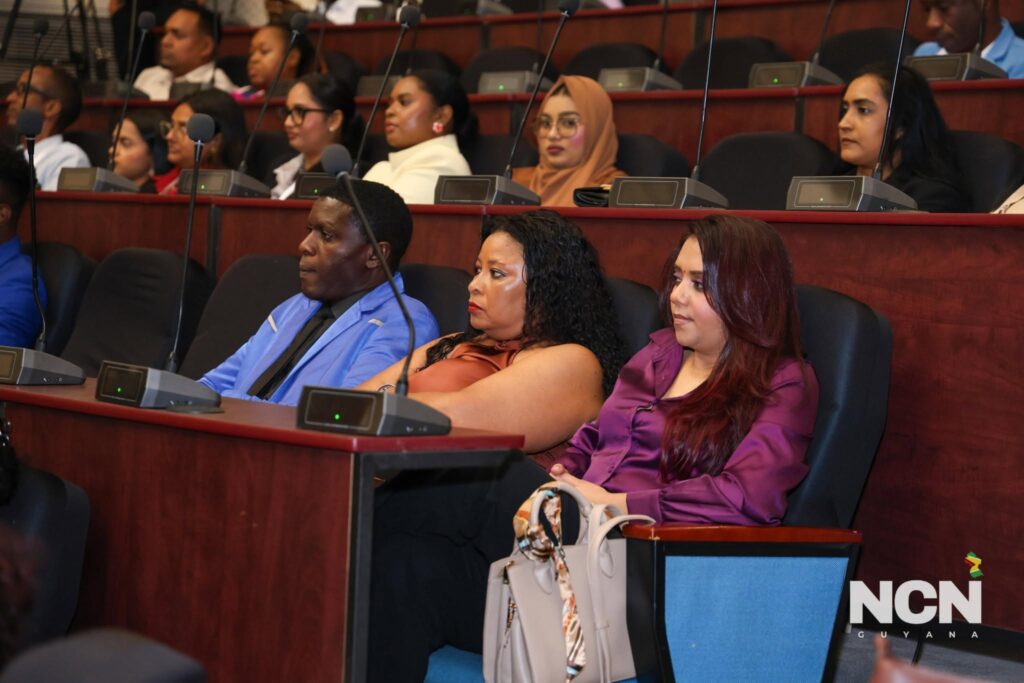
He urged regional broadcasters to rethink their revenue models and use digital platforms to carry Caribbean stories to audiences beyond the region.
Meanwhile, CBU President Anthony Greene said the financial pressures facing the industry are already having serious consequences, pointing to the closure of several established media operations over the past year.
“These organisations did not all operate in the same way, and their closures cannot be reduced to a single cause, but taken together, they are a sobering signal. Behind every closed newsroom or discontinued service are lost jobs, diminished institutional memory, fewer opportunities for young professionals, and one less independent Caribbean voice in the public square,” he added.
Greene said the future of Caribbean broadcasting will depend on developing sustainable business models while protecting trusted and independent journalism.
As artificial intelligence transforms the global media landscape, the message from Georgetown is clear: Caribbean media must innovate to survive- but its credibility, editorial responsibility and distinctive regional voice must remain at the centre of that transformation.