admin
admin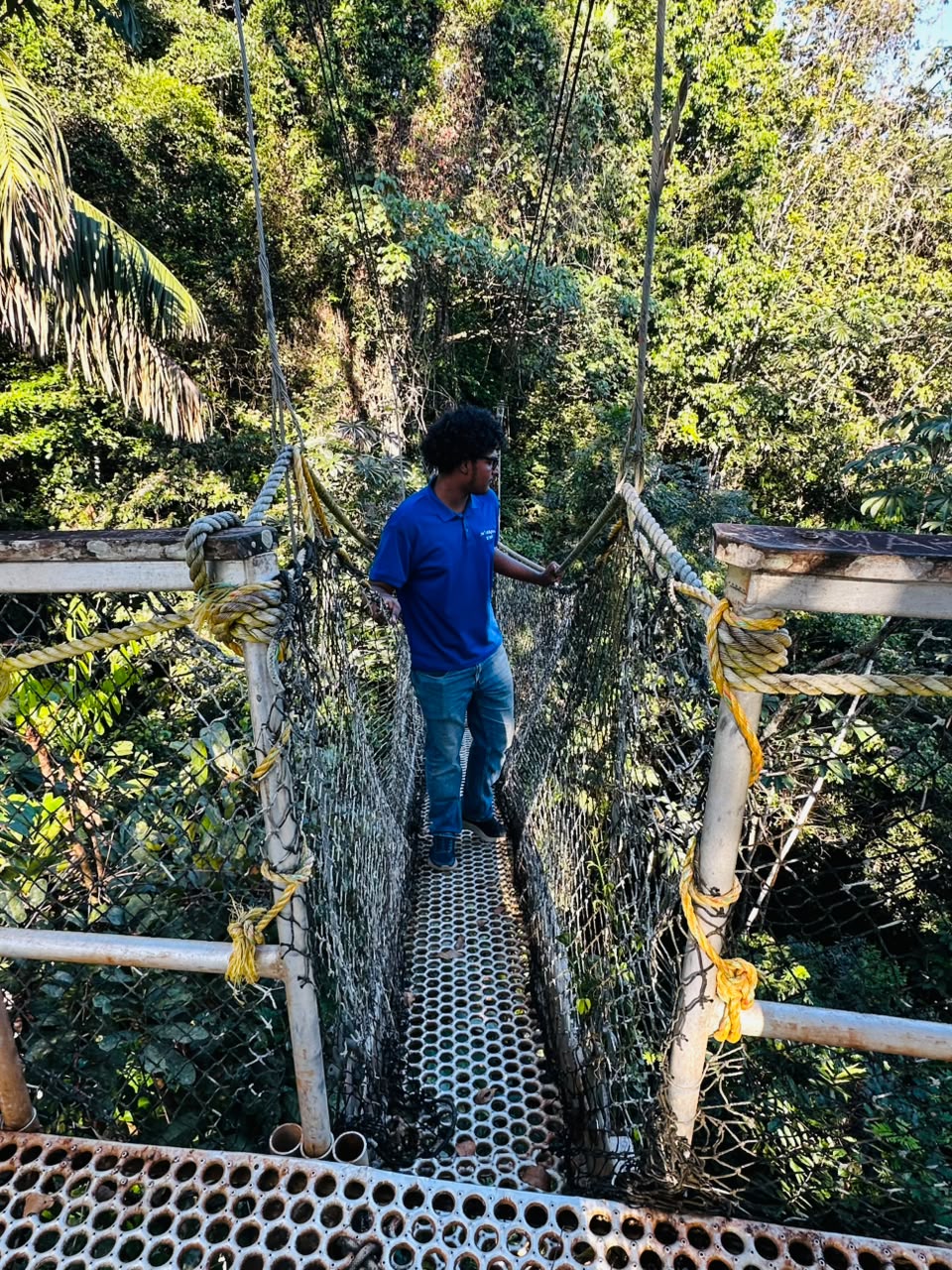
-through Iwokrama internship
For 21-year-old University of Guyana Geography student Rahul Changa, a two-week internship at the Iwokrama International Centre for Rainforest Conservation and Development offered more than practical experience in environmental monitoring.
It gave him an opportunity to see how scientific research, Indigenous knowledge and community experiences can come together to shape Guyana’s approach to climate resilience and environmental conservation.
Changa entered the internship with an academic interest in climate change that had already taken him into communities along Guyana’s coast.
His final-year dissertation focused on community perceptions of climate change, vulnerability and adaptation strategies in Anna Regina on the Essequibo Coast.
At Iwokrama, however, his perspective expanded from the challenges facing one coastal community to the importance of forests, rivers, biodiversity, and the knowledge held by communities that have depended on these ecosystems for generations.
“It reinforced the idea that scientific knowledge is only one form of knowledge, and that traditional ecological knowledge is equally valuable in understanding climate resilience, food security, and sustainable resource management,” he told the National Communications Network (NCN).
The experience has strengthened Changa’s conviction that these different forms of knowledge must be brought together if Guyana is to develop effective responses to climate change.
“Meaningful climate action depends on bringing together science, Indigenous knowledge, and the lived experiences of communities,” he said.
During his placement, Changa worked alongside conservation professionals and Indigenous communities, gaining exposure to several areas of Iwokrama’s work.
Under the supervision of Rebecca Xavier, he assisted with the Youth in Natural Resources Programme, conducted upstream and downstream water quality testing along the Essequibo River and participated in traffic monitoring at the Kurupukari Crossing.
He also took part in specialised forestry and diatom workshops and supported river and road monitoring, as well as wildlife monitoring, with particular attention to avian species.
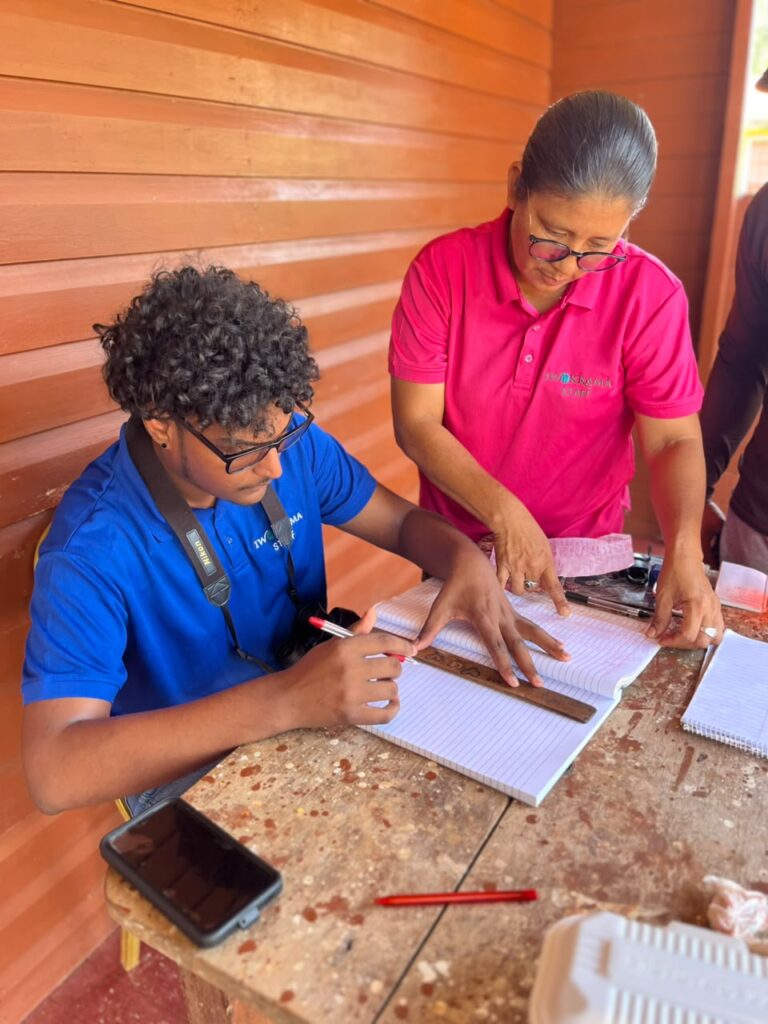
That exposure also helped him better understand the role that Indigenous and forest communities can play in wider climate and development discussions. This includes those reflected in Guyana’s Low Carbon Development Strategy 2030.
Having a broader understanding of community and Indigenous perspectives also gave greater context to Changa’s own research, particularly the findings emerging from his work in Anna Regina.
He chose the area partly because he believed smaller and mid-sized coastal communities deserve greater attention in climate research and planning.
“If we want the top-down approaches that we take to combat climate change to be effective and successful, we need data for mid-sized coastal communities, small coastal communities, and, in general, communities that aren’t as large as the ones in Georgetown or other places that get attention,” he said.
His research found that residents were generally aware that climate change exists and were already adapting to its effects, although many lacked a scientific understanding of the climatic processes driving those changes.
One example was agriculture. Some residents have begun investing in shade houses to protect crops from increasing heat and unpredictable weather.
For Changa, documenting these experiences is also a way of contributing to the development of his home region.
“It means that I am [giving back] to the place that raised me and made me who I am,” he said. “It really feels like something I am obligated to do to give back to my region.”
His dissertation was also strengthened by guidance from Dr. Raquel Thomas, Resource Management and Training Director at Iwokrama. Changa had known Thomas prior to the internship, and her familiarity with his academic work helped him develop a methodological approach that connected his questionnaire with government adaptation priorities.
Rahul intends to submit his findings to the LCDS 2030 team, with the hope that the information gathered in Anna Regina can contribute to broader climate planning.
His time at Iwokrama subsequently gave him an opportunity to put some of those ideas into practice and to understand environmental management from the perspective of an institution working directly on conservation.
The people he encountered there left an equally lasting impression.
Changa said the commitment of Iwokrama’s staff changed the way he thinks about professional life. He was struck by their work ethic and their genuine passion for protecting Guyana’s biodiversity.
“Their dedication to conservation went far beyond financial compensation; they were there because they truly believed in protecting Guyana’s biodiversity,” he said. “It reminded me that meaningful work is driven by purpose as much as profession.”
The internship also brought him into contact with staff from the Office of the President’s Office of Climate Change who were visiting Iwokrama. Their conversations encouraged him to think more seriously about how his academic work could connect to national climate priorities.
As he prepares to complete his Geography degree, those lessons are shaping the kind of role he hopes to play in Guyana’s climate action efforts.
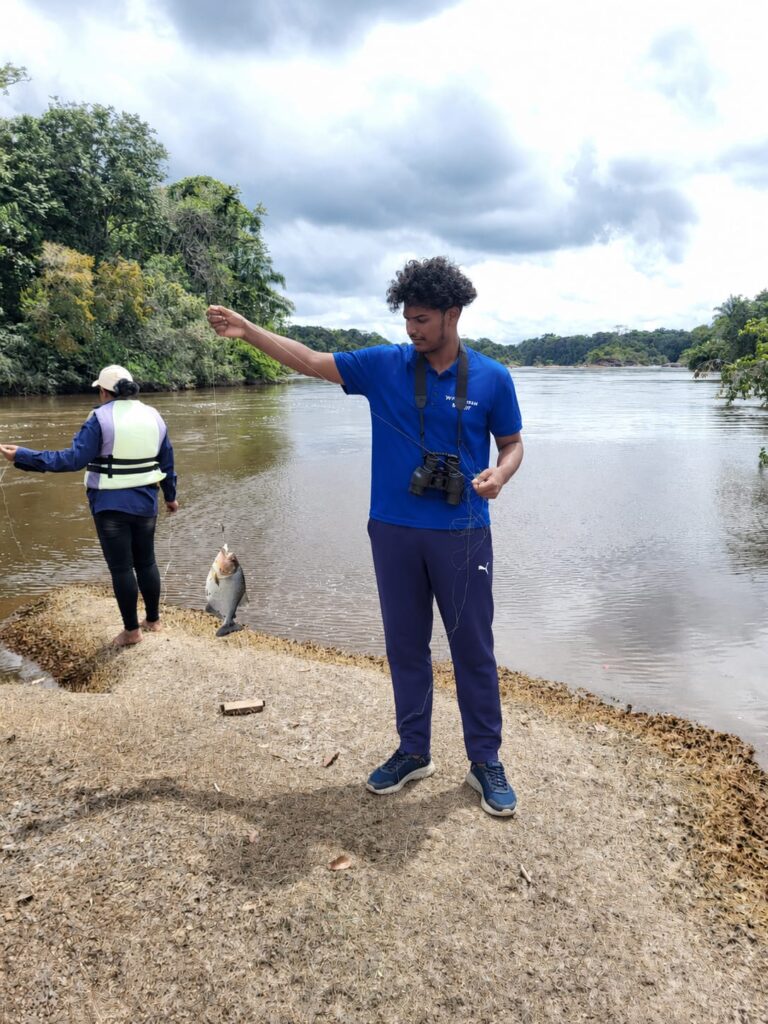
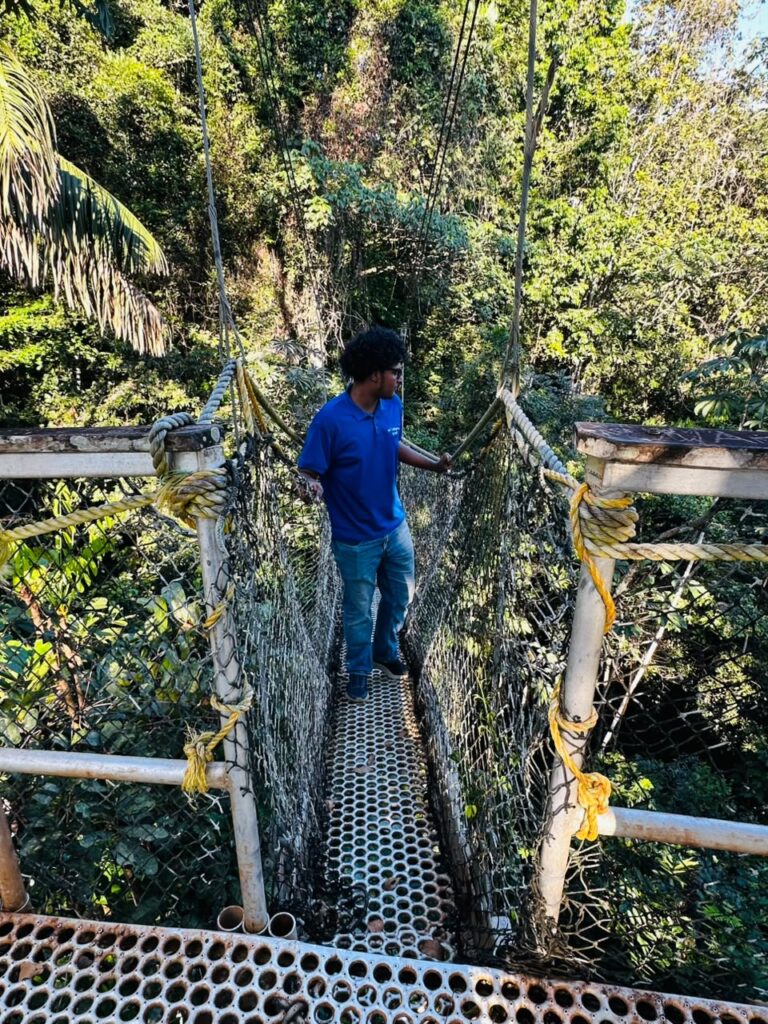
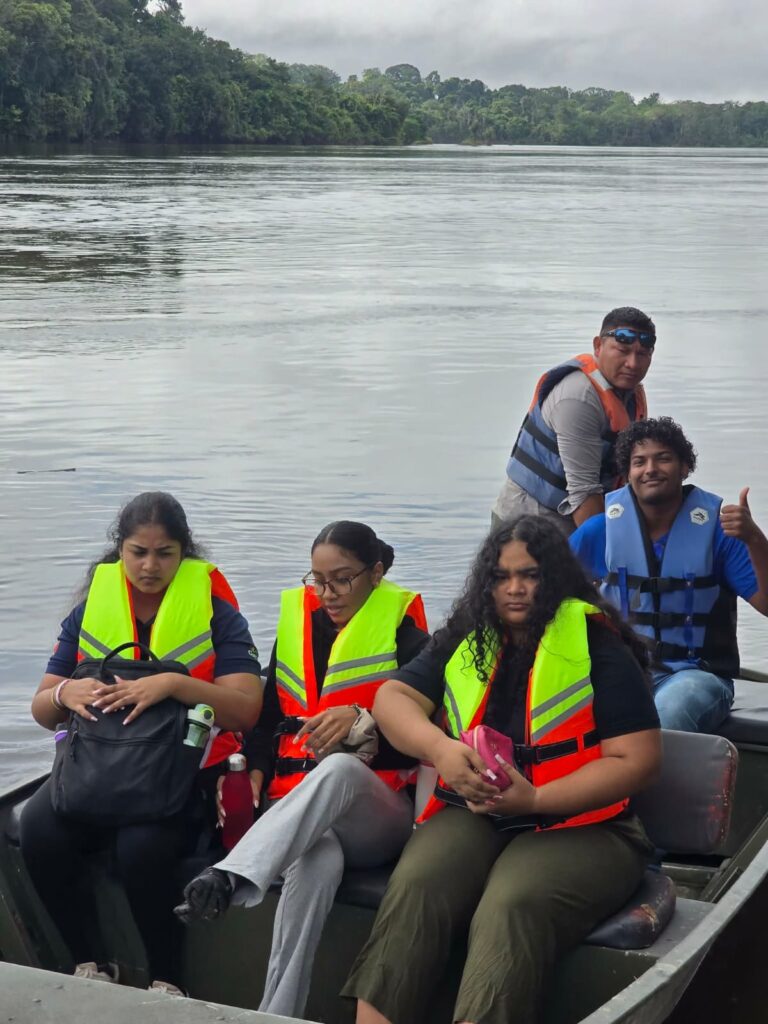
“Iwokrama really helped me understand that climate and environmental work cannot happen in isolation,” he said. “It has to involve the people, the science and the knowledge that already exists within our communities,” he said.
And for a young geographer who began his research by asking how one coastal community was adapting, the answer is now pointing toward a much bigger question: how can those community experiences help shape Guyana’s climate future?