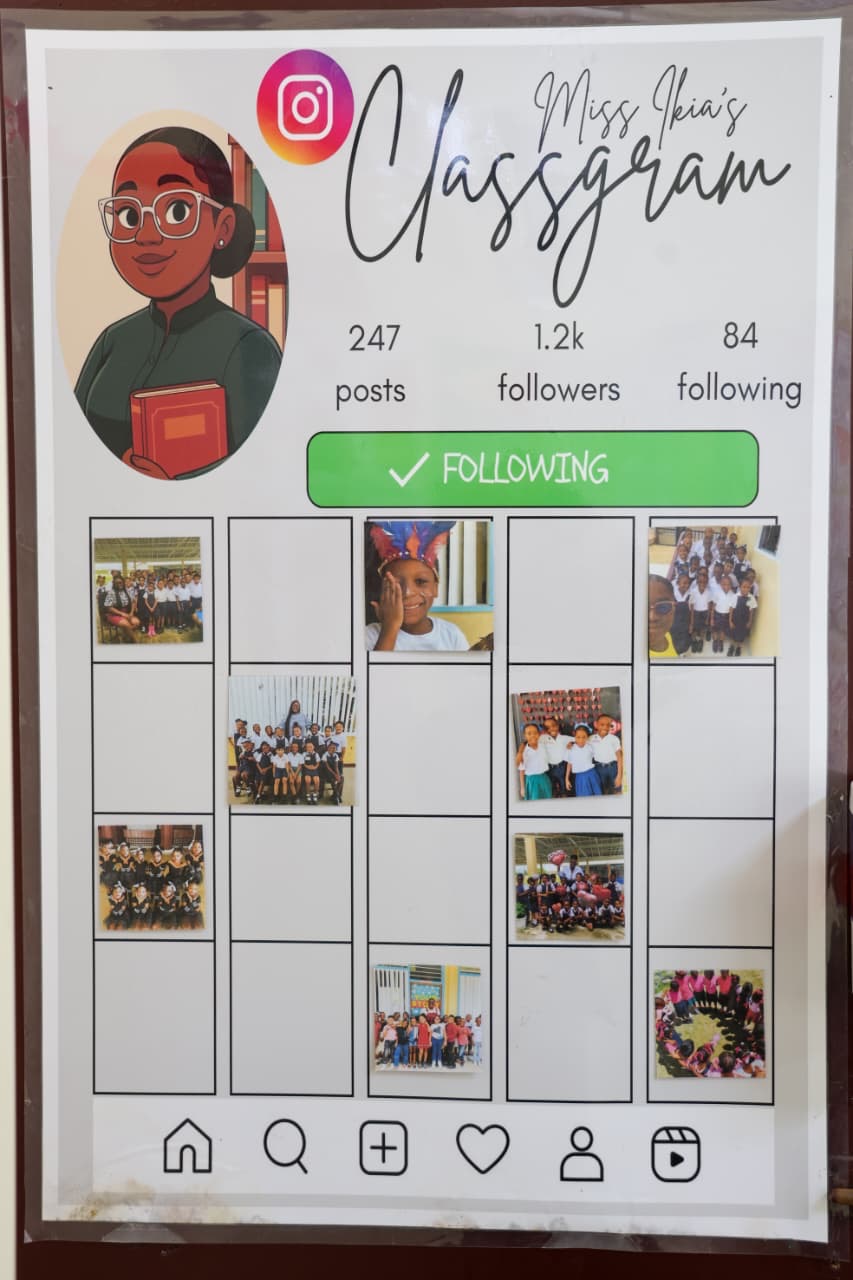
At Stella Maris Primary School, 25-year-old teacher Ikia has become accustomed to students approaching her with one request: “Miss, can you include me in the next video?”
Her creative videos, which tap into social media trends to highlight school activities and awareness observances, have quickly caught the attention of students and parents.
Behind the fun, however, Ikia uses them as another opportunity to get children interested in learning and involved in school life.
“I realised that when I had started doing that and it was getting out there, all the children would come to me and be like, ‘Miss, can you include me in the next video?’” she recalled.
The interest prompted her to begin selecting students from across the school rather than relying on the same faces.
But appearing in one of her videos comes with a little homework.
When the school observes an event or awareness day, Ikia wants the children involved to have some understanding of its significance. Ahead of a suicide prevention awareness activity, for example, she gave her younger students an assignment to help them learn about the observance.
“It’s not just about being a part of the video. You got to tell me something that you learned,” she tells them.
She explained that her students may initially notice something as simple as everyone wearing a particular colour to observe an occasion, so she uses the opportunity to encourage them to find out why.
“When they see the videos, they know that there’s some sort of meaning behind it,” she said.
Ikia has a TikTok account, although it remains private, and she posts some of her school-related content there. Her Facebook videos, however, have generated more interaction, with some becoming widely shared among her audience.
That approach has also attracted support from parents, who Ikia said are often eager to see their children participate.
One response in particular has stayed with her.
Two students with autism were included in the school’s suicide prevention awareness video. After seeing her son participating alongside the other children, one mother became emotional.
“The mother, one of the parents, actually came and she was crying. She was so amazed that he was actually able to take part,” Ikia recalled.
Ikia is also careful about which children appear online, noting that she considers parents’ preferences and seeks to feature students whose parents are comfortable with their participation.
Her interest in teaching began years before social media became part of her classroom experience.
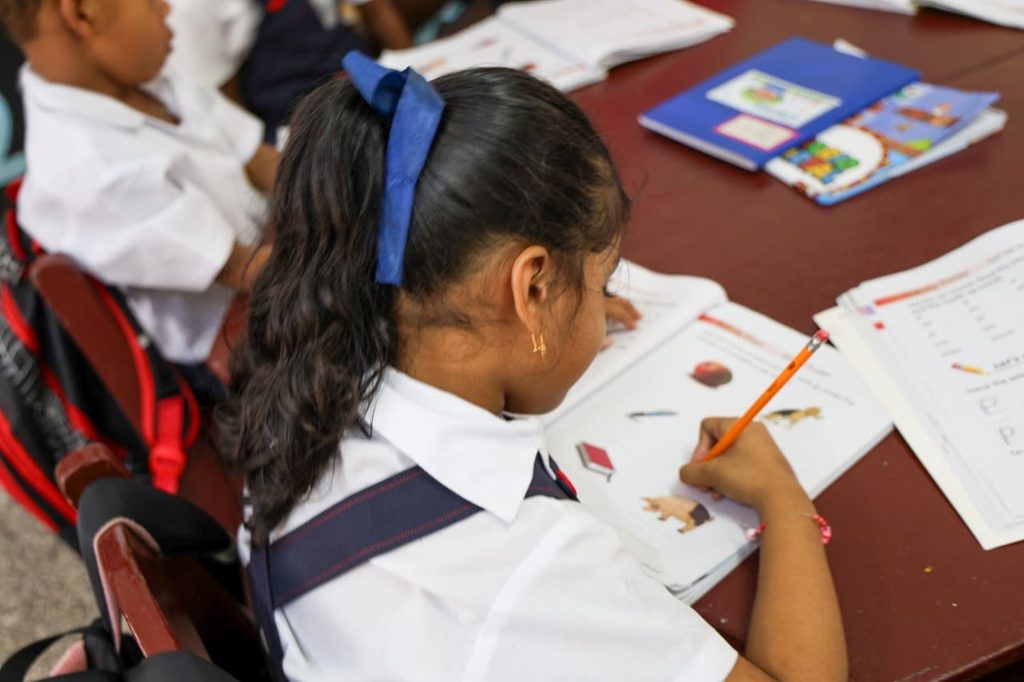
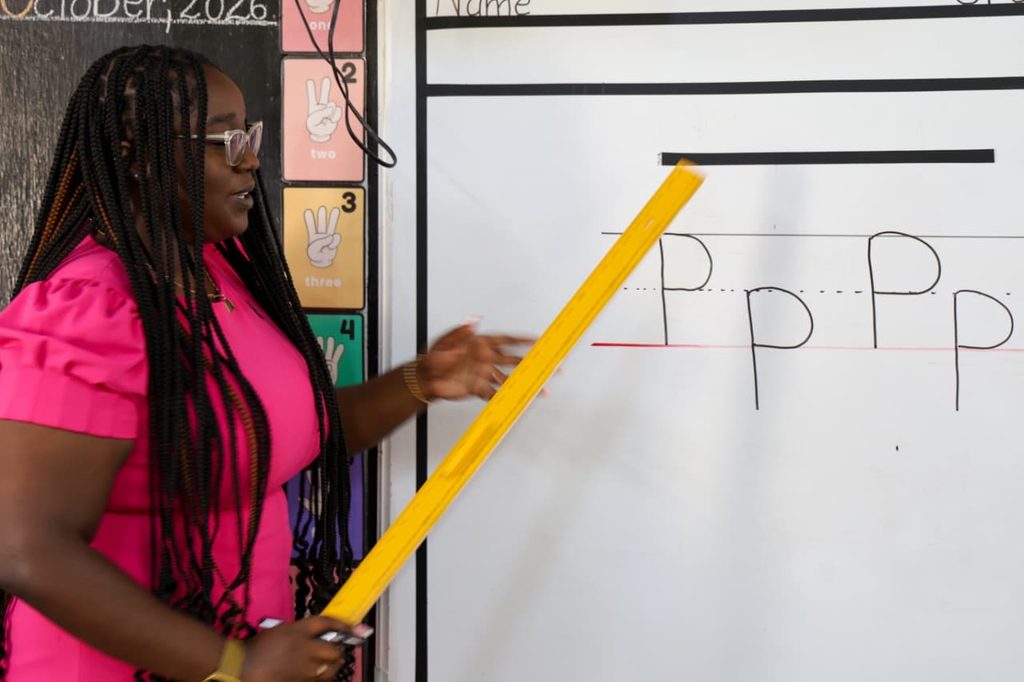
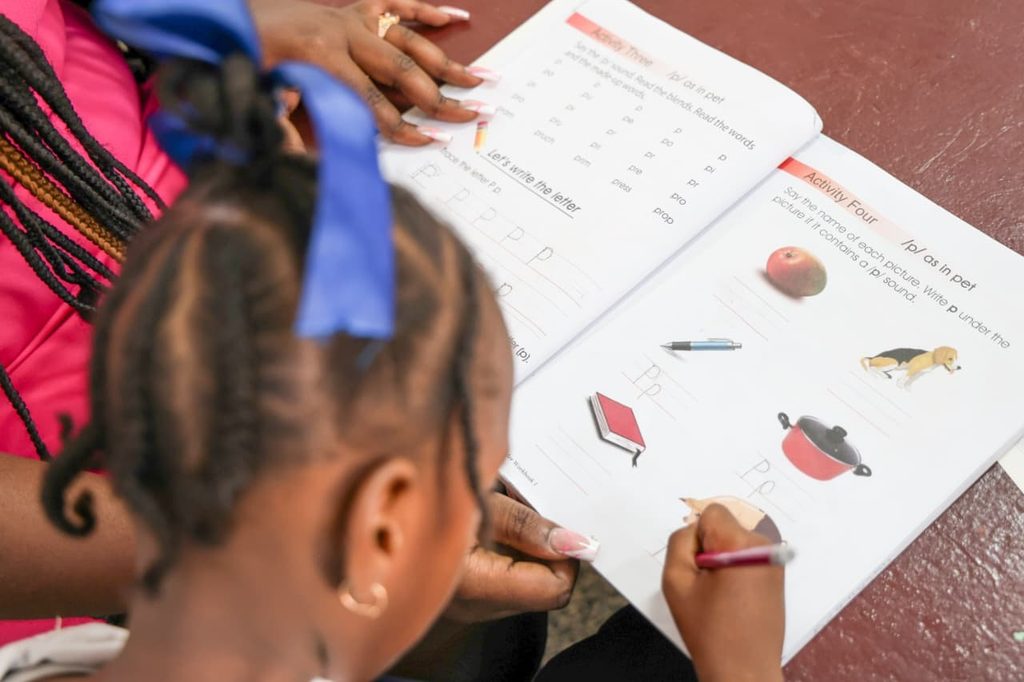
Part of the initial appeal, she joked, was “the idea of being the boss of a classroom,” but opportunities throughout her childhood helped turn that interest into a career.
She taught Sunday school and was entrusted with responsibilities while attending St. Joseph High School. After graduating, she wanted to enter teachers’ college but was too young at the time.
Instead, she became involved with an outreach organisation through her church, which took her to different parts of Guyana and gave her some of her earliest teaching experiences, including in hinterland communities. She later began teaching at her former school before entering college.
Today, she is in her sixth year at Stella Maris Primary School and teaches Grades One and Two.
For Ikia, one of the most satisfying parts of the job remains seeing a child grasp something they previously did not understand.
“That part of teaching — that I’m able to impart knowledge, teach someone content, something that they can understand — that is what I like about teaching,” she said.
The job, however, has its difficult days.
Asked about her biggest challenge, Ikia did not hesitate: “Parent cooperation. Mainly.”
She believes education works best when what is being taught at school is reinforced at home, and said teachers sometimes find themselves being expected to take on responsibilities that should be shared with parents.
There are also challenges with the wider education system, but Ikia has adopted a practical approach to those challenges.
“I realise that this is the system, and you have to make things work for you as a teacher,” she said. “Sitting down and complaining, it doesn’t really make too much sense. Yes, you want to see change, but if we sit and complain and do nothing about it, the children are affected.”
Her response, she said, is to keep finding ways to give her students what they need.
“At some point, we got to pick up ourselves and go above and beyond for them.”

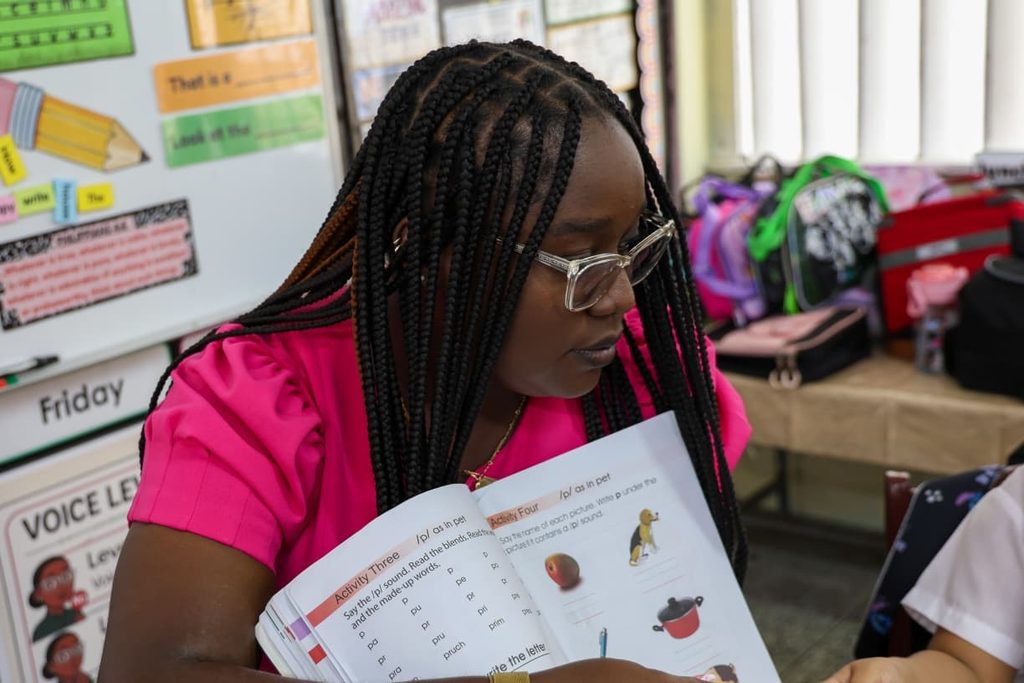
When those students eventually leave her classroom, Ikia hopes their memories of her will extend beyond worksheets, lessons and tests.
“I hope they remember that I was always fun, always entertaining, always loving, always inviting to every student,” she said. “They know that I am loving, I’m inviting, but I also have that side that is a no-nonsense person,” she said.
She wants that relationship to remain even after students graduate from primary school.
“They could come to me… I can always be there for them, no matter what the case is,” she said, adding that the same applies to children who have already moved on to secondary school.
At some point in her career, Ikia also hopes to return to where some of her earliest teaching experiences took place.
“I’ve always wanted to return to the hinterland regions to teach,” she said. “That has actually been on my mind for a very long time.”
For now, however, she remains at Stella Maris Primary, finding small ways to make school more than a place where children complete lessons and go home.
Sometimes that means turning a school activity into a video.
Sometimes it means making sure a child who might otherwise remain in the background gets a chance to participate.
And sometimes it is simply about being the teacher a former student remembers years later — not necessarily because they can recall every lesson, but because they remember how she made them feel.
For Ikia, that may be the real lesson.